The air we breathe isn't always as clean as it looks or smells. While viruses have dominated public health conversations in recent years, they're far from the only contaminants circulating in indoor air.
Research in climate science suggests that mold exposure is increasing as warming temperatures create wetter conditions and more frequent flooding—raising the concentration of mold spores in both outdoor and indoor environments. For people with mold allergies or concerns about black mold in their homes, that's a meaningful shift worth taking seriously.
A quality air purifier can help reduce airborne mold spores and their byproducts while you investigate and address the source. Here's what you need to know.
Where Does Black Mold Grow?
Mold spores are everywhere—in indoor and outdoor air alike. Most cause only mild reactions in sensitive individuals, though responses vary by person and level of exposure. Black mold, specifically Stachybotrys chartarum, is a species that warrants closer attention due to its potential to produce harmful byproducts under certain conditions.
Black mold requires specific conditions to grow: a wet, humid environment, relatively warm temperatures, and cellulose-rich material to feed on. These requirements mean it doesn't compete well with other molds and is rarely found in nature—but it does turn up in water-damaged buildings with regularity.
Is Black Mold Airborne?
Black mold is less commonly detected in indoor air samples than other mold types because it doesn't release spores as freely. However, it can become airborne when physically disturbed—particularly when wet. When it does release spores, it may also release mycotoxins and microbial volatile organic compounds (mVOCs).
Black Mold Mycotoxins
Reports of adverse health effects from black mold exposure vary widely—some people experience serious symptoms, while others report no reaction at all. That variability is largely tied to mycotoxins, the toxic compounds some fungi produce.
Not all black mold colonies produce dangerous mycotoxins, and not all mycotoxins carry equal risk. A portion of Stachybotrys chartarum colonies produce macrocyclic trichothecenes—compounds that, when inhaled, have been associated with cell death, inflammatory response, and serious neurotoxicity in research settings. Whether a specific colony is releasing these compounds can only be confirmed through laboratory testing.
How to Reduce Airborne Mold
Whether you've confirmed black mold, spotted visible growth, or simply suspect a problem, protecting your household air quality is a reasonable priority. A few key steps:
Address the source first
Black mold can't sustain growth without excess moisture. Finding and fixing the water source—replacing seals, repairing leaks, improving ventilation—is the essential first step. Follow EPA protocol before beginning any remediation to avoid inadvertently spreading spores.
Remove affected materials
After locating and removing visible growth, any materials the mold has touched should also be removed. A dehumidifier can help keep moisture-prone spaces like basements and bathrooms dry going forward.
Run an air purifier throughout the process
Mold spores, particles, and mycotoxins are most likely to enter the air when a colony is disturbed. Running an air purifier during investigation and remediation, and afterward, helps reduce what's circulating in the air at each stage.
What Makes an Air Purifier Effective Against Black Mold
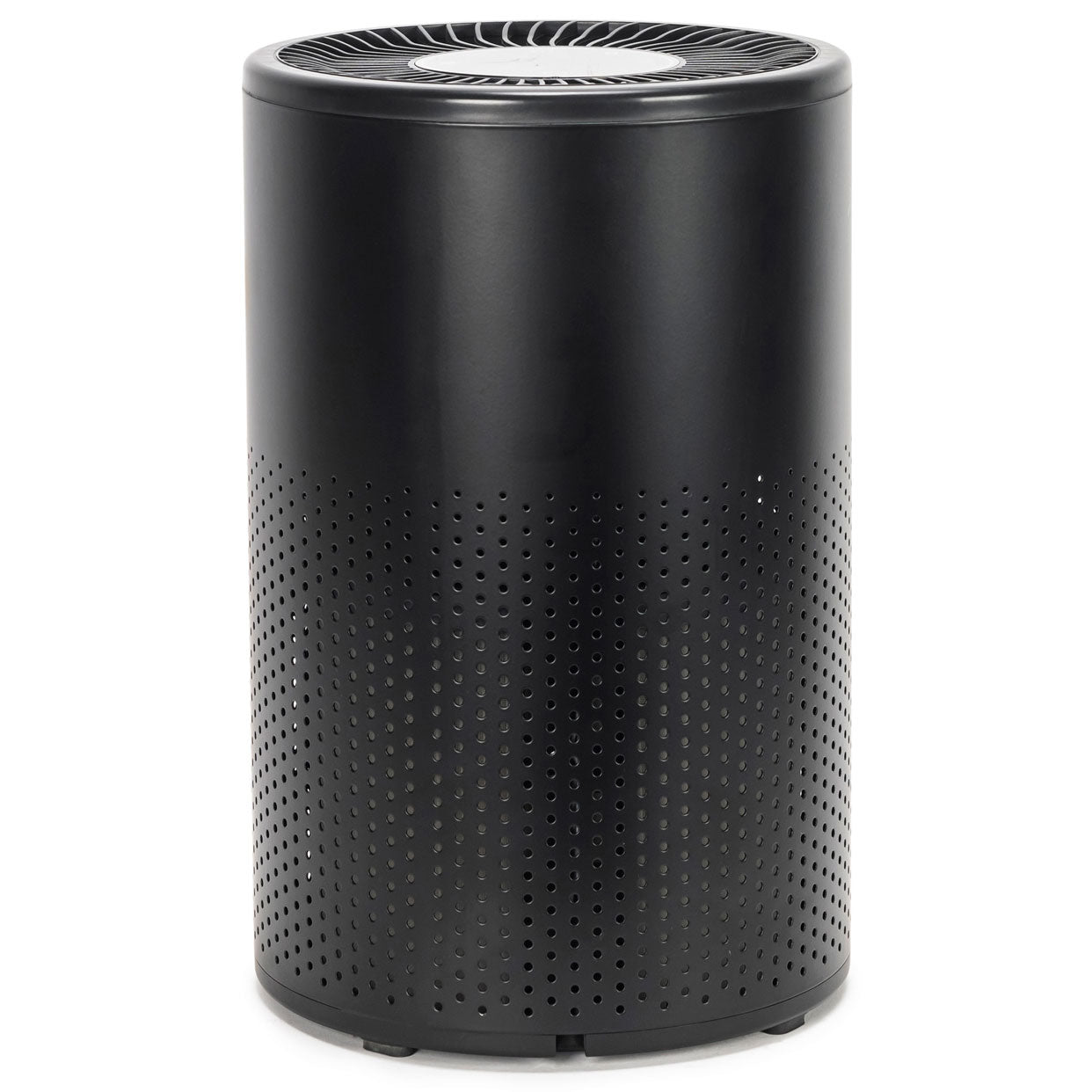
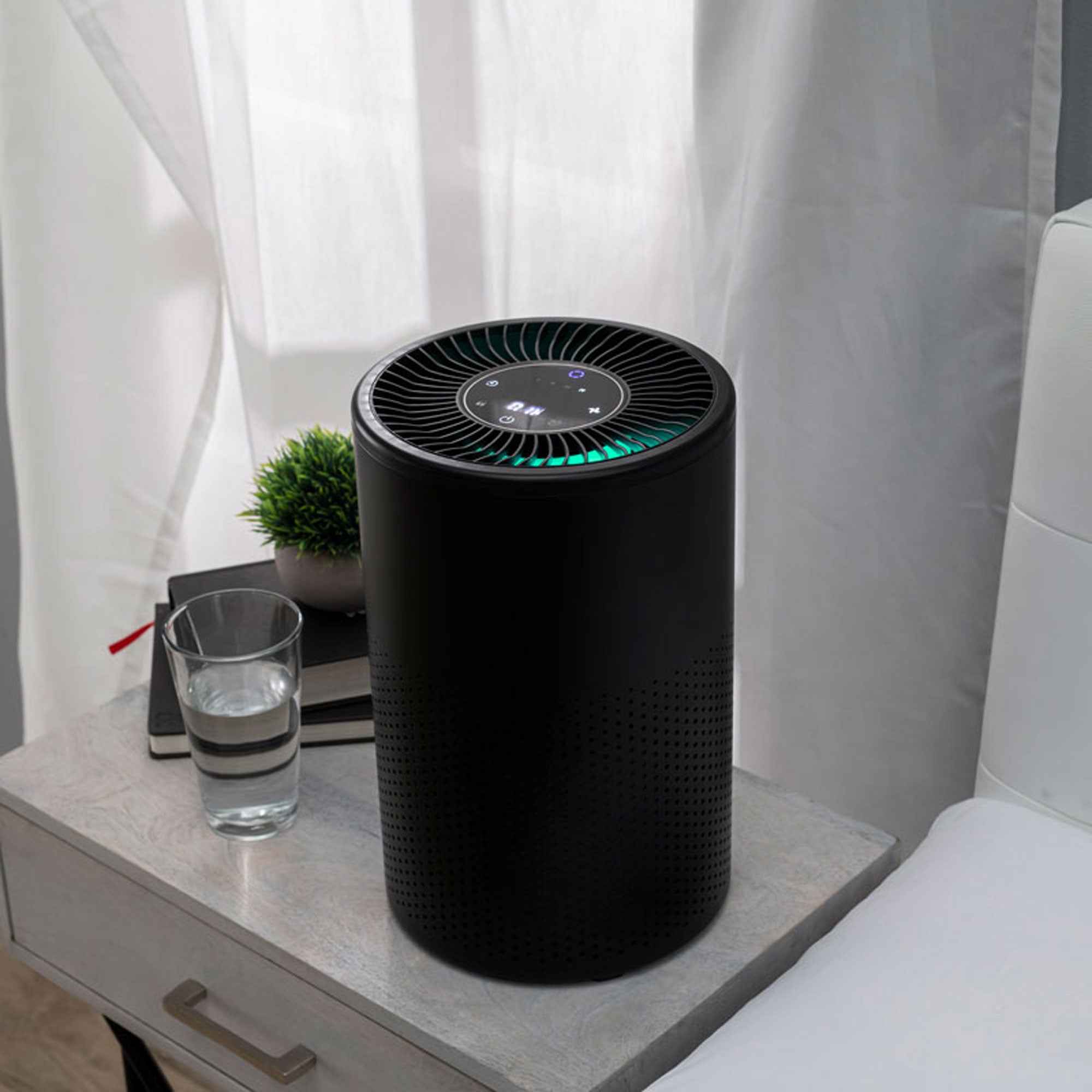
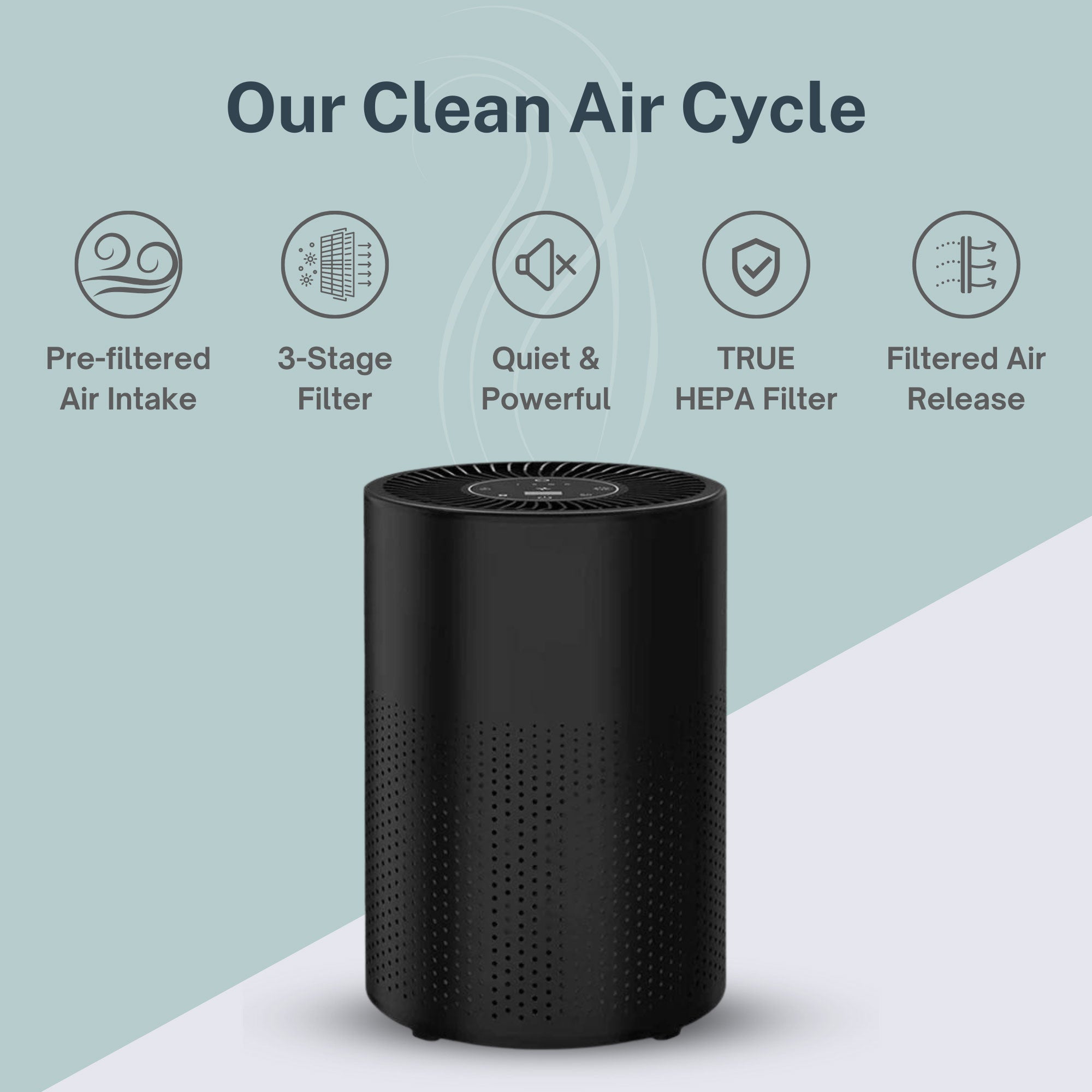
Not all air purifiers are equally suited to reducing mold. Single-technology systems—typically filtration only—are limited in what they can capture and neutralize. The most effective systems combine multiple purification technologies:
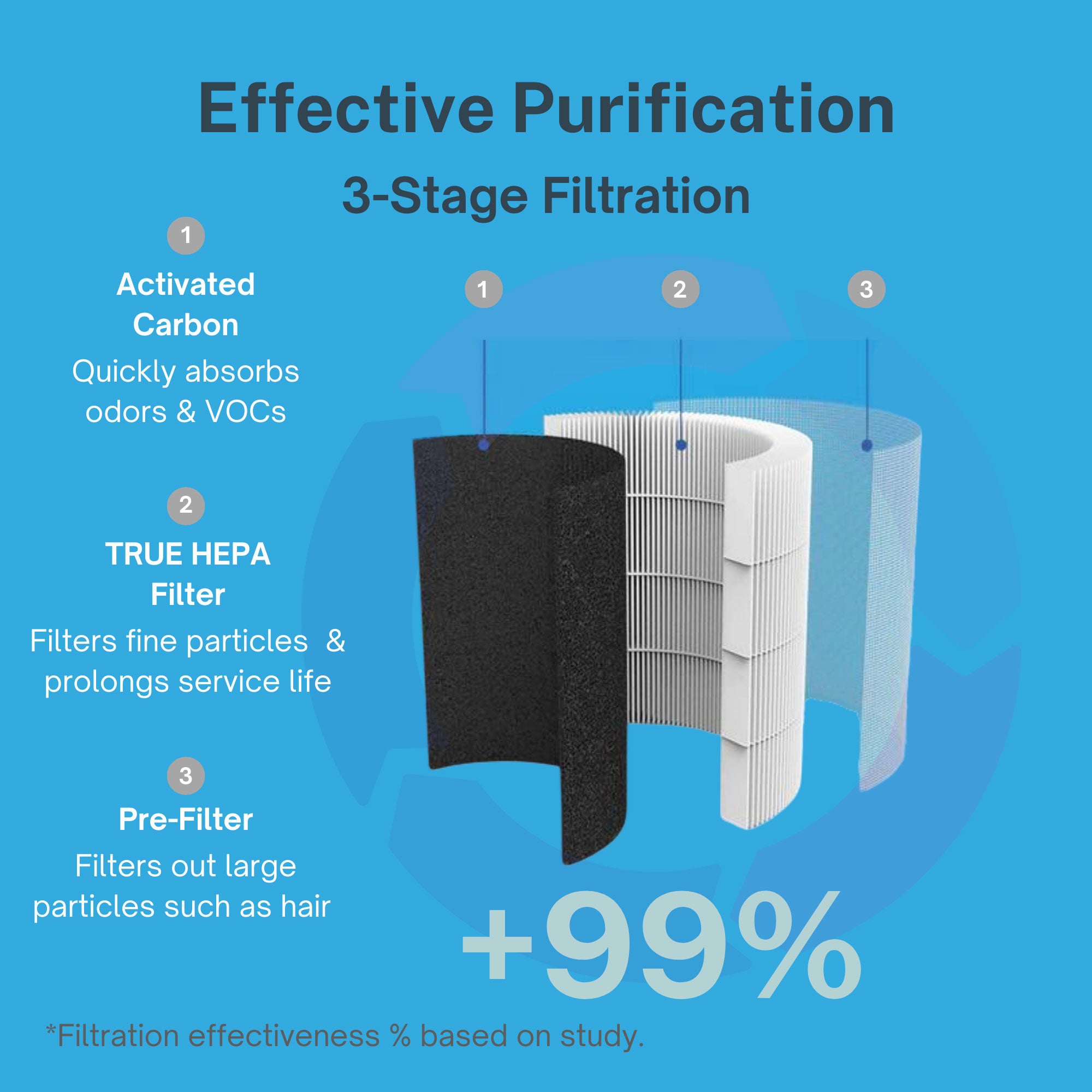
- True HEPA filtration — traps fine particles, including mold spores
- Activated carbon filtration — adsorbs mVOCs and musty odors
- Bi-polar and cold plasma ionization — causes airborne particles to cluster and drop out of circulation
- Ultraviolet light — deactivates pathogens and certain microbial contaminants
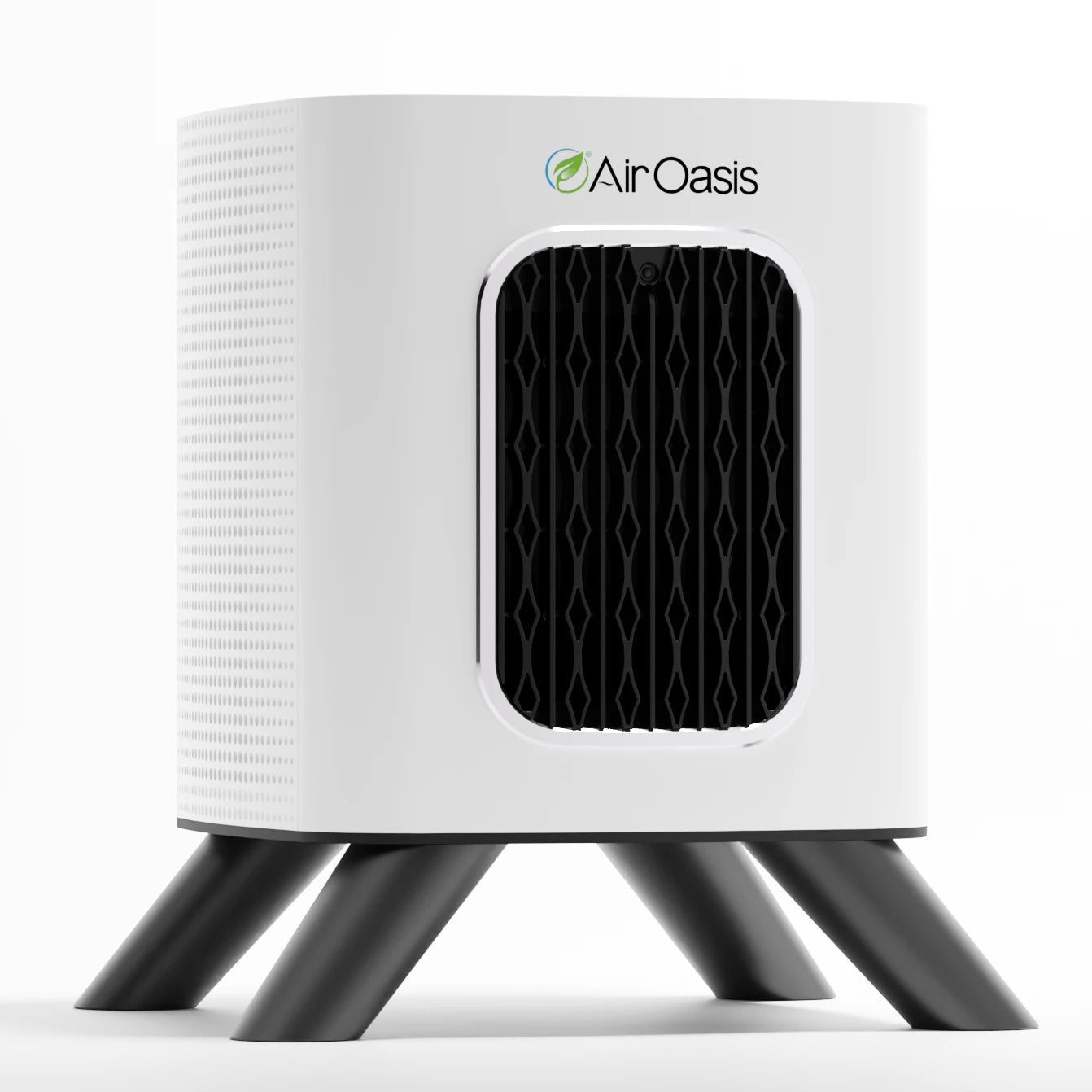
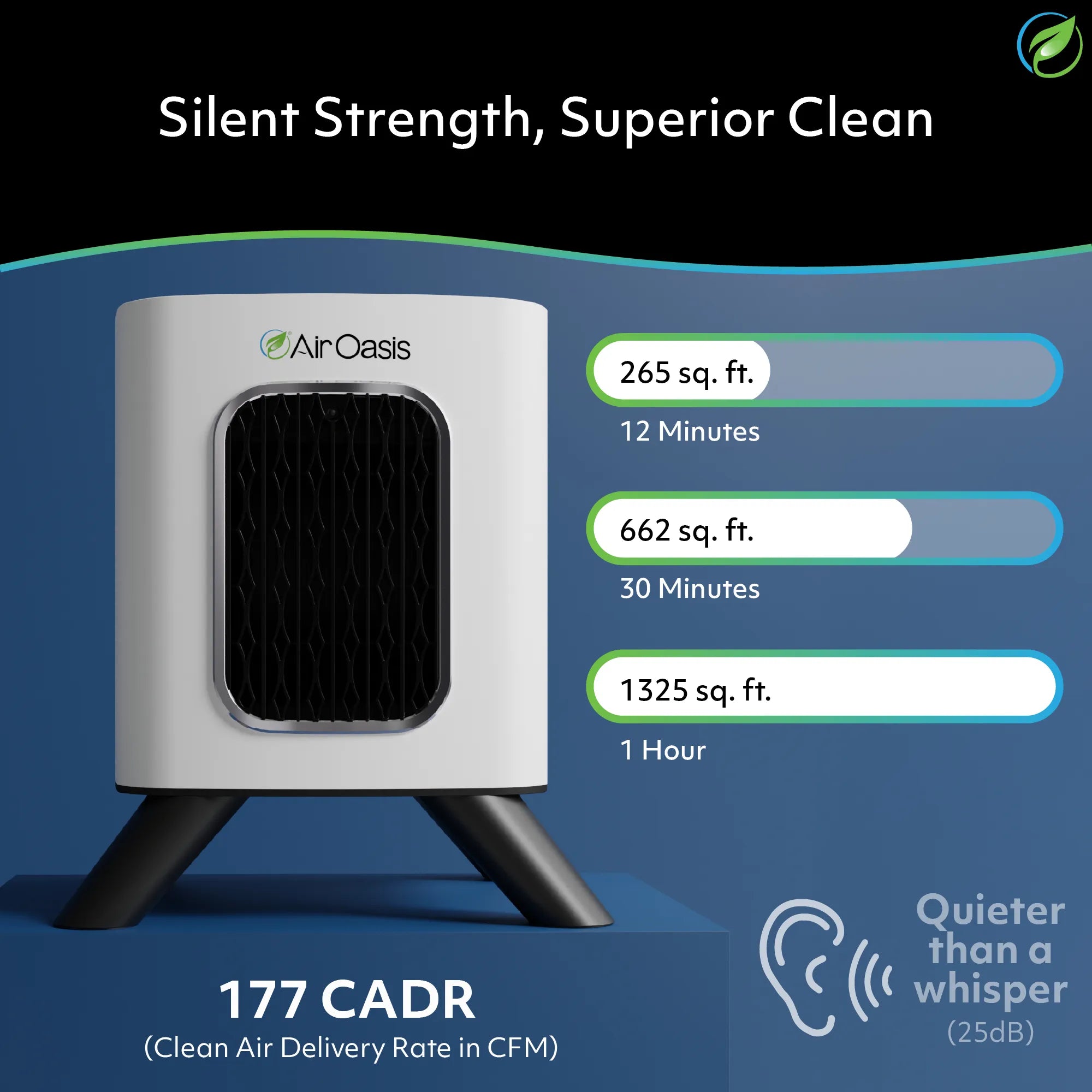
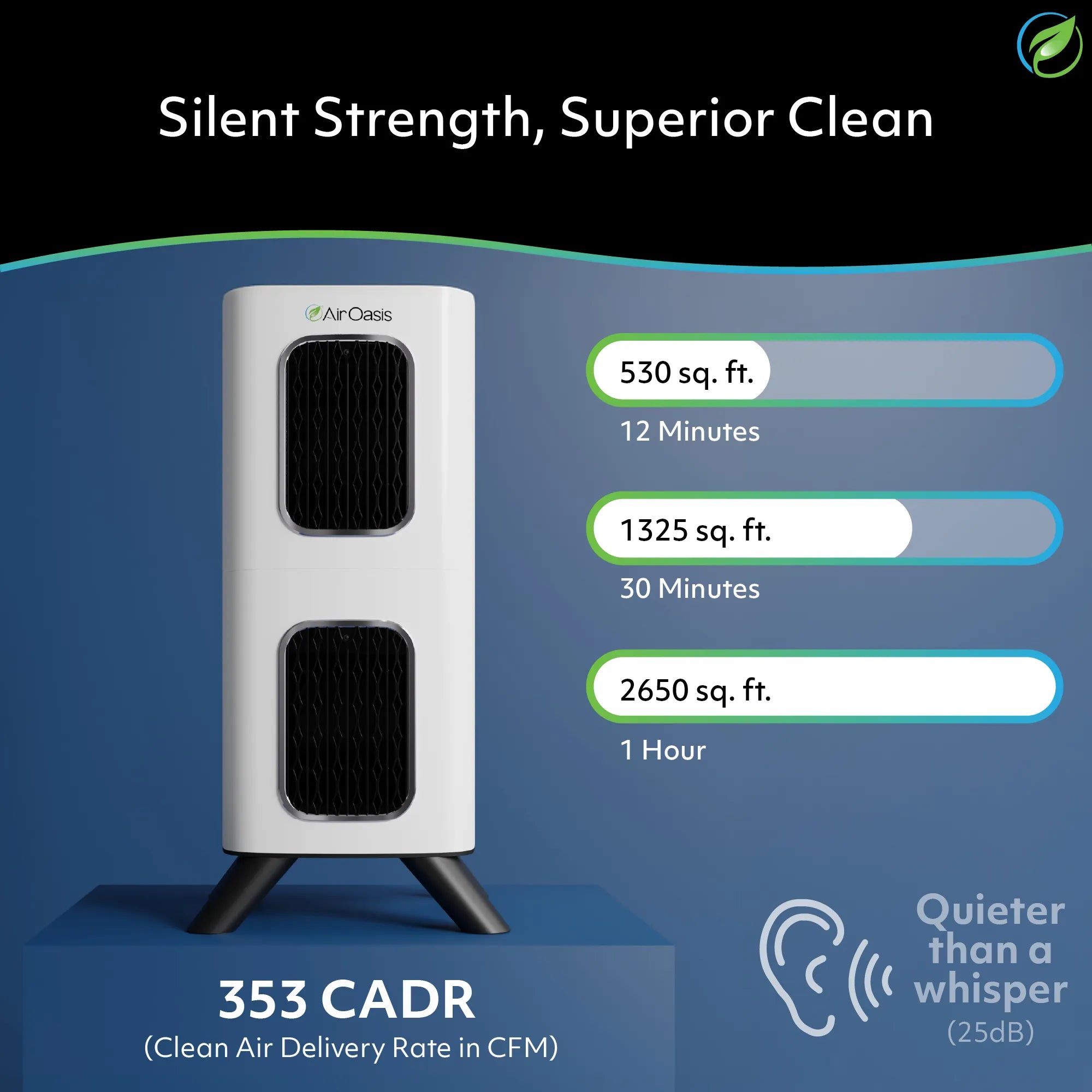
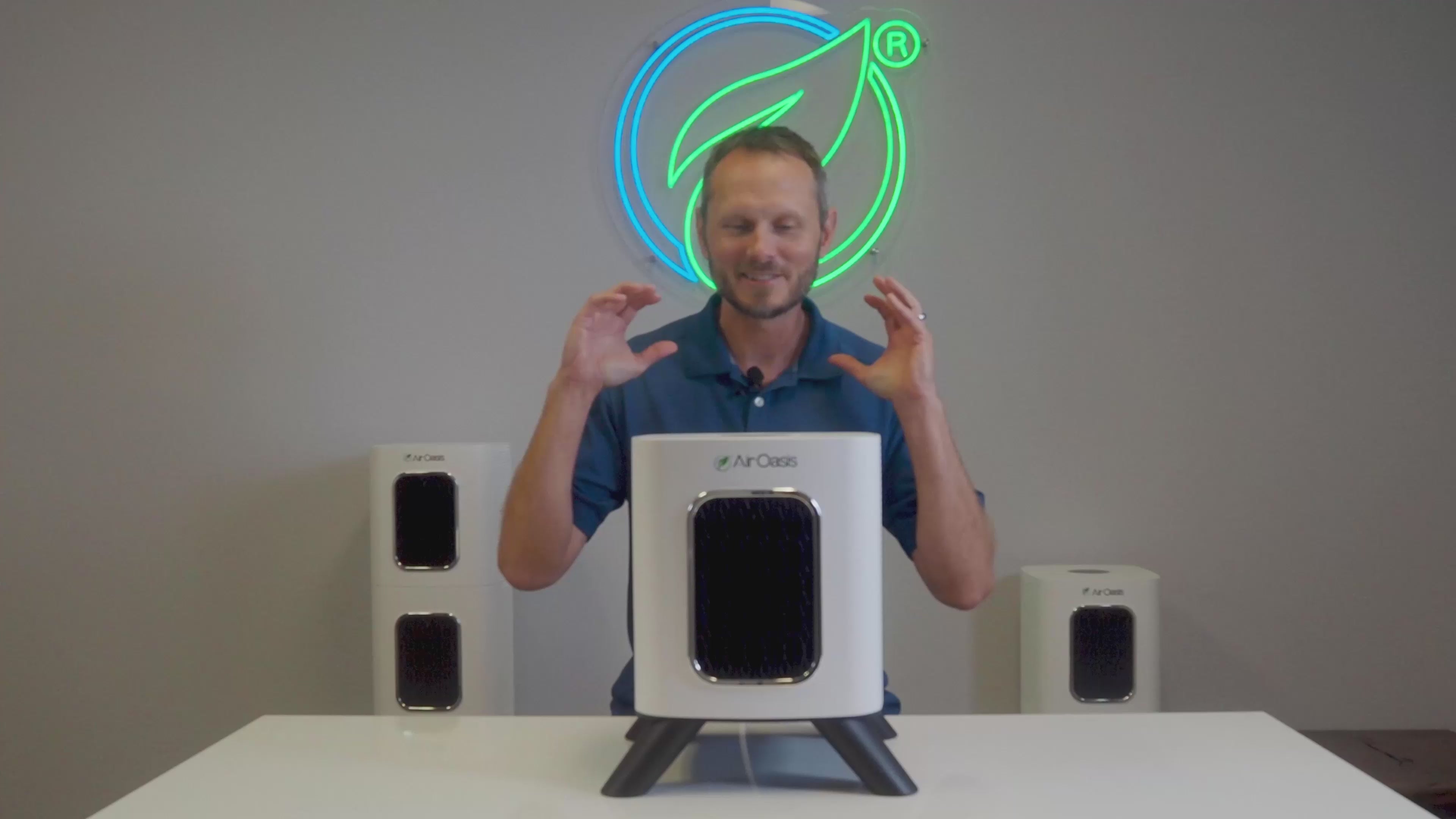
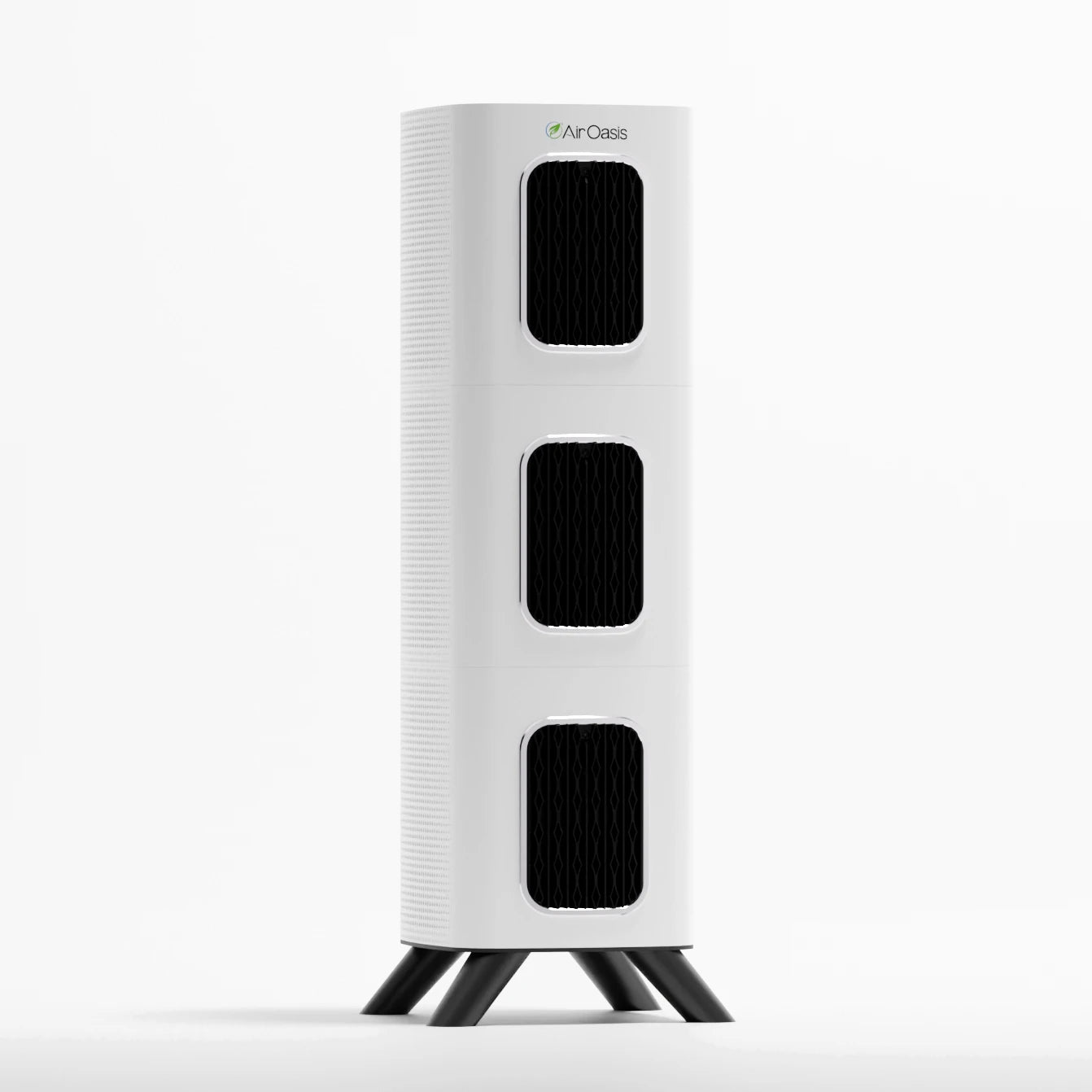
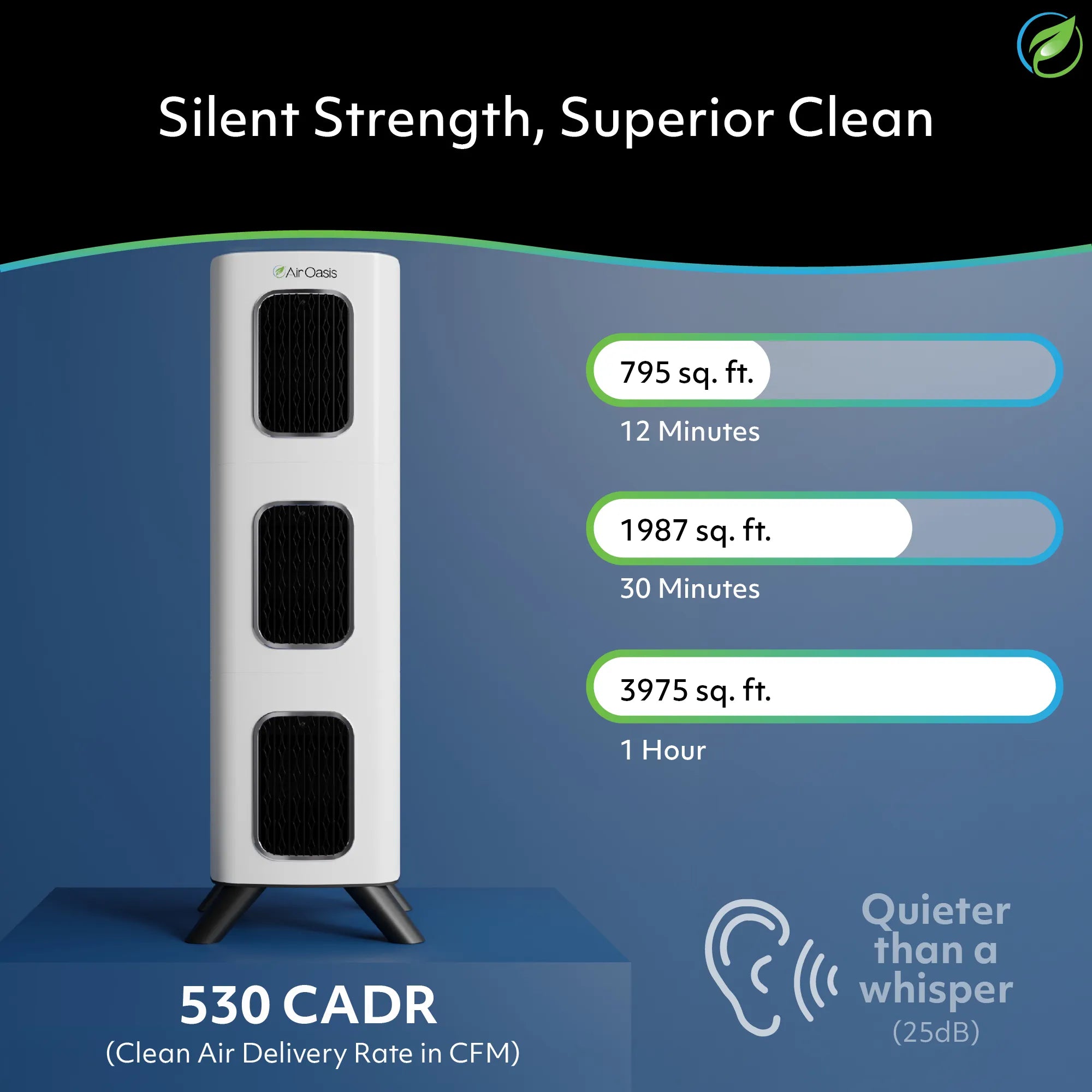
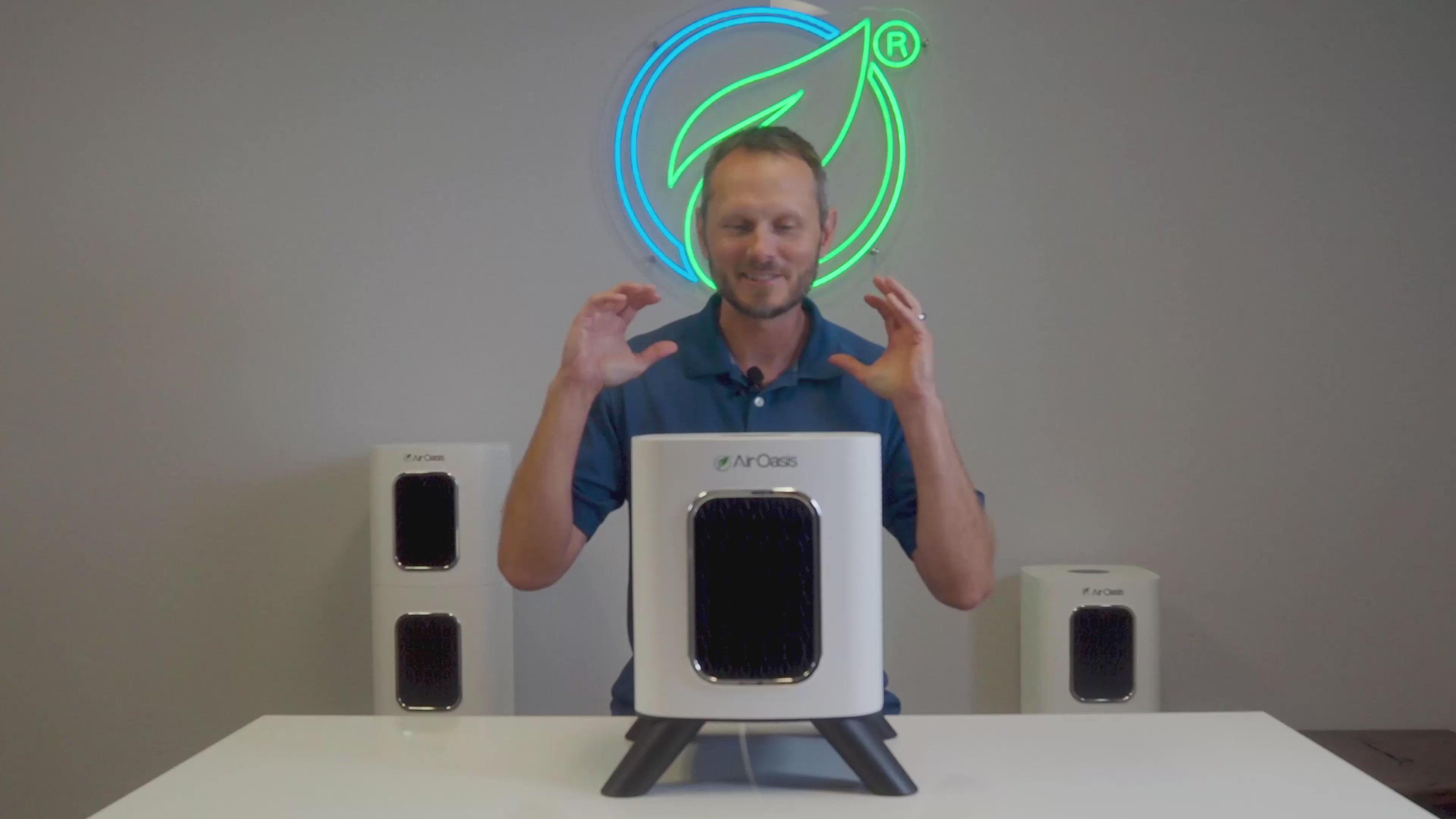
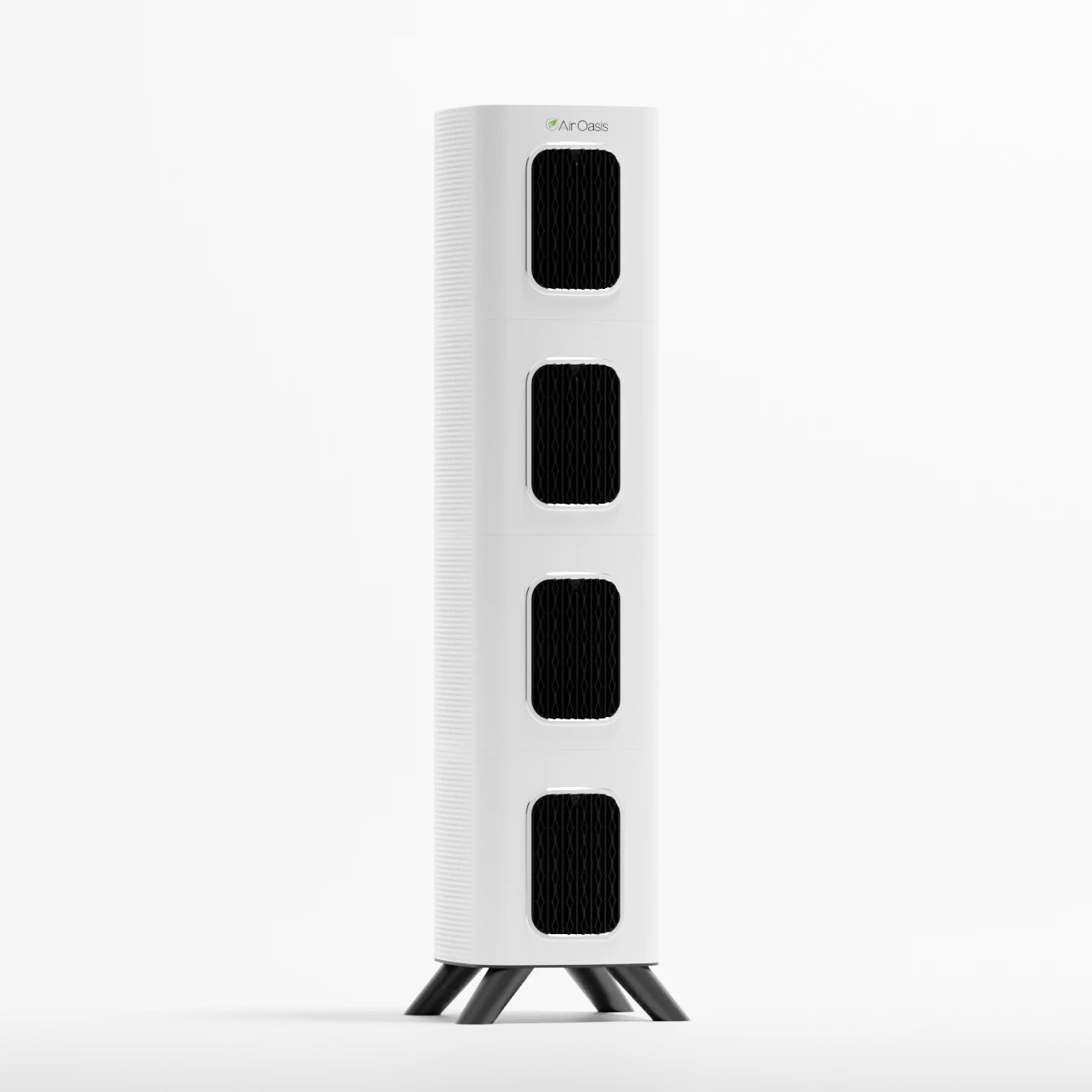
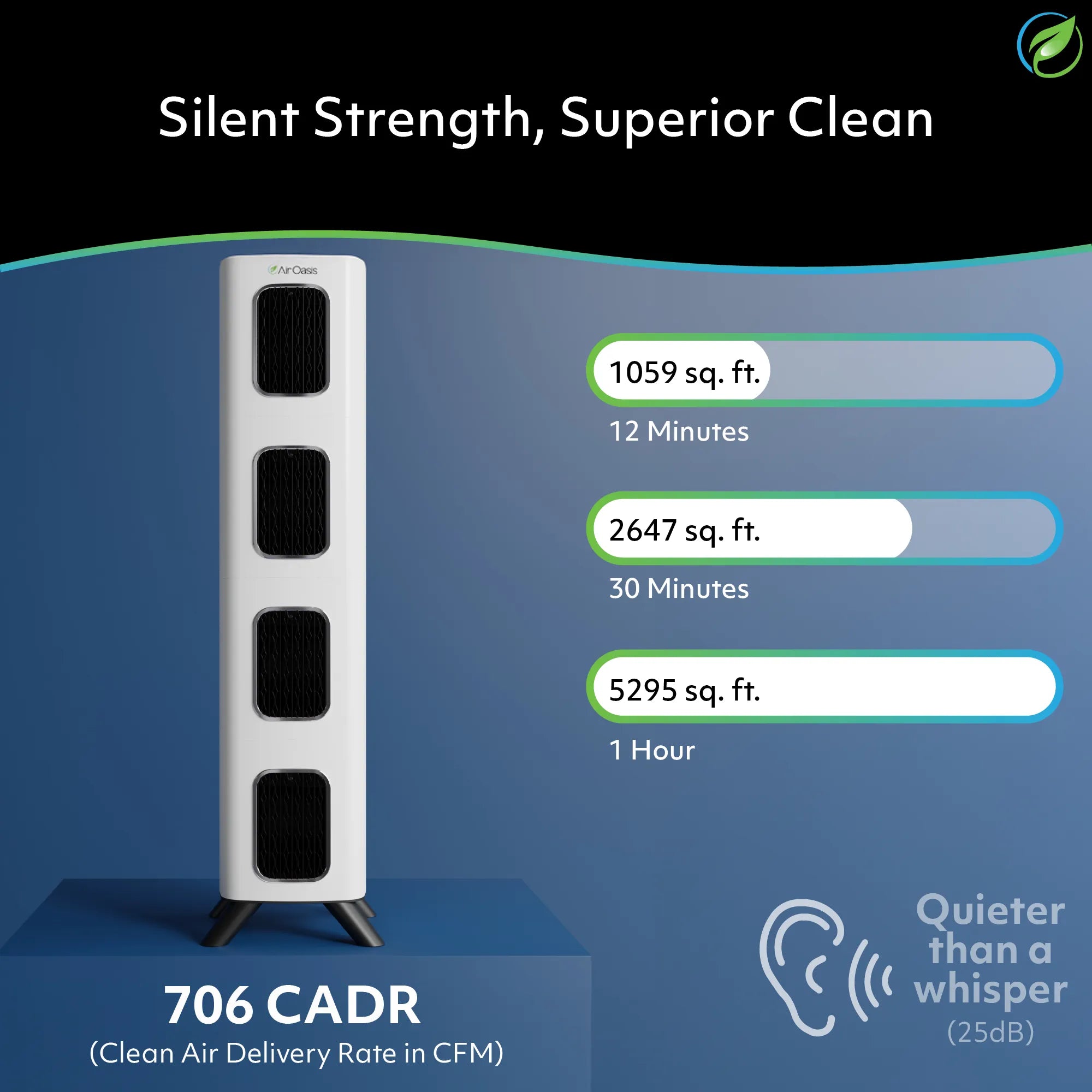
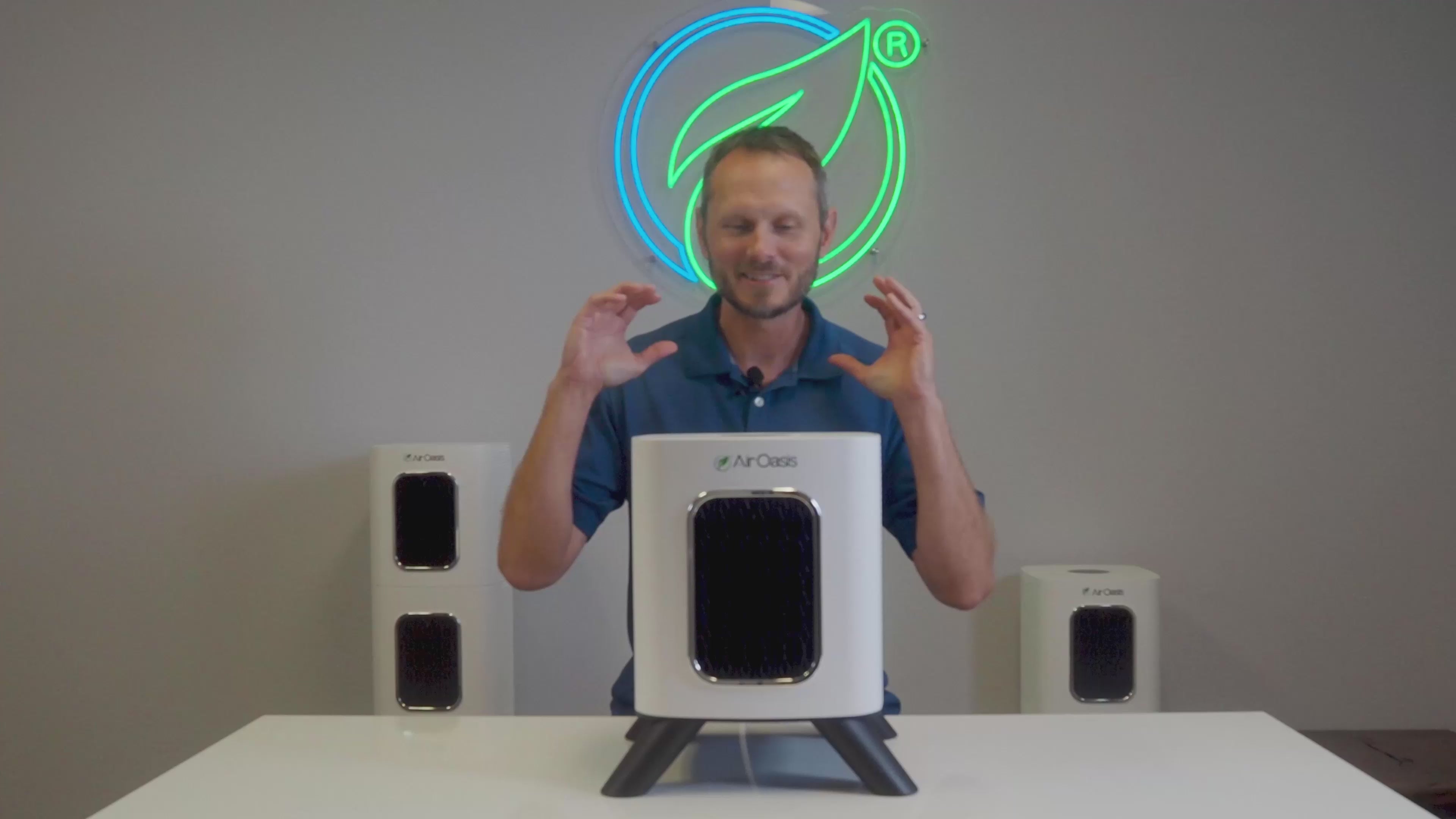
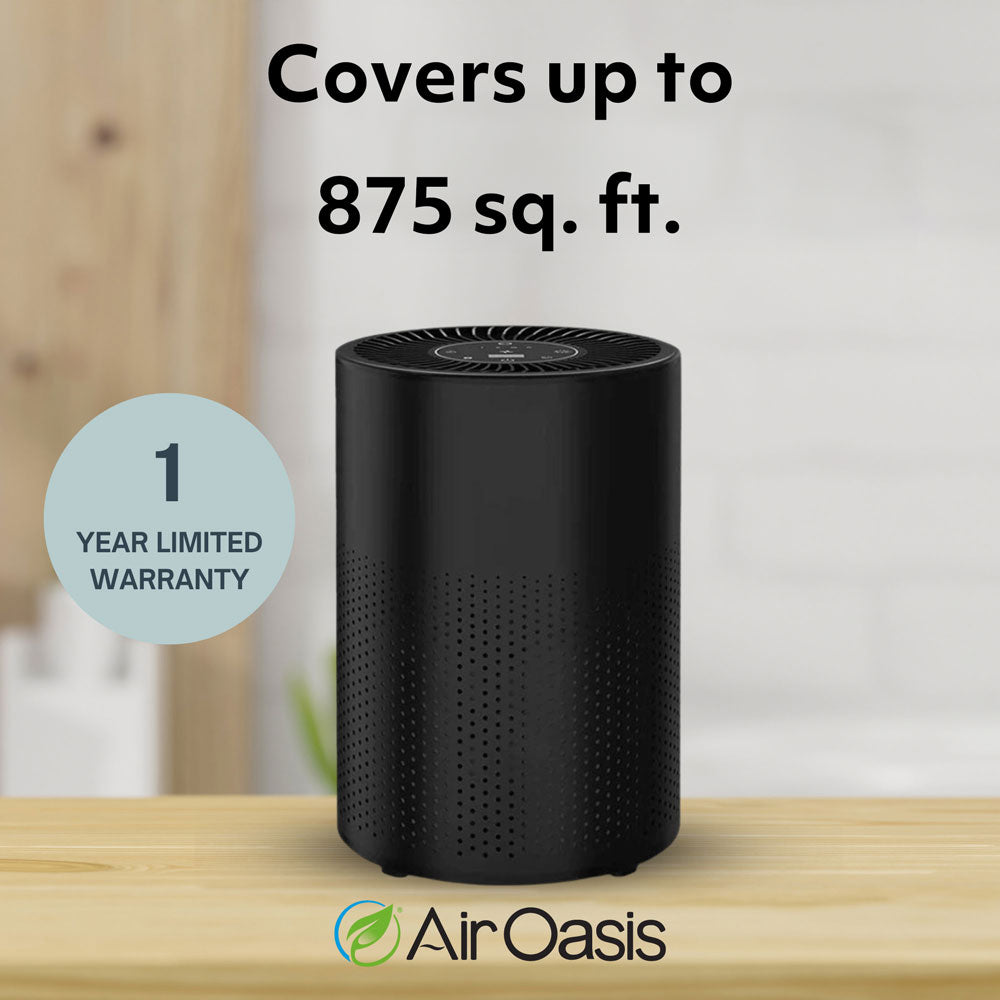
Air Oasis purifiers combine all five technologies, enabling them to reduce airborne particles such as mold spores and mVOCs, as well as address some surface contaminants. Each model is rigorously tested, and third-party study results are available to review.
If you have questions about which air purifier is right for your space, we're happy to help. Contact Air Oasis online or call (806) 373-7788 to speak with a team member.