Most people think of air quality as something you manage with a purifier or a cracked window. What doesn't get talked about as often is the role your furniture, your flooring, your curtains, and the way your room is arranged play in how air actually moves through your home. The layout of a room is not a neutral variable. It affects where air flows, where it stagnates, what particles accumulate, and ultimately what you're breathing.
The good news is that many of these factors are within your control, without a renovation.
How furniture placement creates stagnant air zones
Air follows the path of least resistance. In a room full of large furniture arranged against walls with few gaps between pieces, air circulation becomes fragmented. Corners, tight spaces between the sofa and the wall, the area behind a large bookcase, these become dead zones where air doesn't move freely. Particles settle there and stay. Humidity concentrates. In a damp climate, those corners can be exactly where mold takes hold first.
This matters because your HVAC system and any air purifiers you run rely on air actually reaching them. A supply vent pushing conditioned air into a room can only distribute that air effectively if the room allows it to circulate. When furniture blocks that movement, the result is uneven air quality within the same room. The air near the vent may be reasonably clean. The air in the corner behind the sectional may be stagnant.
Practical adjustments are often small. Pulling large pieces of furniture a few inches from walls creates channels that allow air to move more freely along surfaces. Avoiding arrangements that completely block the path between supply vents and return air vents helps your HVAC system do its job. Even rearranging a room so the main seating area is not in a corner can meaningfully improve the air you're breathing while you're in it.
How soft furnishings behave as pollutant reservoirs
The materials in a room contribute to air quality in two ways: what they trap and what they emit.
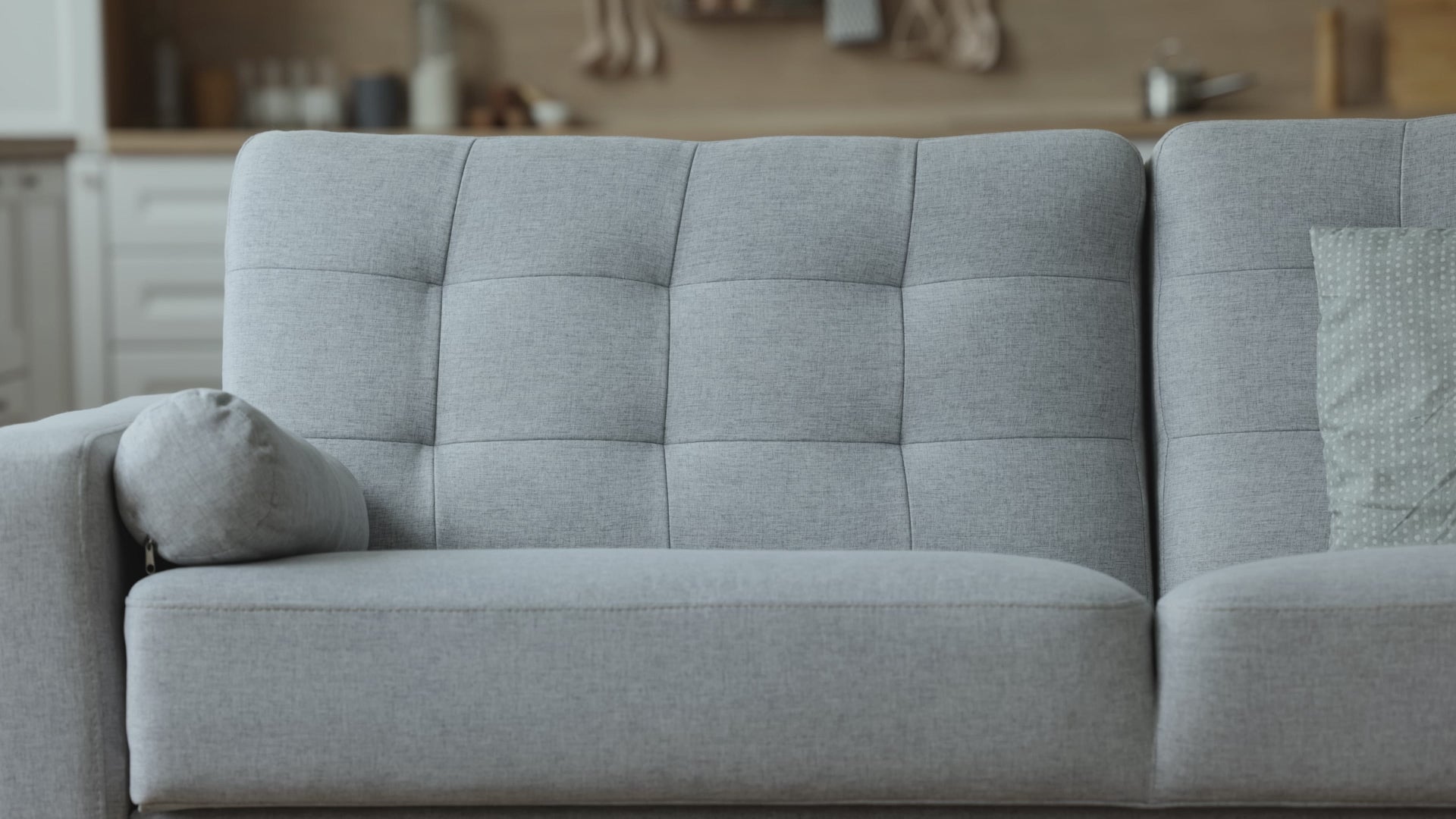
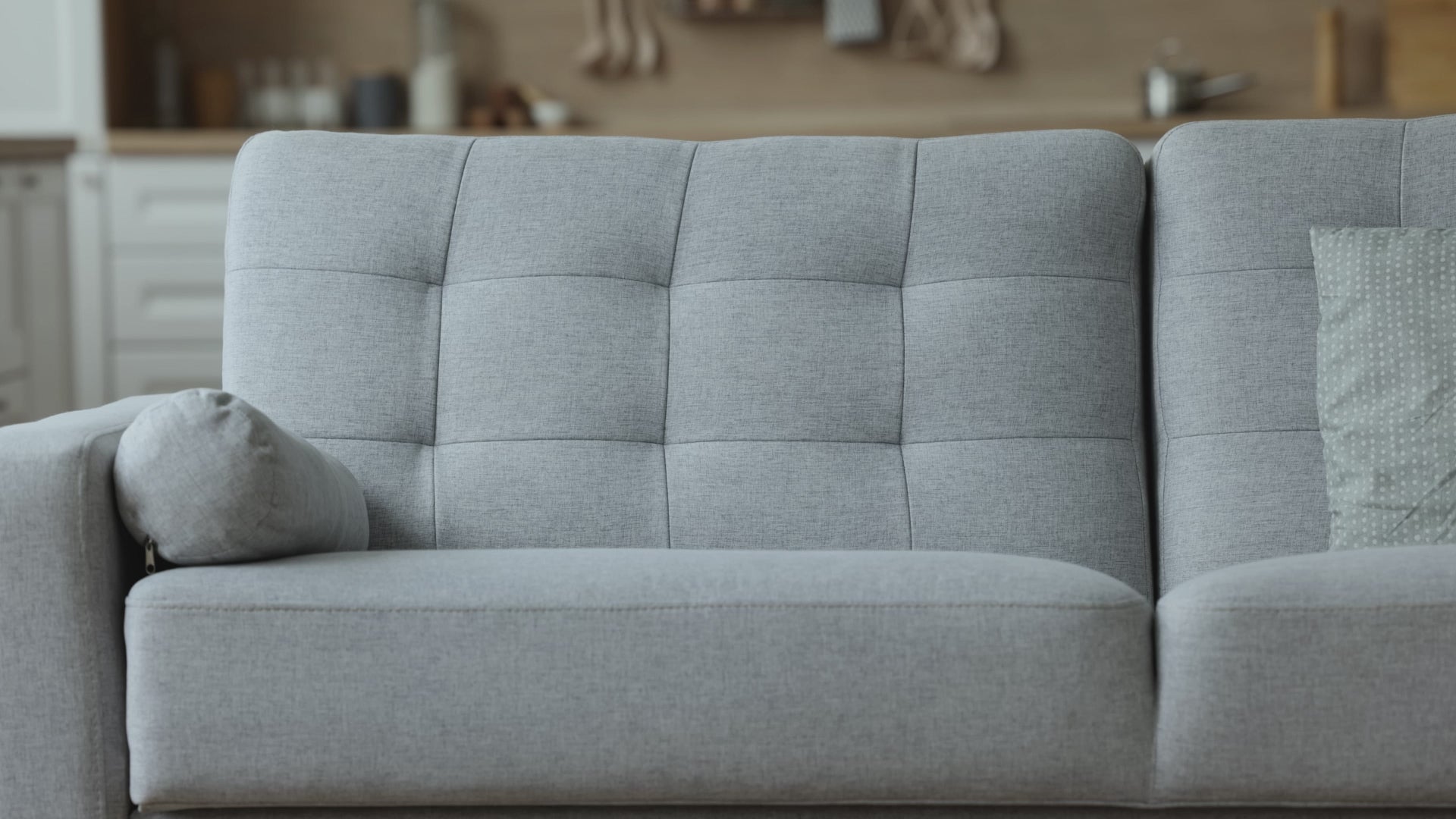
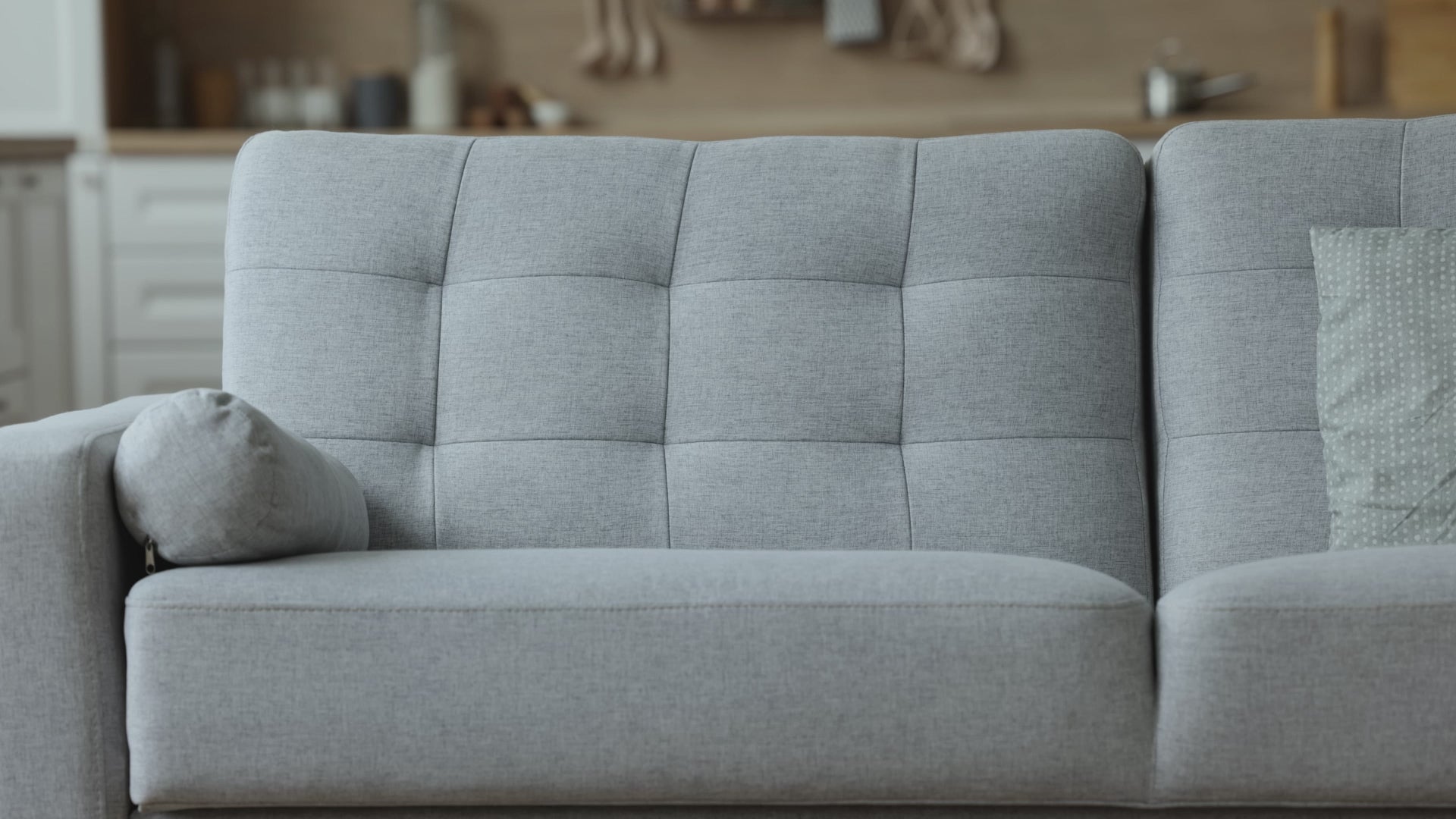
Upholstered furniture, heavy curtains, thick rugs, and fabric-covered walls all act as reservoirs for airborne particles. Dust mite waste, pet dander, pollen, and fine particulate matter settle into these soft surfaces and re-enter the air with any disturbance, sitting down, walking past, shaking a cushion. Research comparing particulate matter levels in rooms with heavy soft furnishings versus those with fewer fabric surfaces has consistently found higher airborne particle loads where more soft materials are present.
This doesn't mean minimalism is a health requirement. It means knowing that heavily upholstered rooms require more frequent cleaning and more active air filtration to maintain equivalent air quality to rooms with fewer fabric surfaces. Choosing lower-pile rugs over deep shag, keeping curtains laundered regularly, and opting for wipeable surfaces in high-allergen households are practical moves that reduce the reservoir effect without changing a room's fundamental character.
The materials themselves also matter. Many synthetic furnishings, pressed wood furniture, foam cushions, vinyl flooring, and certain fabric treatments off-gas volatile organic compounds (VOCs) for months or years after purchase. These are gaseous pollutants that don't settle out of the air the way particles do. A room recently furnished with new pieces from a conventional retailer will often have measurably elevated VOC levels that gradually decrease over time. Choosing low-VOC finishes, solid wood over pressed wood composites where feasible, and allowing new furniture to off-gas in a well-ventilated space before bringing it into a bedroom are reasonable, evidence-adjacent steps.
How window placement and window treatments affect ventilation
Natural ventilation, the movement of outdoor air through a space when windows are open, is one of the most effective ways to dilute indoor pollutants, particularly CO2 and VOCs that accumulate in occupied spaces. But the architecture of your room and your window treatments both affect how well that ventilation actually works.
Cross-ventilation, where windows on opposite or adjacent walls allow air to enter from one side and exit from another, moves air far more effectively than a single open window. A window open on one wall with no corresponding opening creates limited air exchange. If your room's layout allows it, opening windows on more than one wall during ventilation significantly improves the air exchange rate.
Window treatments affect how freely windows can be used. Blackout curtains, heavy drapes, and blinds that are cumbersome to open tend to stay closed more than simple, easy-to-operate shades. The practical result is less ventilation than a room's window area would suggest. Choosing window treatments that are easy to open and let you ventilate spontaneously, without committing to a full rearrangement, makes a genuine difference in how often you actually open those windows.
During periods when outdoor air quality is good, this matters considerably. When outdoor air quality is poor, such as during wildfire season or high-pollen days, keeping windows closed and relying on filtration is the right call. The goal is flexibility: a room that allows you to ventilate easily when outdoor conditions support it.
How ceiling height and room shape affect air mixing
Rooms with high ceilings hold more air volume, which is generally better for air quality because it dilutes pollutants more than a low-ceiling room of the same floor area. But height creates its own challenge: warm air rises, and with it, lighter particles and some VOC concentrations stratify upward. The air at breathing height, three to five feet above the floor, may be somewhat different from the air near the ceiling.
This stratification is relevant in rooms with very high ceilings or loft-style spaces without active air mixing. Ceiling fans set to run on low speed in summer (counterclockwise, pushing air down) and winter (clockwise on low, pulling air up) gently break up stratification and bring room air into more consistent circulation. This is one of the most cost-effective interventions for improving air mixing in high-ceiling spaces.
Long, narrow rooms present a different challenge. Air circulation tends to be good near the entry point, such as a door or vent, and progressively weaker toward the far end. If you spend most of your time at the far end of a long room, the air quality there may be meaningfully worse than at the entry end. Arranging air purifiers and vents so that they serve the areas where you actually sit, rather than where the room starts, addresses this practically.
Where air purification fits alongside good design choices
Interior design choices can meaningfully improve air circulation and reduce the passive accumulation of pollutants. What they can't do is remove particles and gases already in the air. That's where active filtration completes the picture.
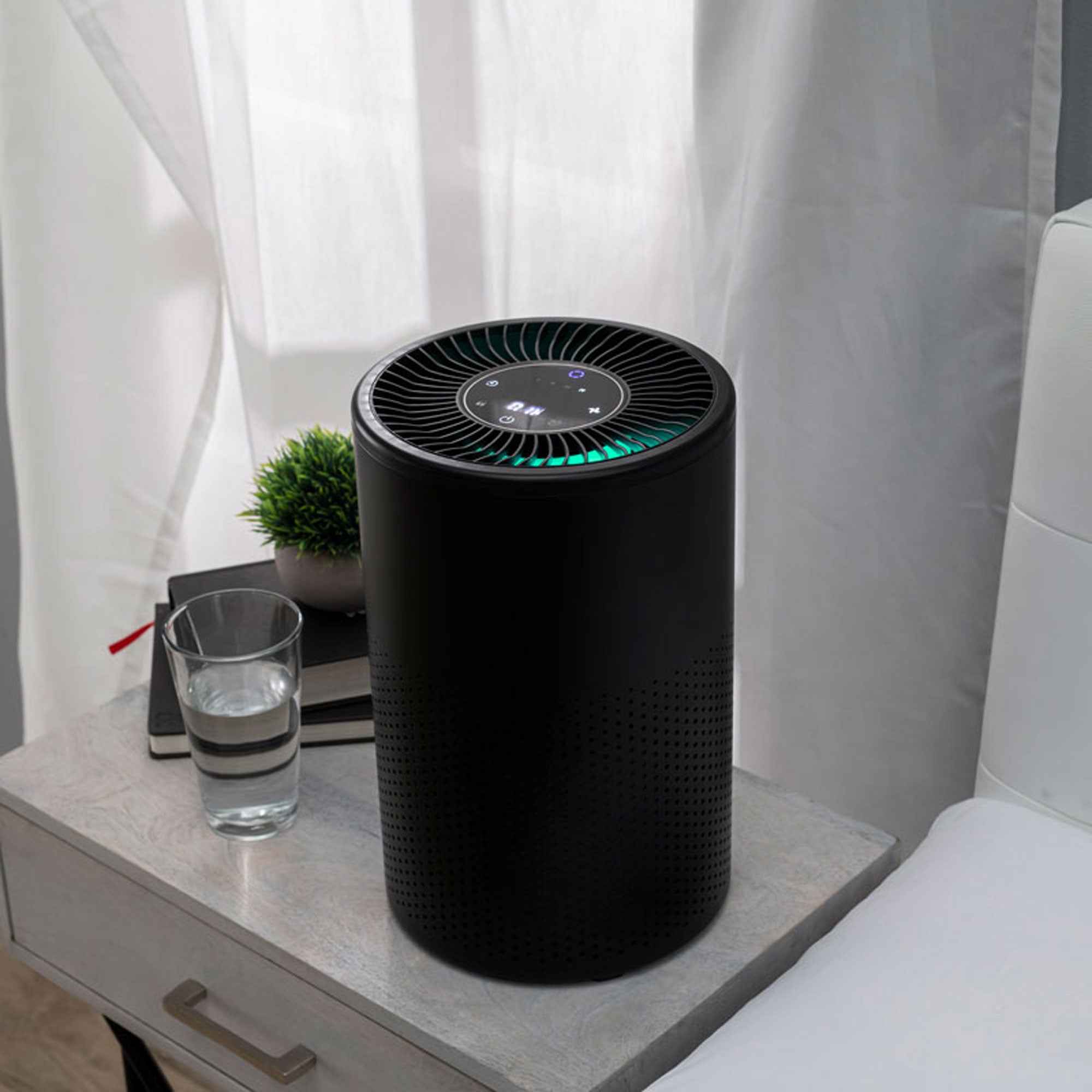
An air purifier works best in a room where air can actually reach it. All the furniture-spacing and circulation principles described above directly benefit purifier performance, because a unit that can draw freely from the room's full air volume cleans more effectively than one tucked into a corner where air barely moves.
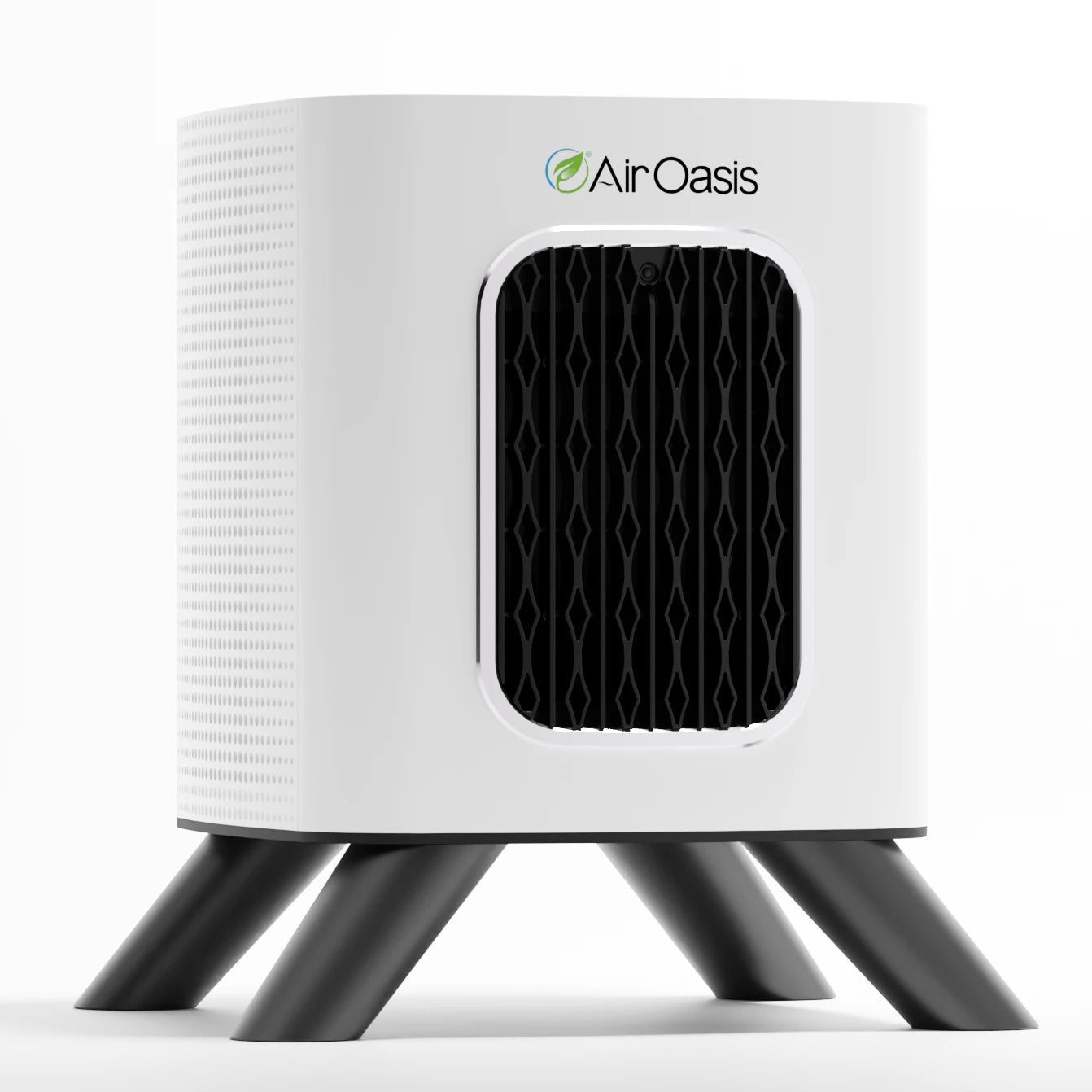
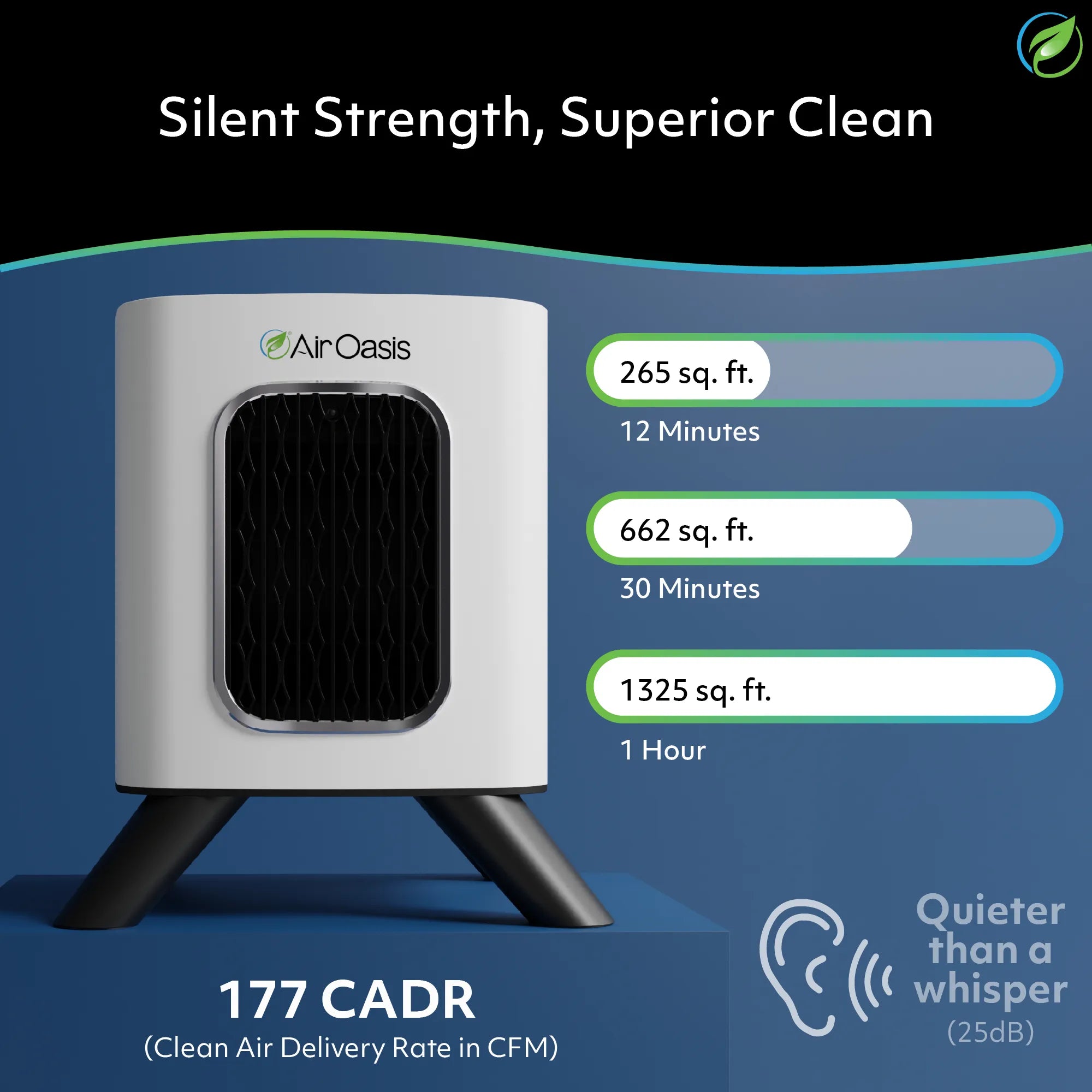
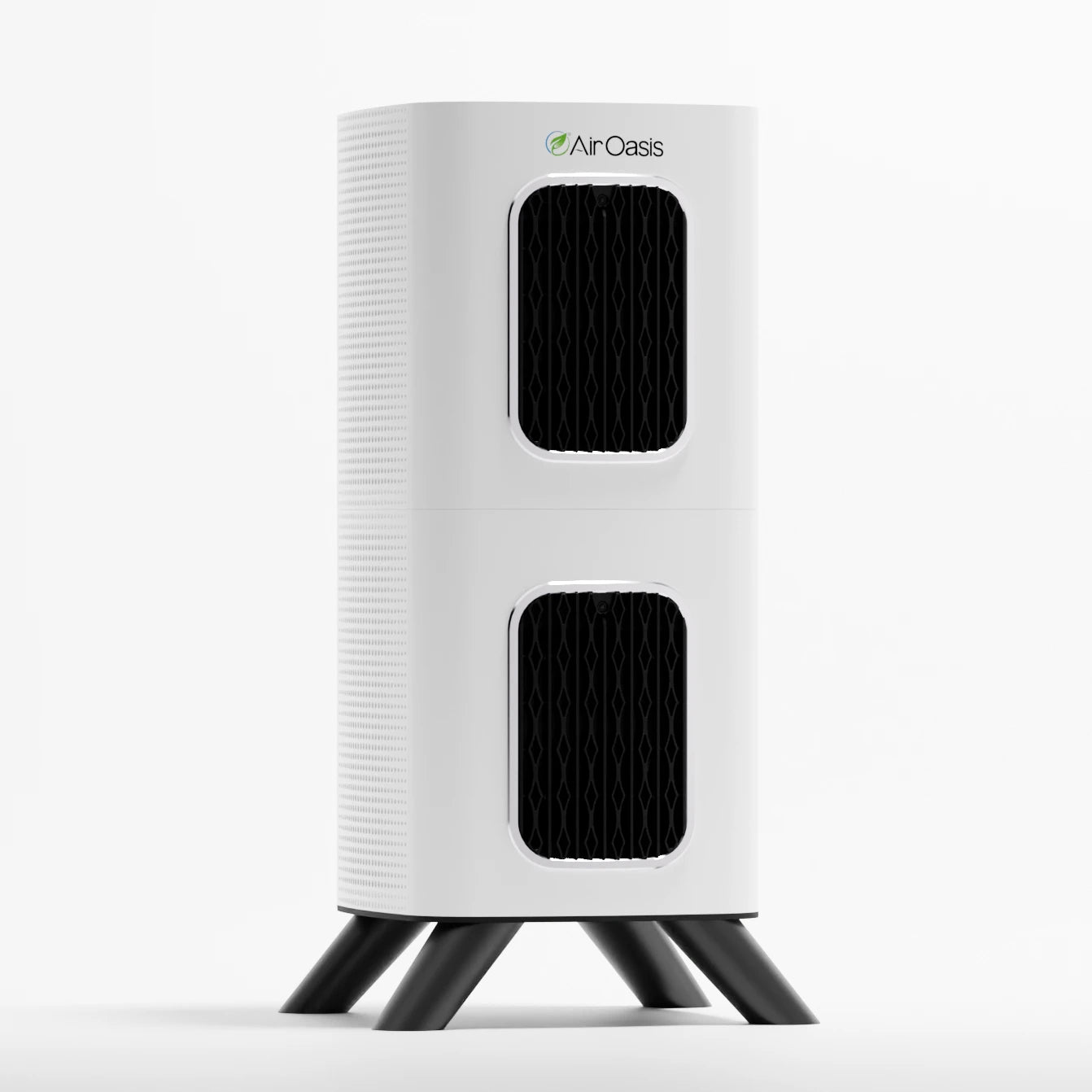
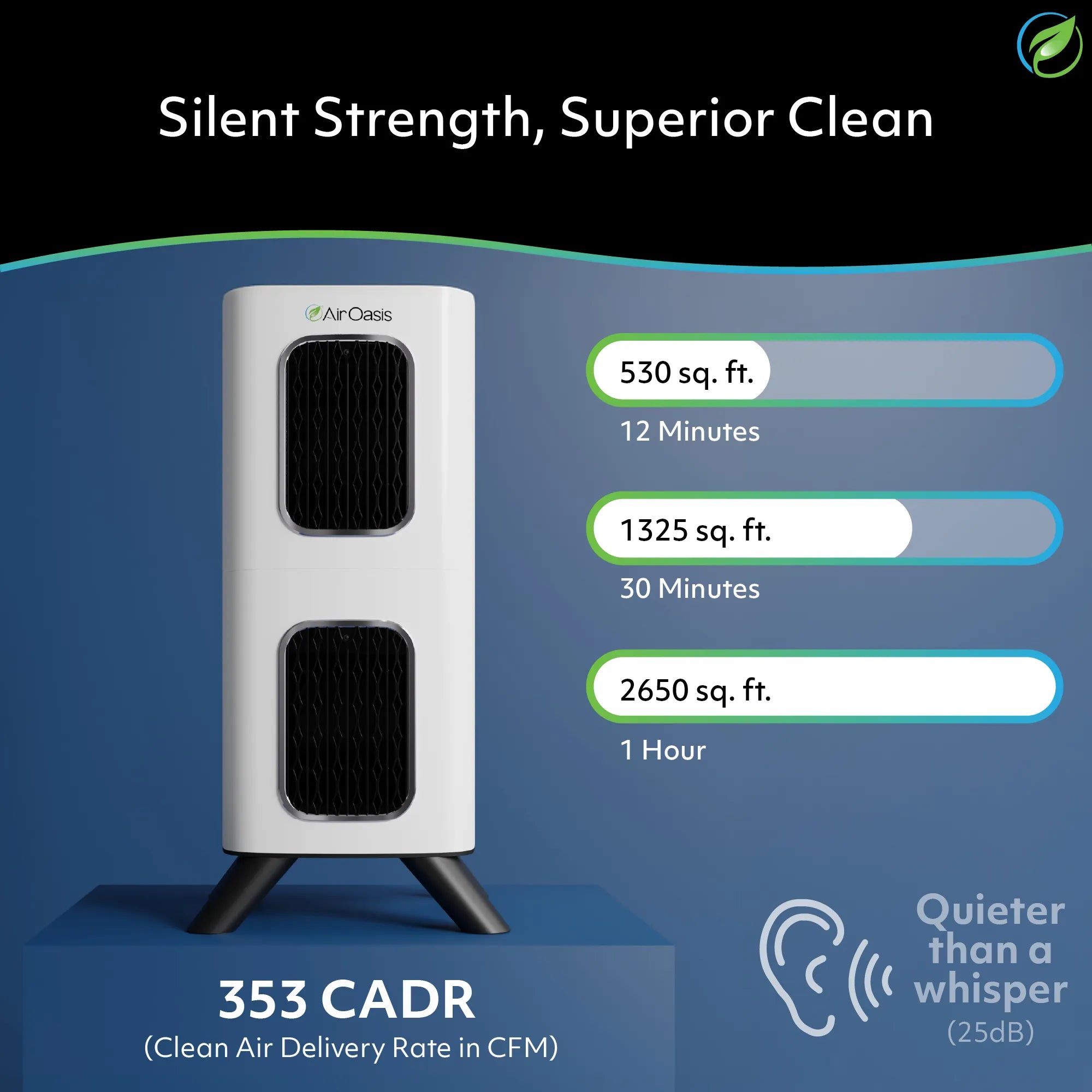
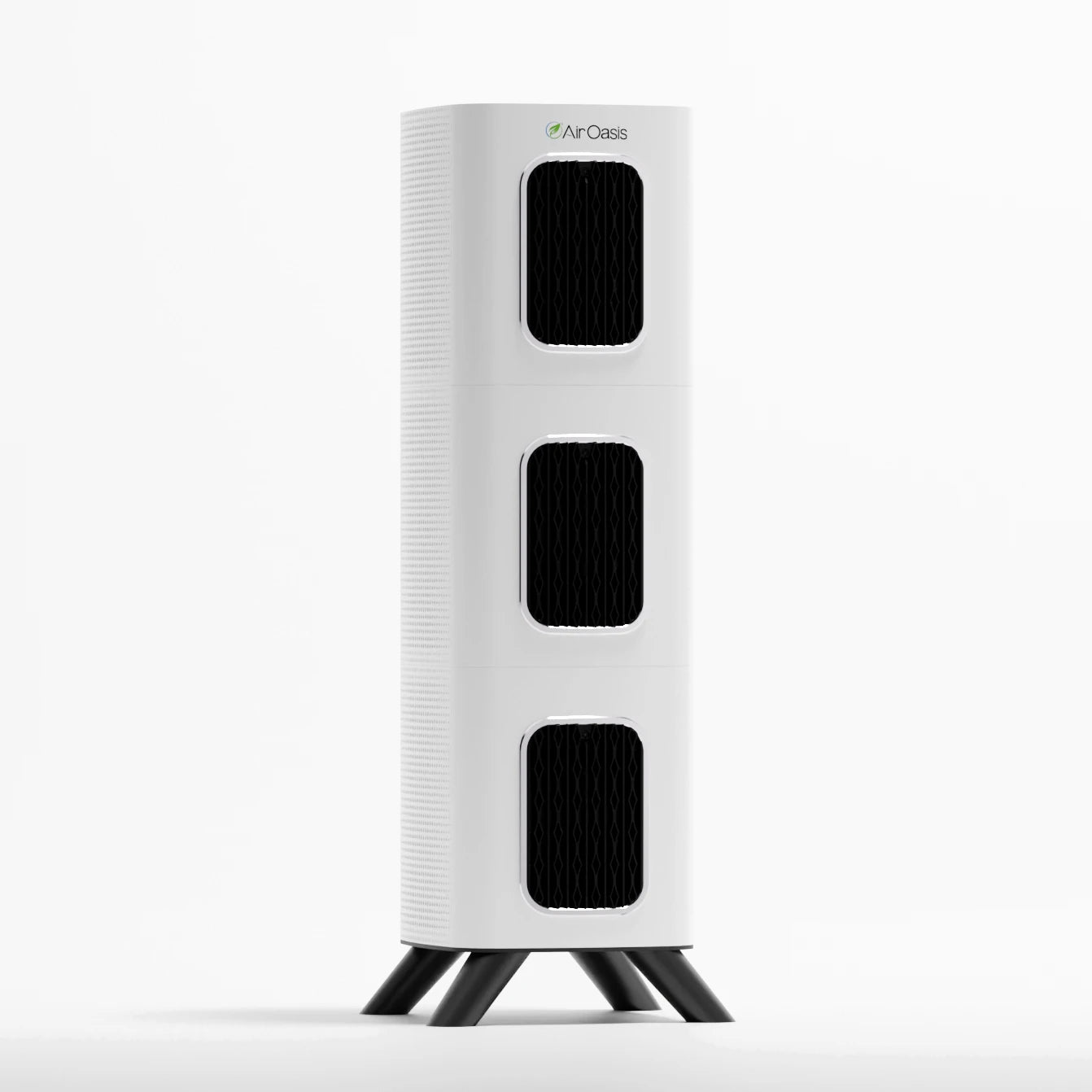
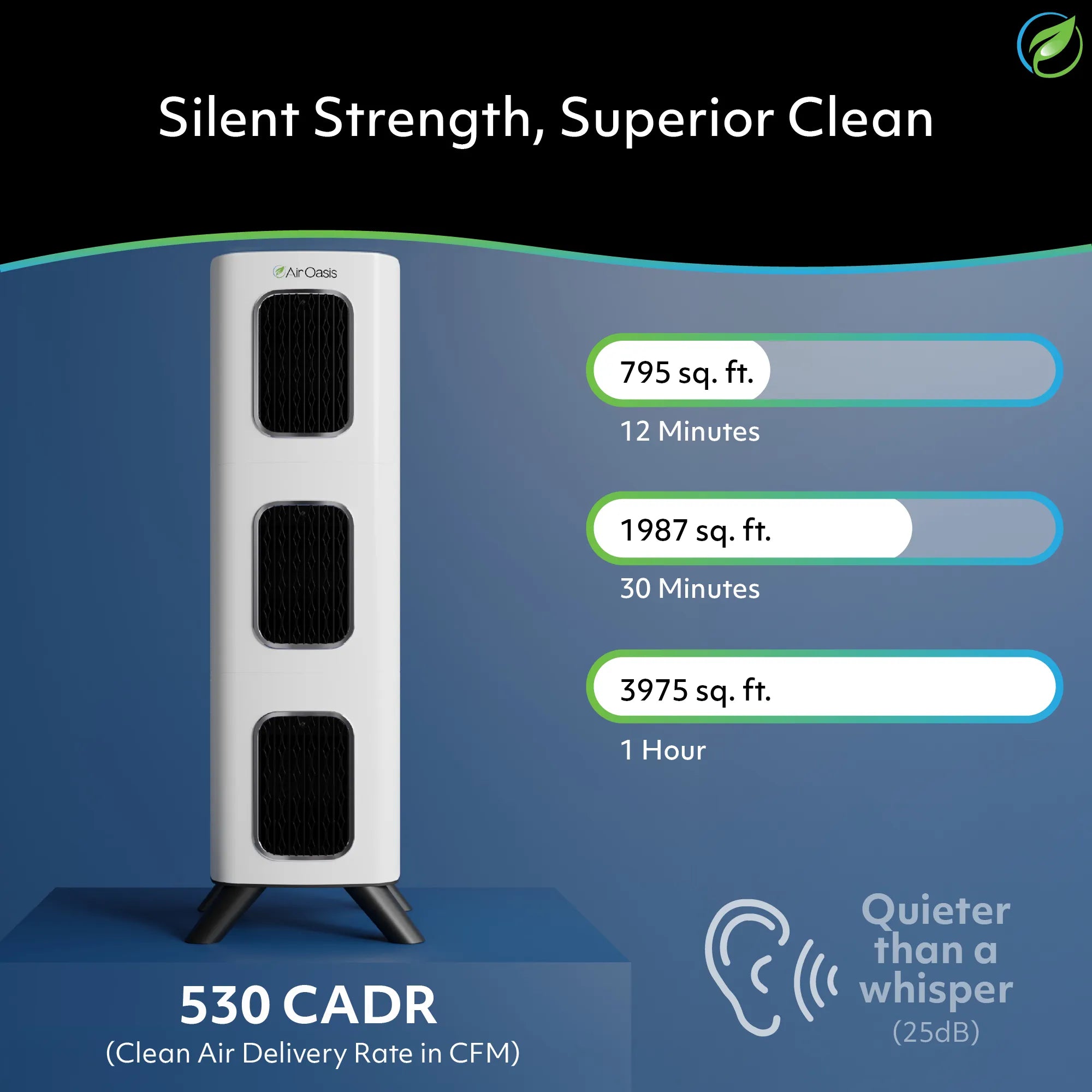
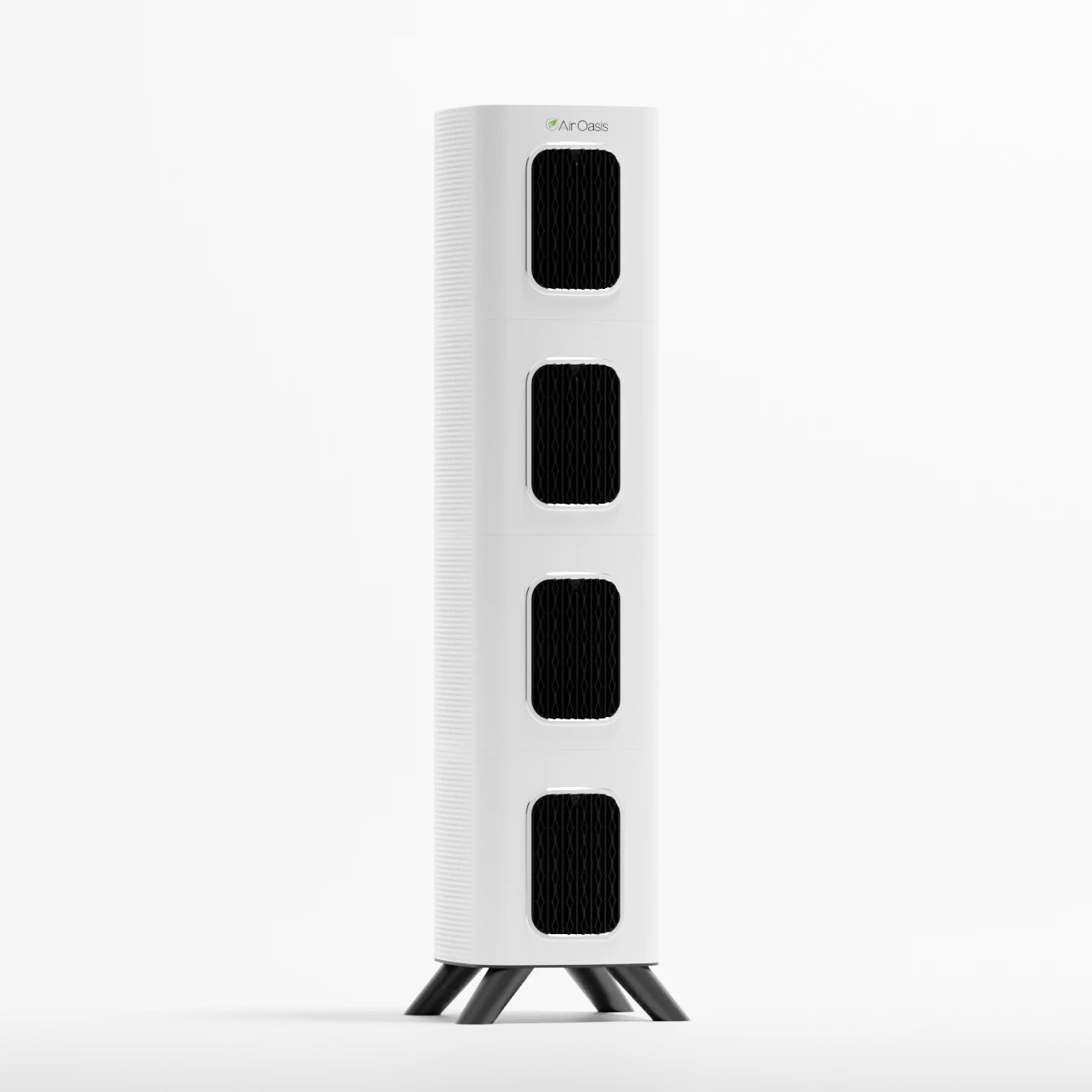
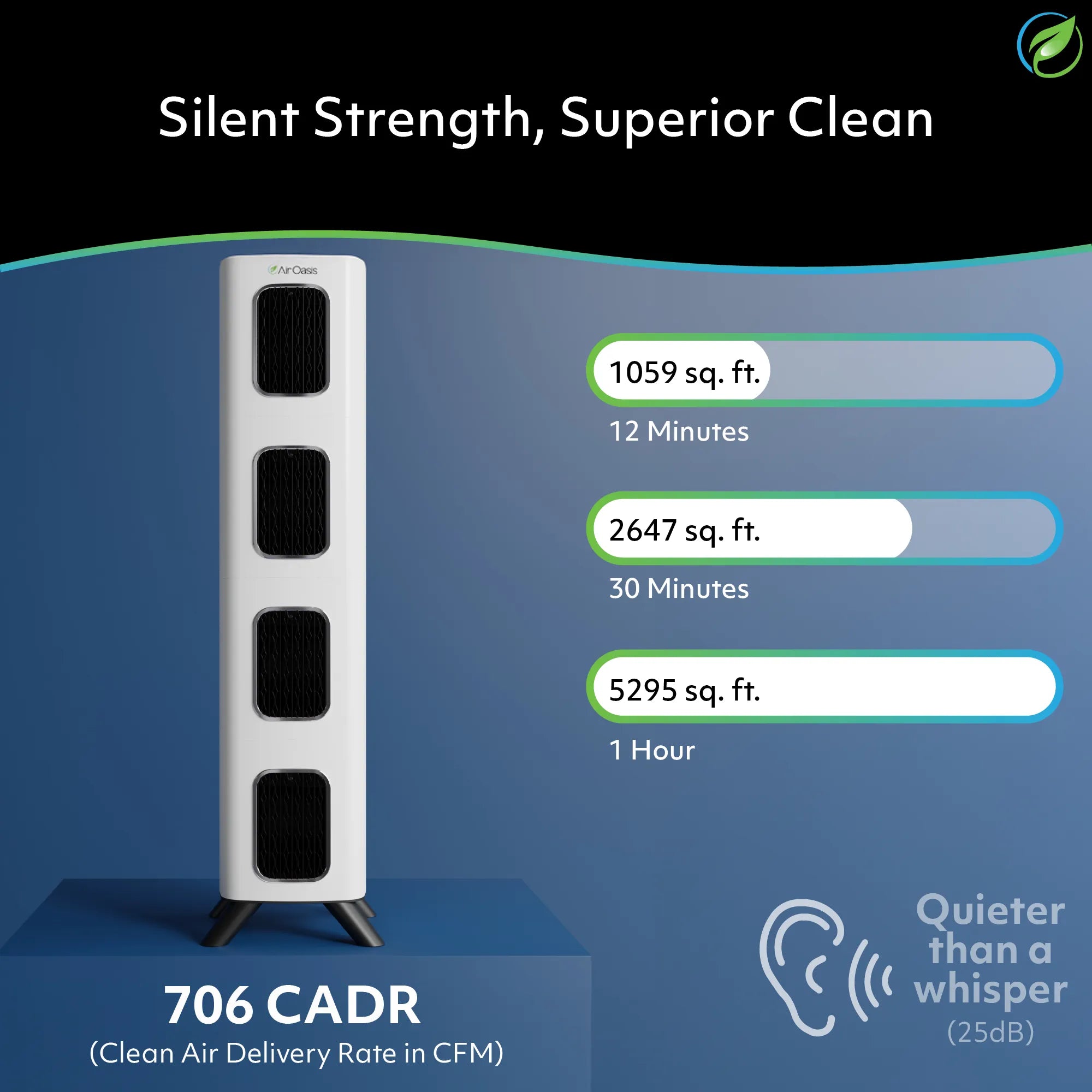
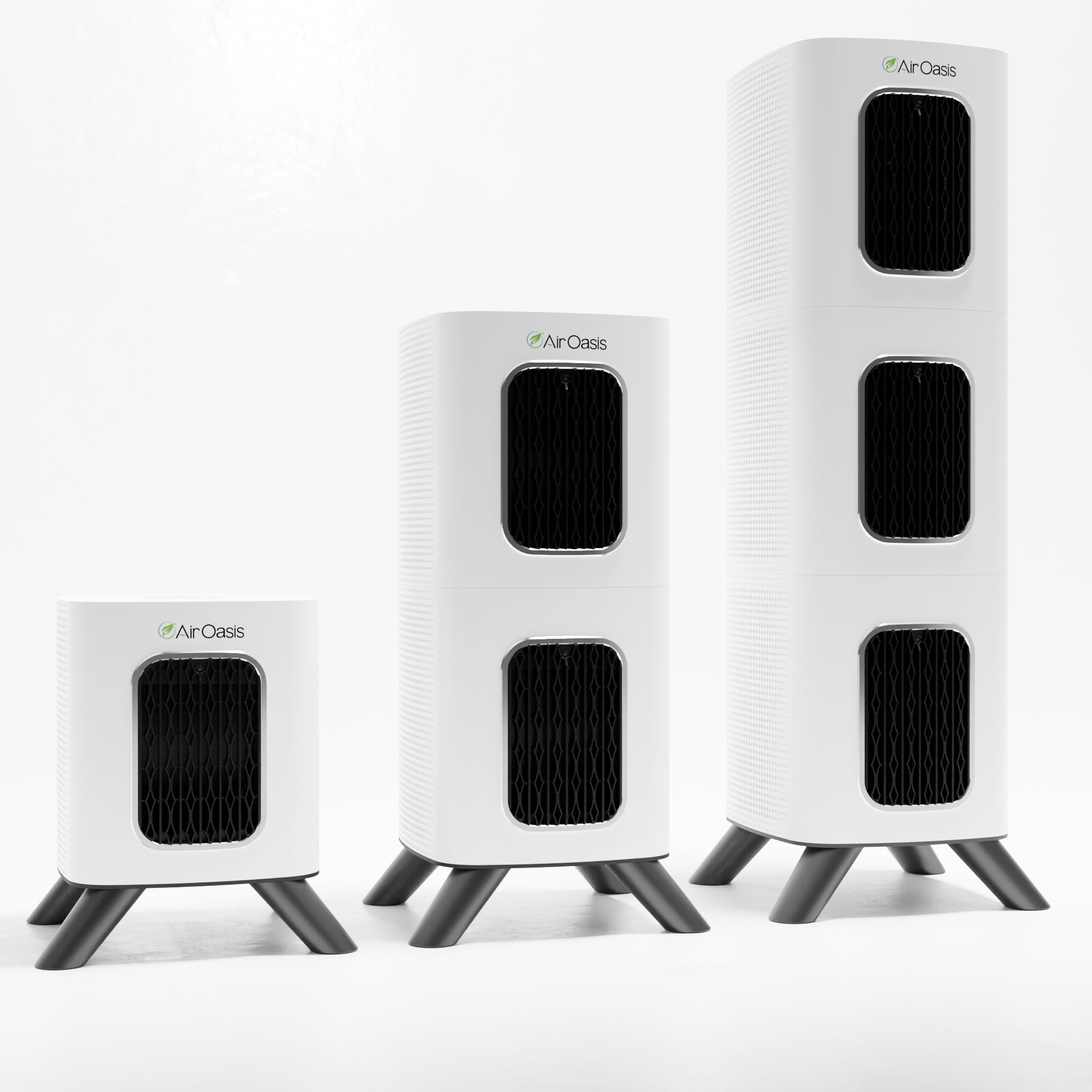
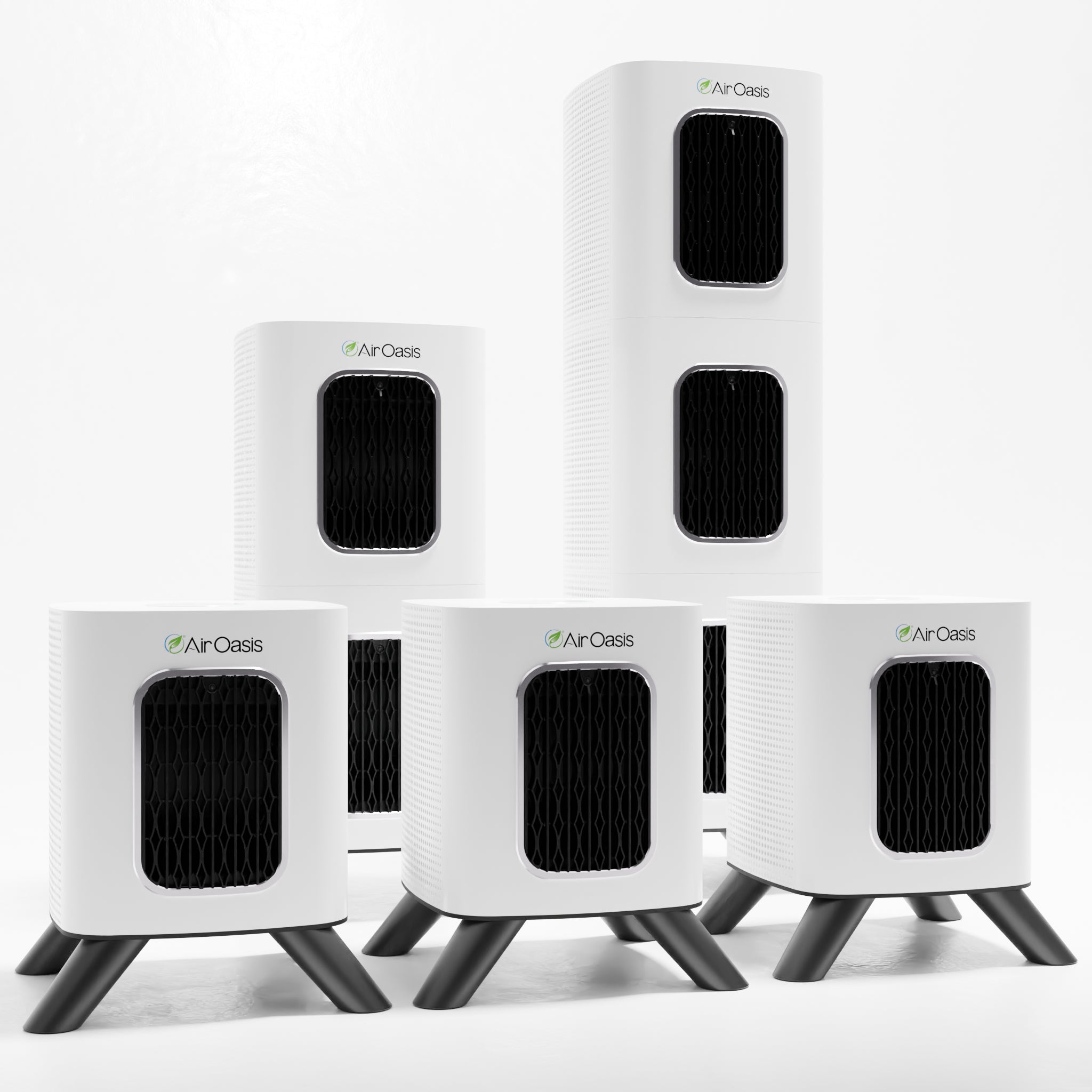
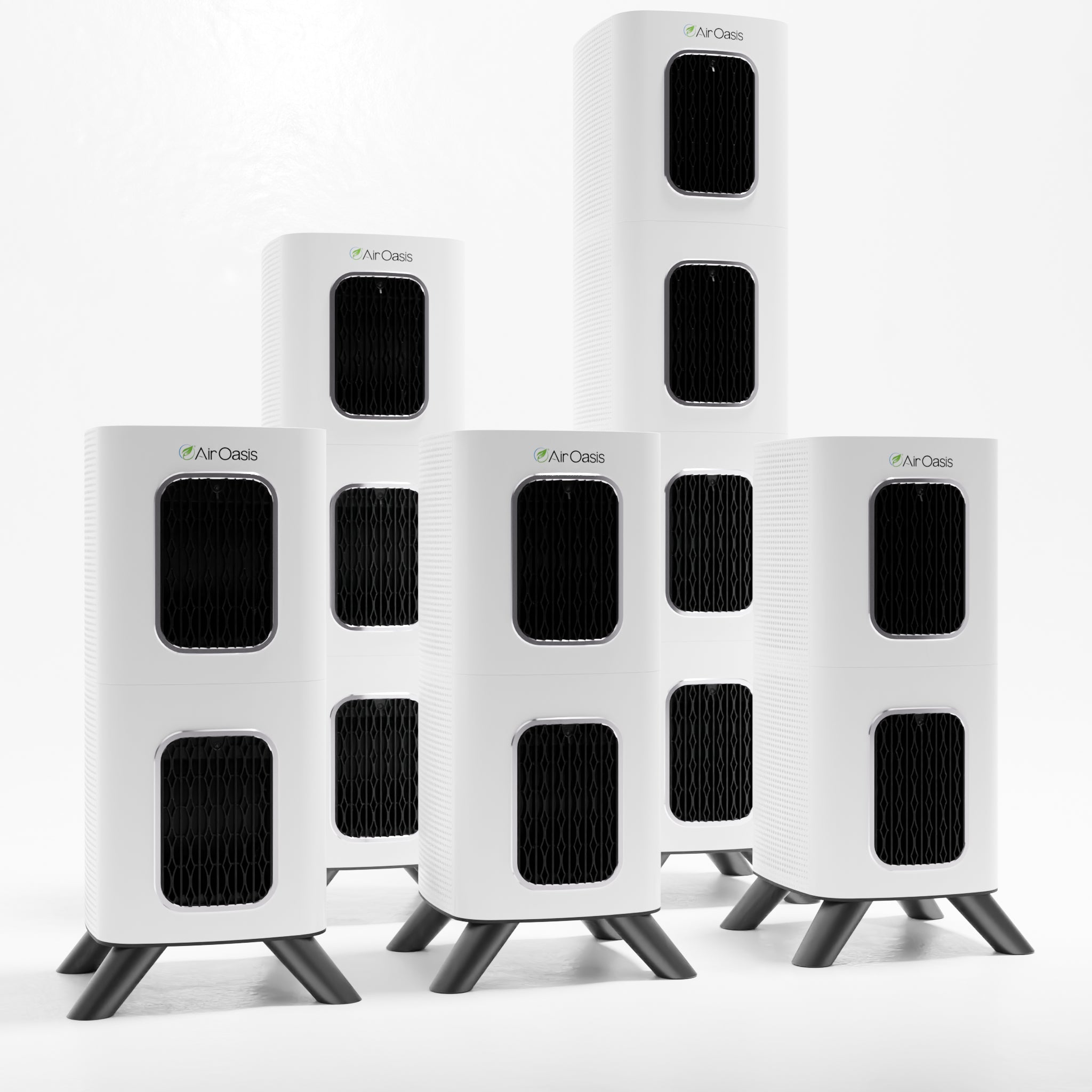
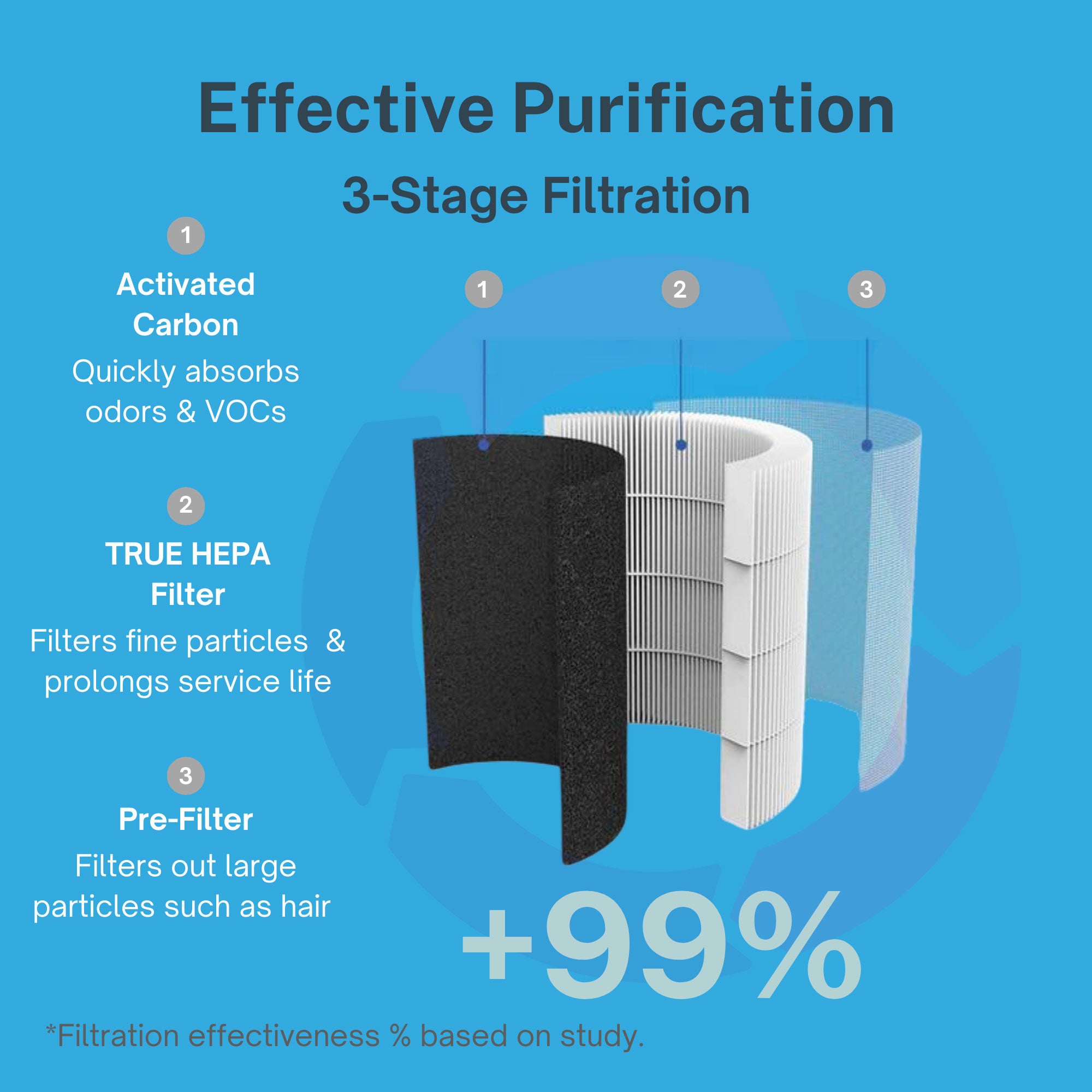
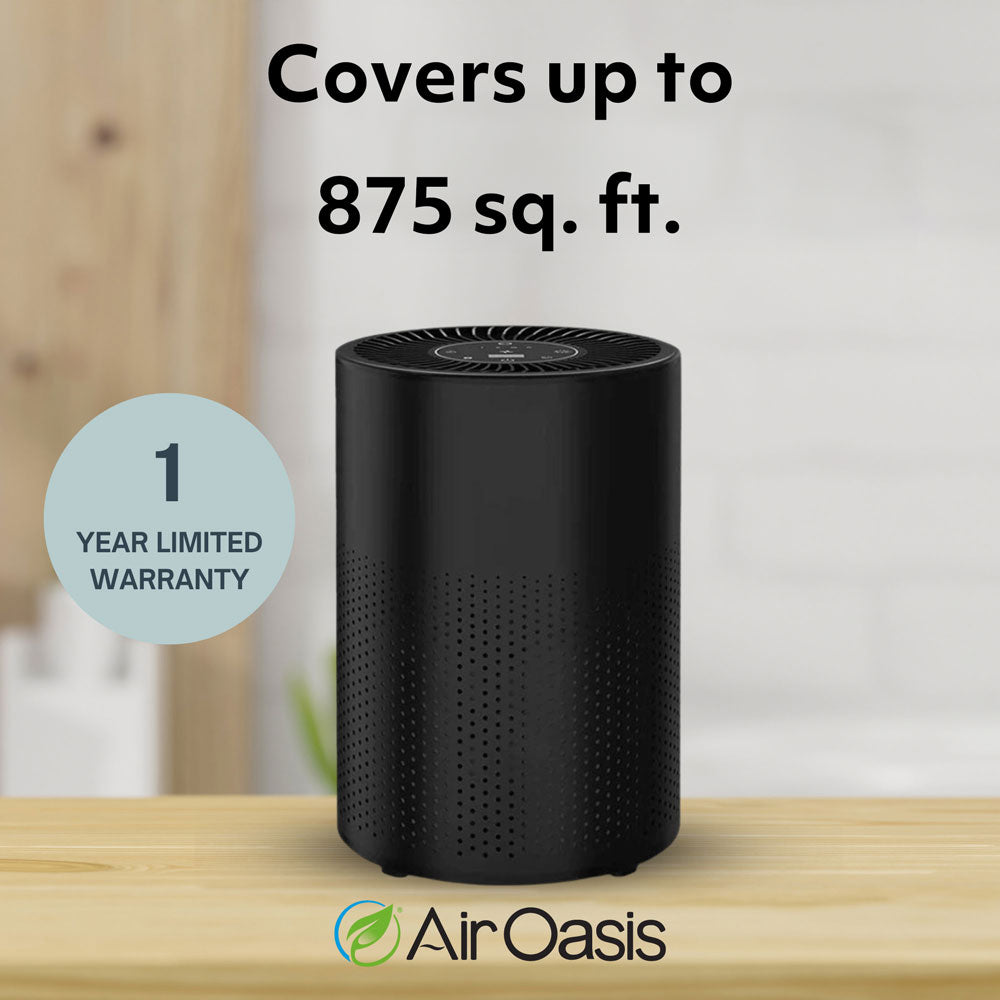
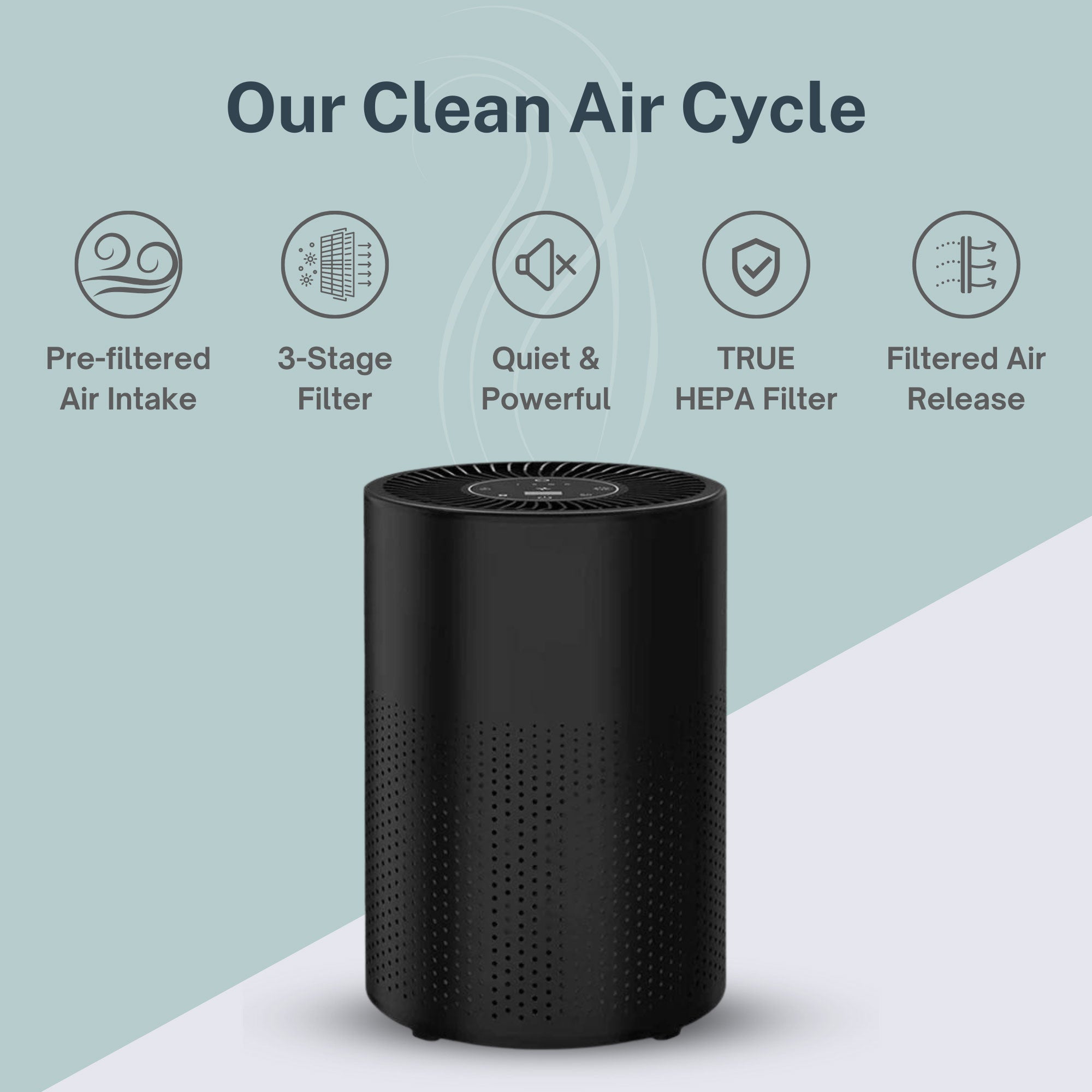
The iAdaptAir combines True HEPA filtration for particles down to 0.3 microns, activated carbon for VOCs and gaseous pollutants, UV-C light, and bipolar ionization, which causes fine particles to clump so they either settle or get captured by the filter. It's CARB-certified ozone-free, designed for continuous operation. For a living room or bedroom, the 2S covers 265 square feet, the 2M covers 530, the 2L handles 795, and the 2P handles 1,059. Always keep at least four inches of clearance on all sides, close doors and windows during operation, and size the unit to the actual room, not the smallest model that fits on paper.
A room arranged for good air circulation, with furniture pulled from walls, soft surfaces managed, and windows operable, is a room where your air purifier can do exactly what it was built to do.
Design your home for the air you breathe every day
The way a room is arranged, what it's furnished with, and how its windows are treated aren't just aesthetic choices. They're air quality choices. Small adjustments, pulling furniture away from walls, choosing lower-VOC materials, making windows easy to open, and positioning an air purifier where air flows freely, add up to a home that breathes better.
Shop Air Oasis and find the iAdaptAir model sized for your space. Breathe Better, Live Better.