You finish making dinner. The food is great. But an hour later, your living room still smells like whatever was in the pan, your eyes feel mildly irritated, and your kids in the adjacent play area were sitting in the same air the whole time you cooked. If your kitchen is open to the rest of the main floor, this isn't a minor inconvenience. It's a daily air quality event affecting every room with a sightline to the stove.
The wall that traditional kitchen layouts took for granted did something important. It contained the air quality consequences of cooking to one room. When that wall disappears, so does that containment.
What cooking actually releases into the air
Before getting to the open-concept piece, it's worth being specific about what cooking produces, because it's more than most people realize.
High-heat cooking, particularly frying, sautéing, and broiling, releases fine particulate matter, specifically PM2.5, the particles small enough to travel deep into the lungs. Research published in Environmental Science and Technology has documented that cooking can generate indoor PM2.5 concentrations that, during active cooking, rival or exceed outdoor air quality standards for particle pollution. These spikes are brief but real.
Gas stoves add a second pollutant category: nitrogen dioxide (NO2), a respiratory irritant produced by the combustion of natural gas. A study by researchers at Stanford University found that gas stoves can emit NO2 at concentrations exceeding EPA outdoor air quality standards within the kitchen during and immediately after use. In a closed kitchen, those concentrations are high but localized. In an open layout, the NO2 disperses into a much larger shared air volume.
Cooking also releases volatile organic compounds. Heated oils produce aldehydes and other VOCs. Some, like acrolein, are respiratory irritants at sufficient concentrations. The EPA classifies several cooking-related VOCs as hazardous air pollutants. Range hoods catch some of this. They don't catch all of it, and many residential hoods recirculate air through basic filters rather than venting to the outside, which means they're filtering particles but returning the airstream to the kitchen.
What an open floor plan changes about all of that
In a closed kitchen, cooking pollutants build up to high concentrations in a small space, then dissipate when you ventilate or when the cooking stops. The impact is largely contained to whoever is in the kitchen.
In an open-concept layout, there's no barrier to slow that spread. The kitchen, dining area, and living space share one continuous air volume. Particles and gases generated at the stove begin dispersing immediately into the full connected space. Research on indoor particle dynamics has found that cooking-generated PM2.5 reaches living area concentrations quickly in open floor plans, with levels across the connected space rising substantially within minutes of cooking starting.
This matters for several reasons. Children in a play area adjacent to an open kitchen are being exposed to cooking-generated particulates throughout meal preparation. A person sitting in the living room watching television during dinner cooking is breathing the same air as the person standing at the stove. The exposure is no longer limited to the cook.
The total volume of the open space also means pollutants take longer to clear once cooking ends. A small closed kitchen with the range hood running can turn its air volume over many times per hour. An open-concept main floor of 800 or 1,000 square feet has far more air to clean, and the range hood, positioned above the stove in one corner, is not particularly effective at pulling air from the far end of the living room.
The nitrogen dioxide issue deserves specific attention
For households with gas stoves in open-concept layouts, NO2 deserves its own mention. Unlike PM2.5, which can be effectively captured by HEPA filtration, NO2 is a gas. HEPA filters don't address gases. Activated carbon does absorb some NO2, though its efficiency for this specific compound is lower than for many VOCs.
The public health significance is real. NO2 is a known respiratory irritant. The American Lung Association and EPA have documented associations between residential NO2 exposure from gas stoves and increased asthma symptom frequency, particularly in children. A 2023 analysis published in the International Journal of Environmental Research and Public Health estimated that gas stove NO2 exposure may be responsible for a meaningful proportion of childhood asthma cases in the United States, though the study's authors acknowledged limitations in establishing causation at the individual level.
In an open-concept home, the NO2 generated during cooking has more space to disperse, which lowers peak concentrations compared to a closed kitchen. But it also means the entire main living area experiences some NO2 exposure during every gas-cooking event, not just the kitchen.
Ventilation is the primary intervention here. Running the range hood, choosing a ducted hood that actually vents outdoors rather than recirculating, and opening a window when outdoor air quality permits are the most effective steps for reducing NO2 in open-concept spaces. These are source-control and dilution strategies, and they work.
What the range hood can and can't do
Range hoods are designed to capture emissions directly above the cooking surface. Their effectiveness depends heavily on whether they vent outdoors or recirculate, their capture velocity, and whether they're actually being used. Research on residential range hood use has found that many households use their hoods infrequently, partly because of noise and partly because the habit isn't established.
Even a well-used, properly ducted range hood captures a portion of cooking emissions. It doesn't capture the plume that escapes sideways before rising, the emissions from pots on back burners that fall outside the capture zone, or any pollutants already dispersed at counter height or below. And in an open floor plan, by the time a plume travels from the stove to the living area, it's well past the range hood's reach.
The hood handles the concentrated burst at the source. The rest of the open-plan air needs its own management strategy.
Practical steps that actually help
Running the range hood consistently during cooking is step one, even for low-heat tasks. The habit matters more than the specific pollutant event. If your hood recirculates rather than venting outdoors, it's filtering particles but not gases. Upgrading to a ducted hood is the most effective improvement for an open-concept kitchen with a gas stove.
Opening a window during and after cooking, when outdoor air quality allows, provides dilution that no filtration system can replicate. Even cracking a window on the opposite side of the open space from the stove creates some cross-ventilation.
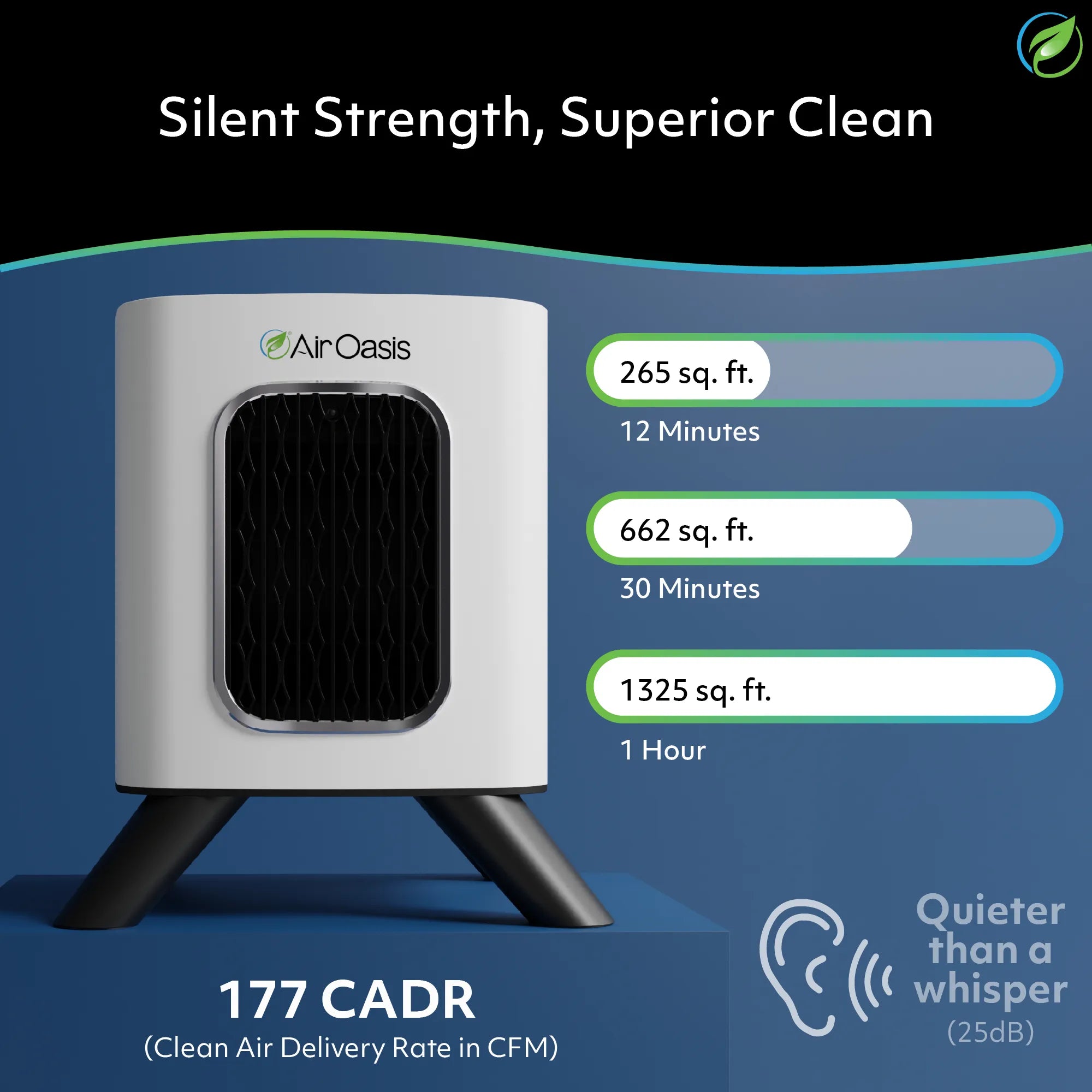
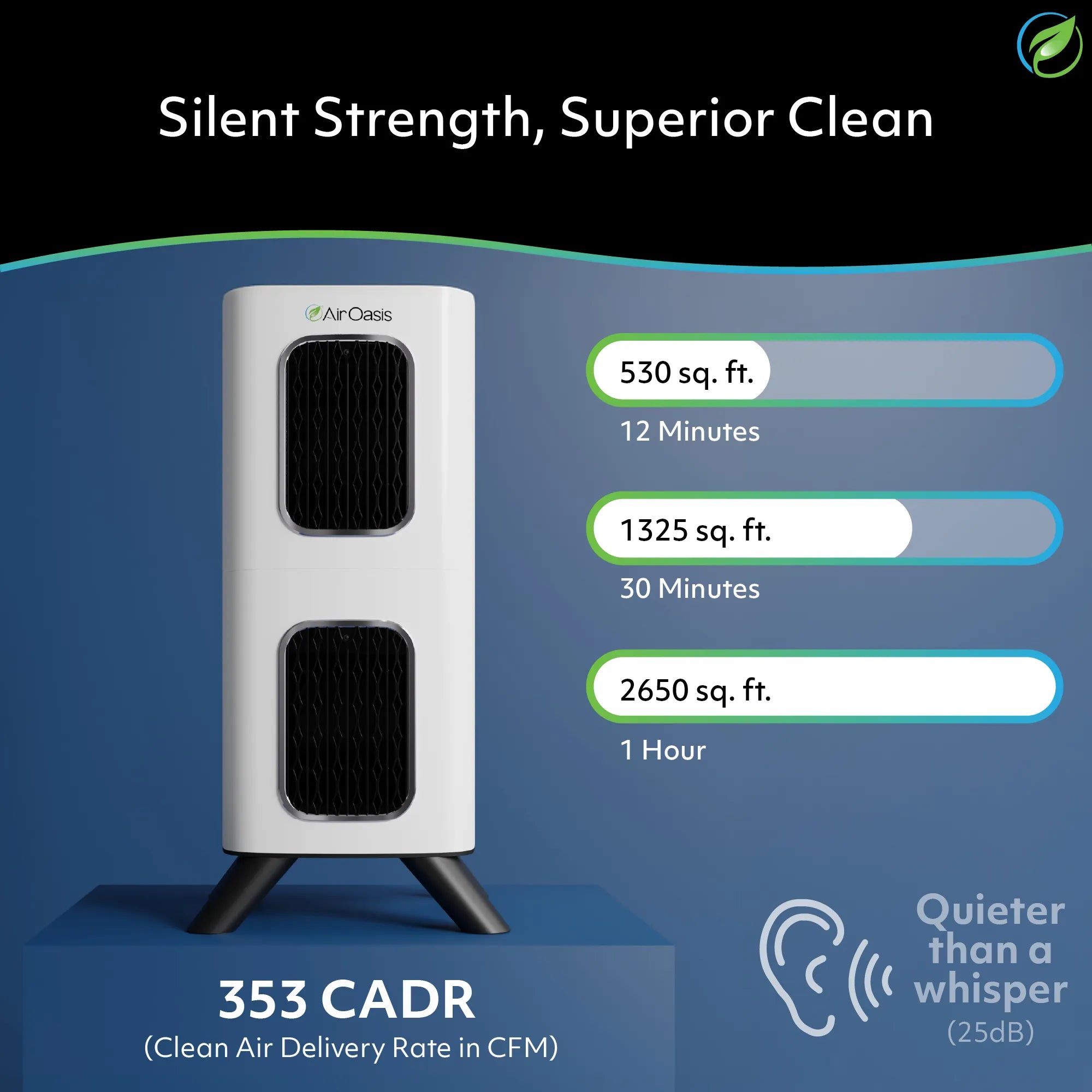
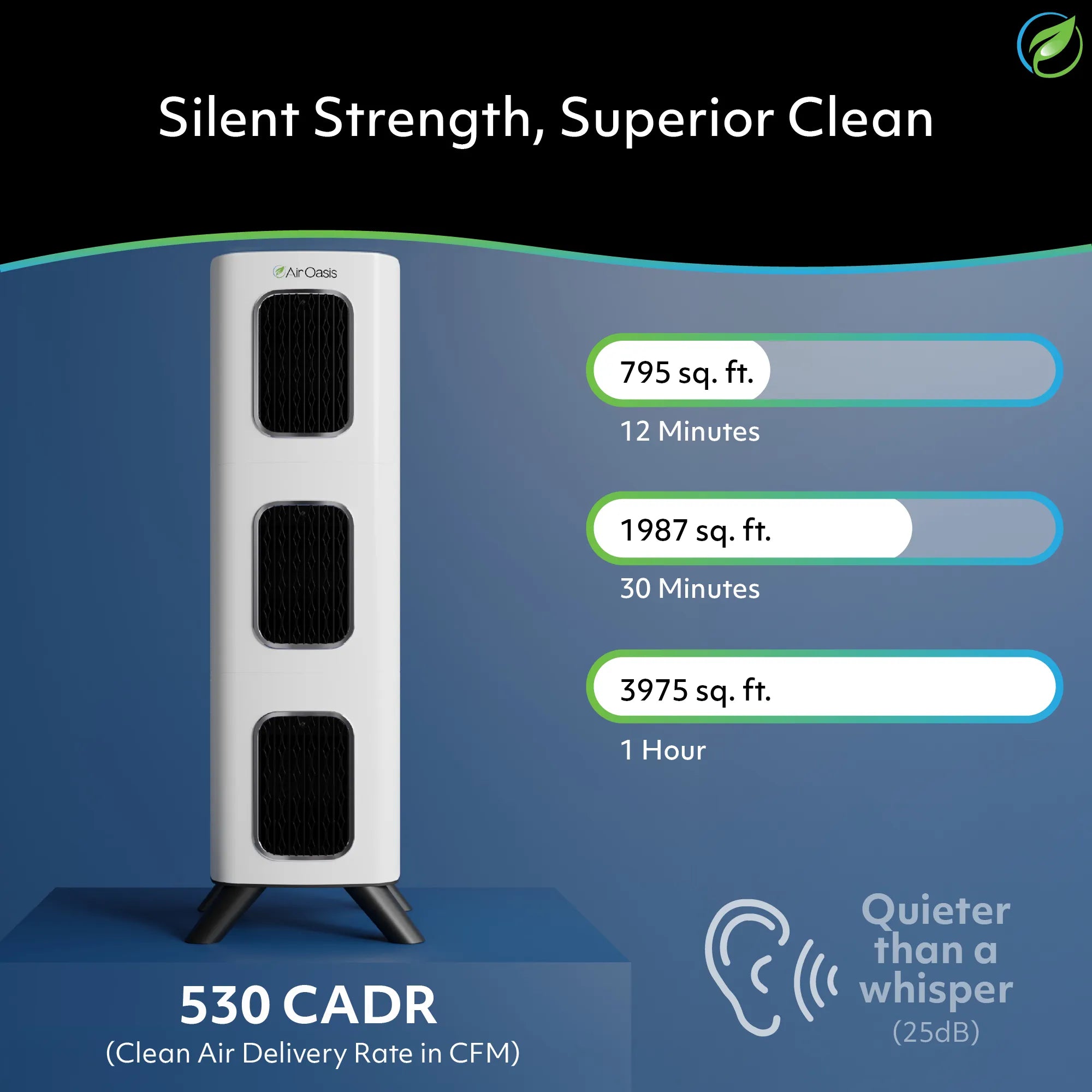
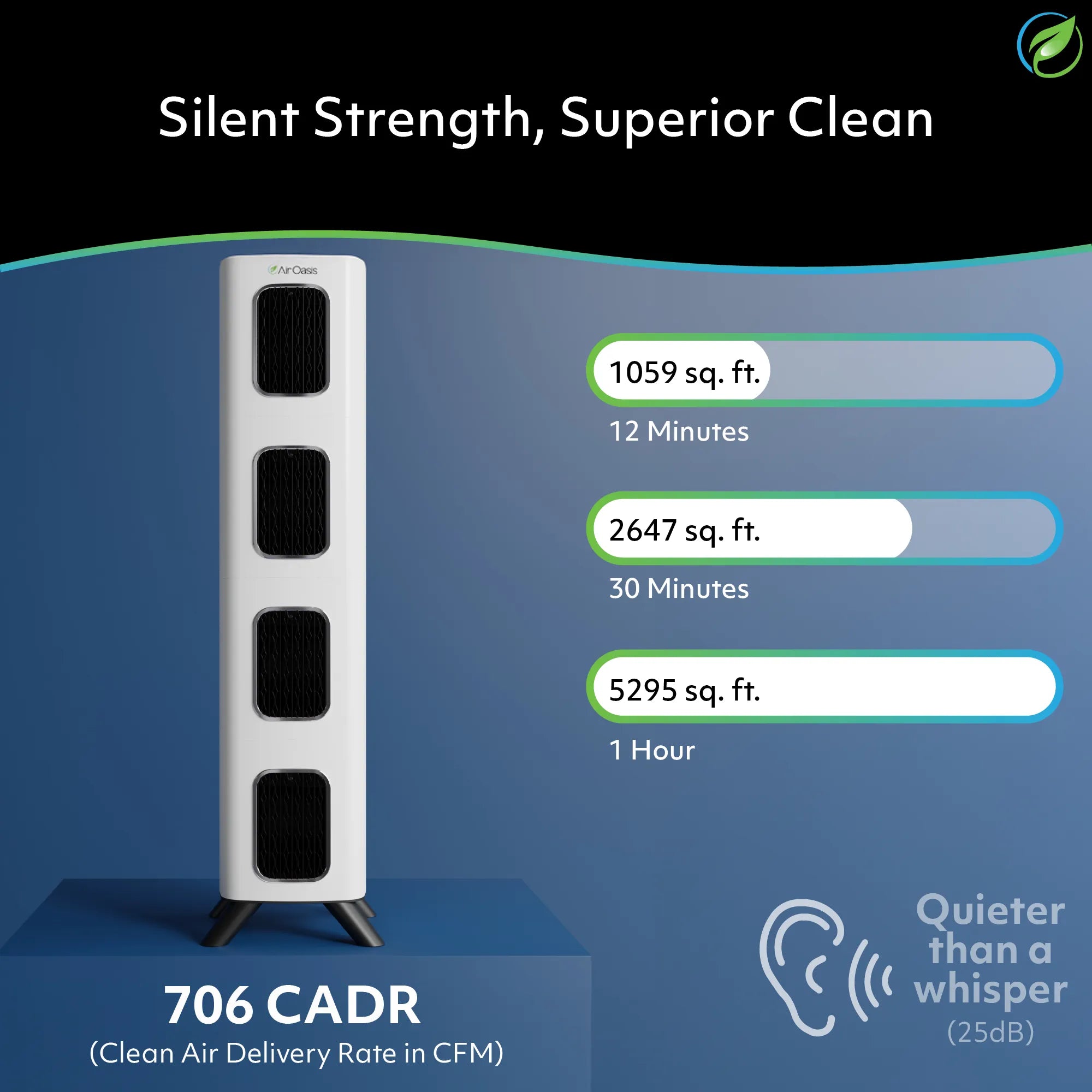
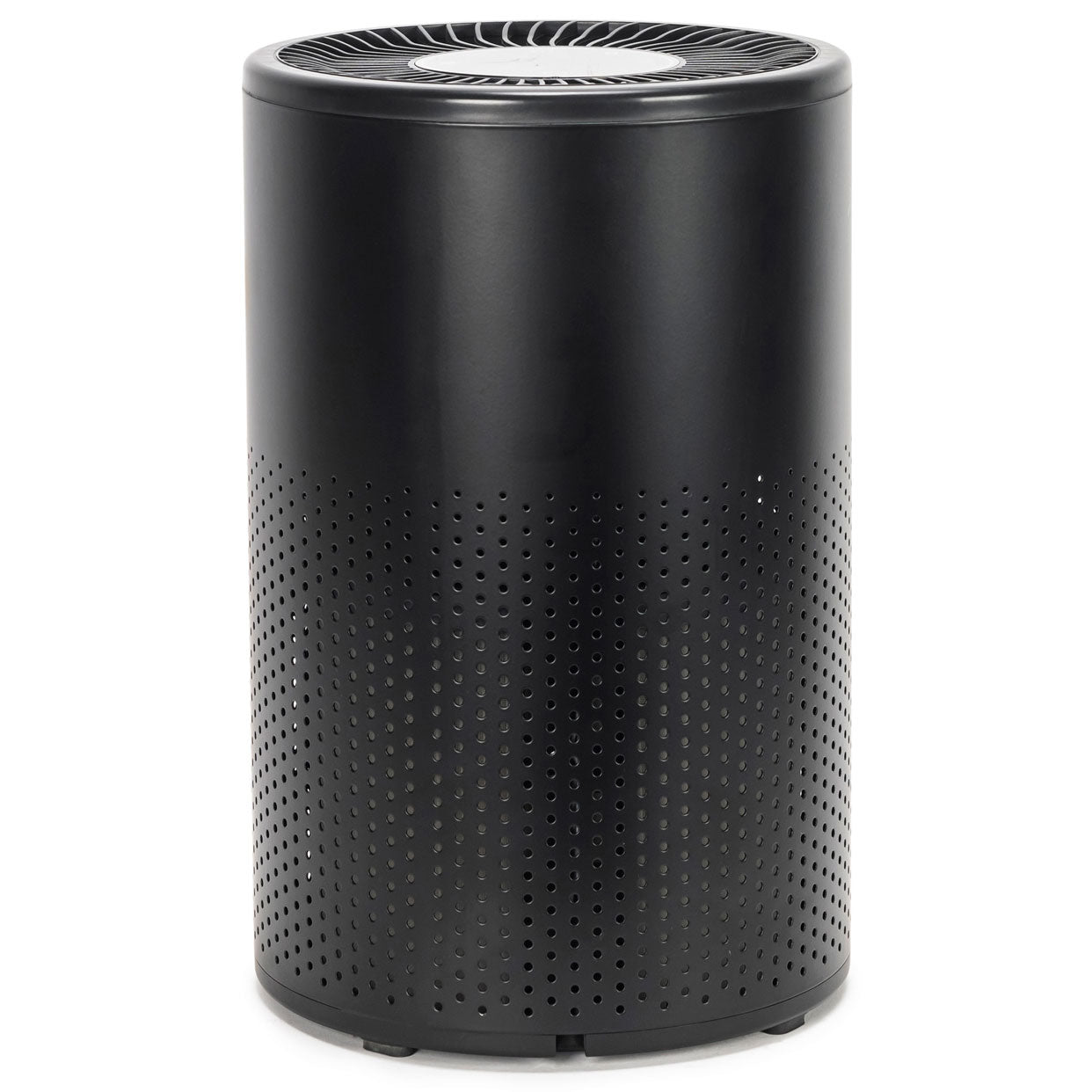
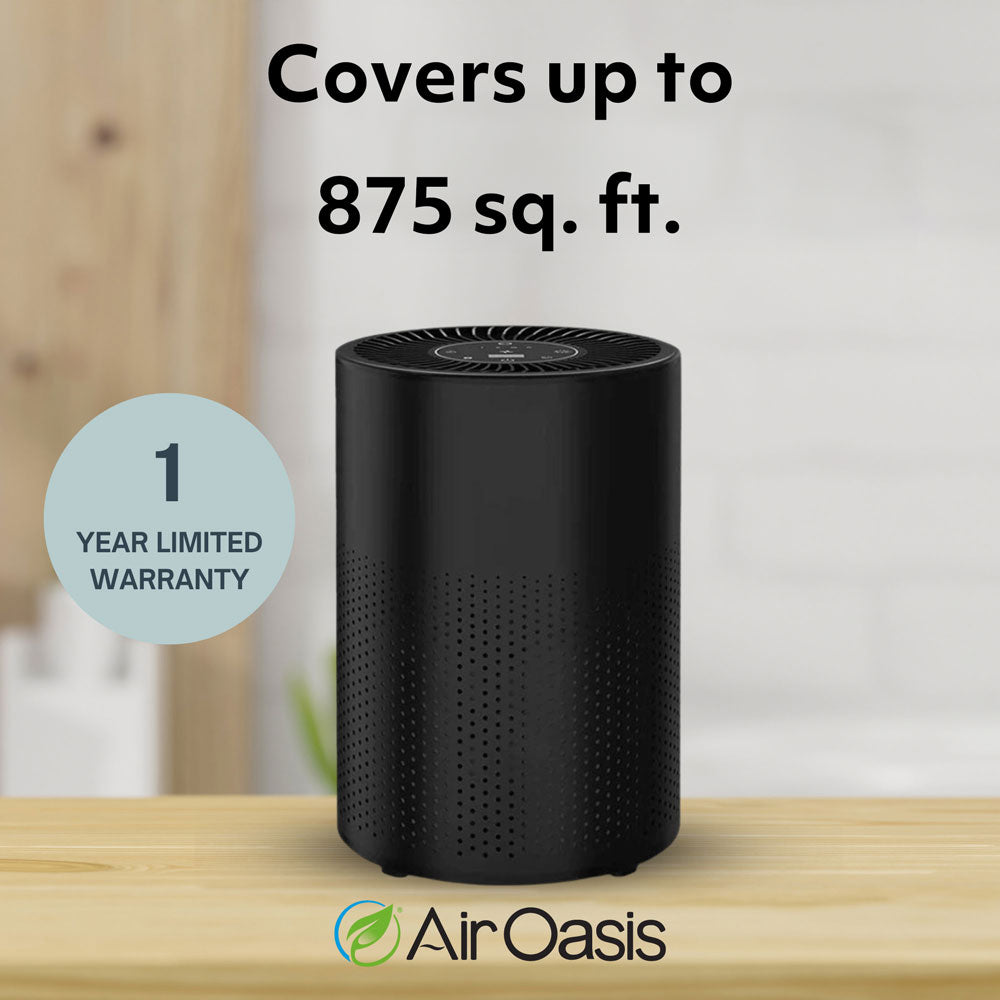
An air purifier sized for the full open-plan square footage, not just the kitchen footprint, runs in the background capturing the PM2.5 and VOCs that the range hood doesn't reach. The key word is sized. A unit built for 265 square feet doesn't meaningfully protect a connected kitchen-living-dining space of 800 square feet. You need to measure the full connected area and match a unit to it honestly.
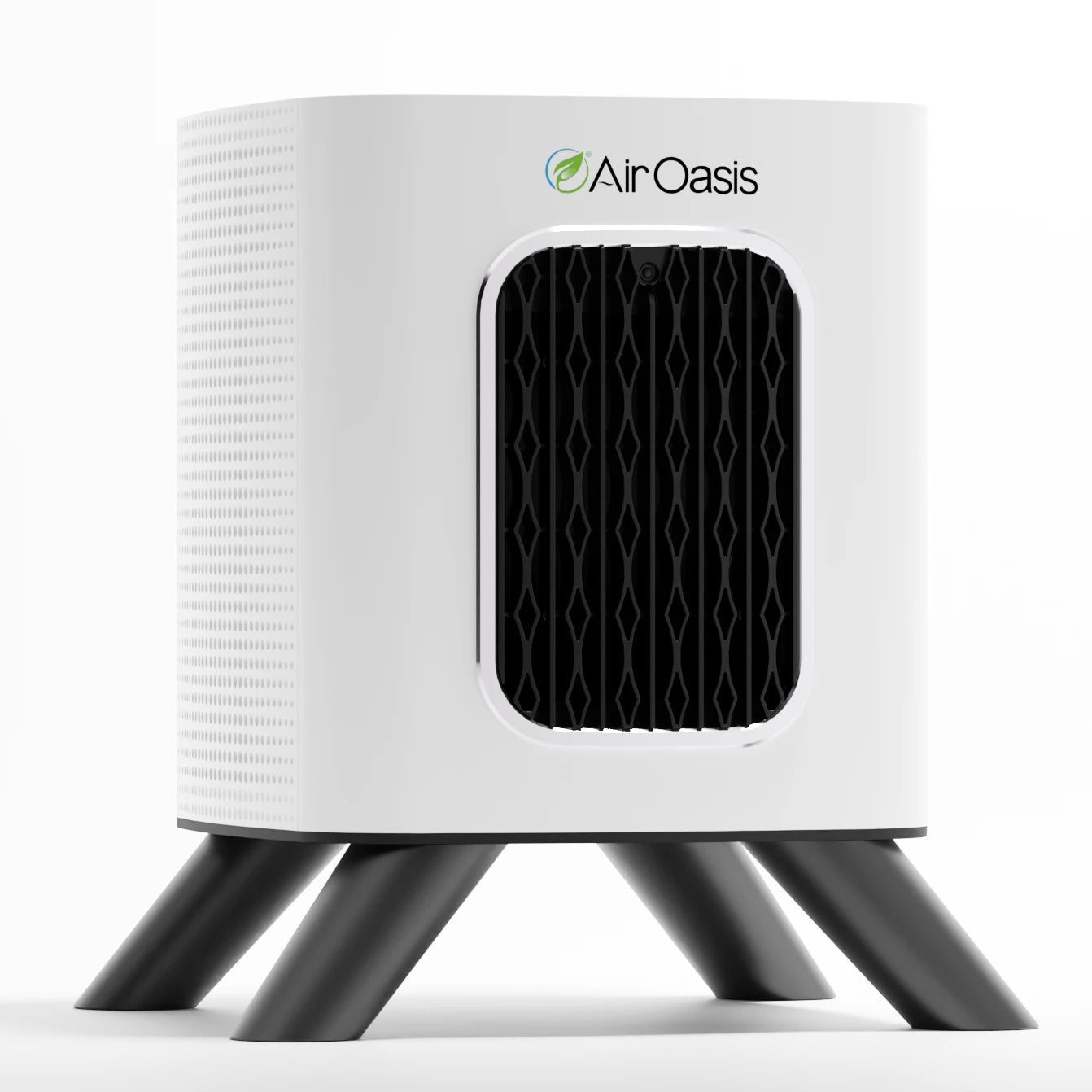
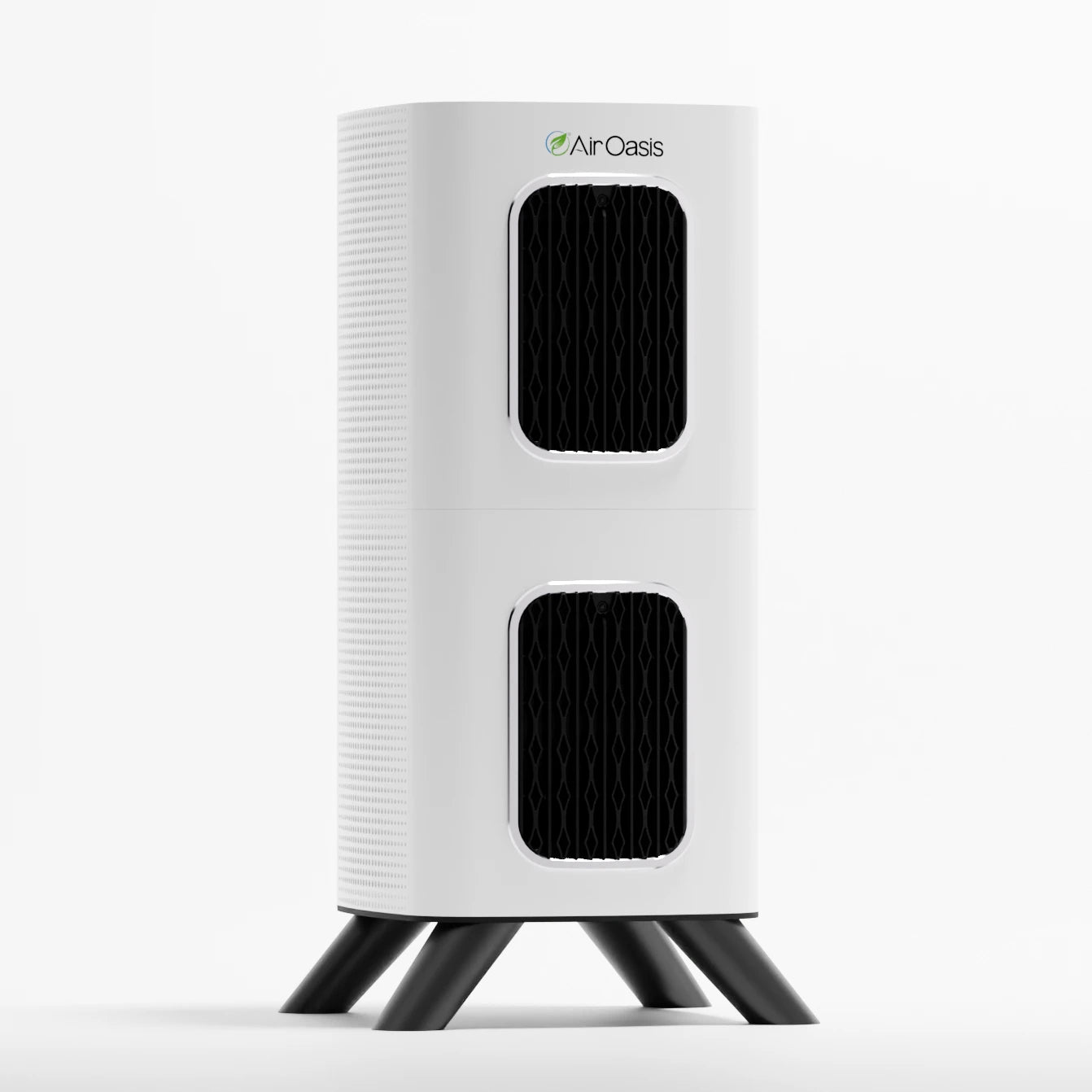
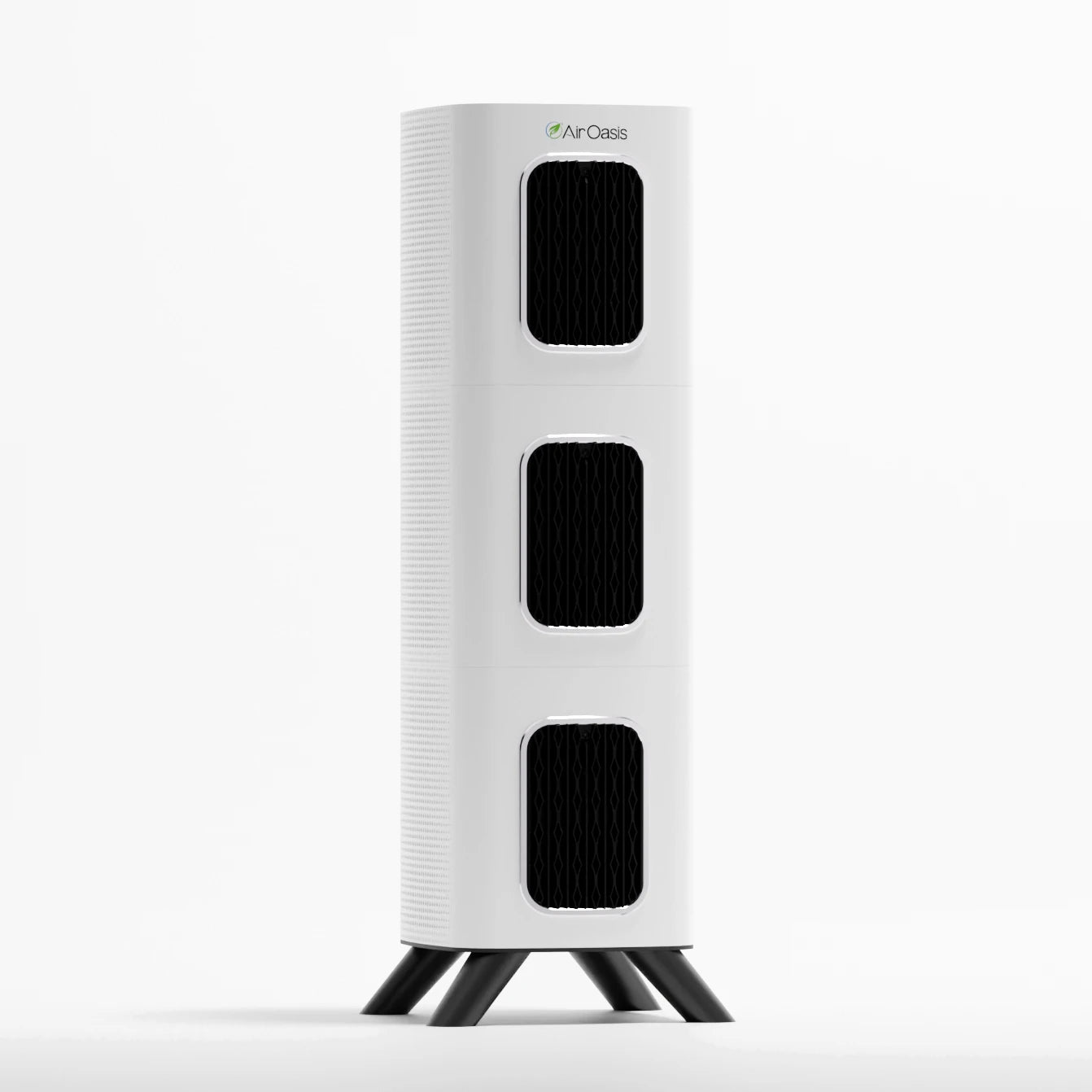
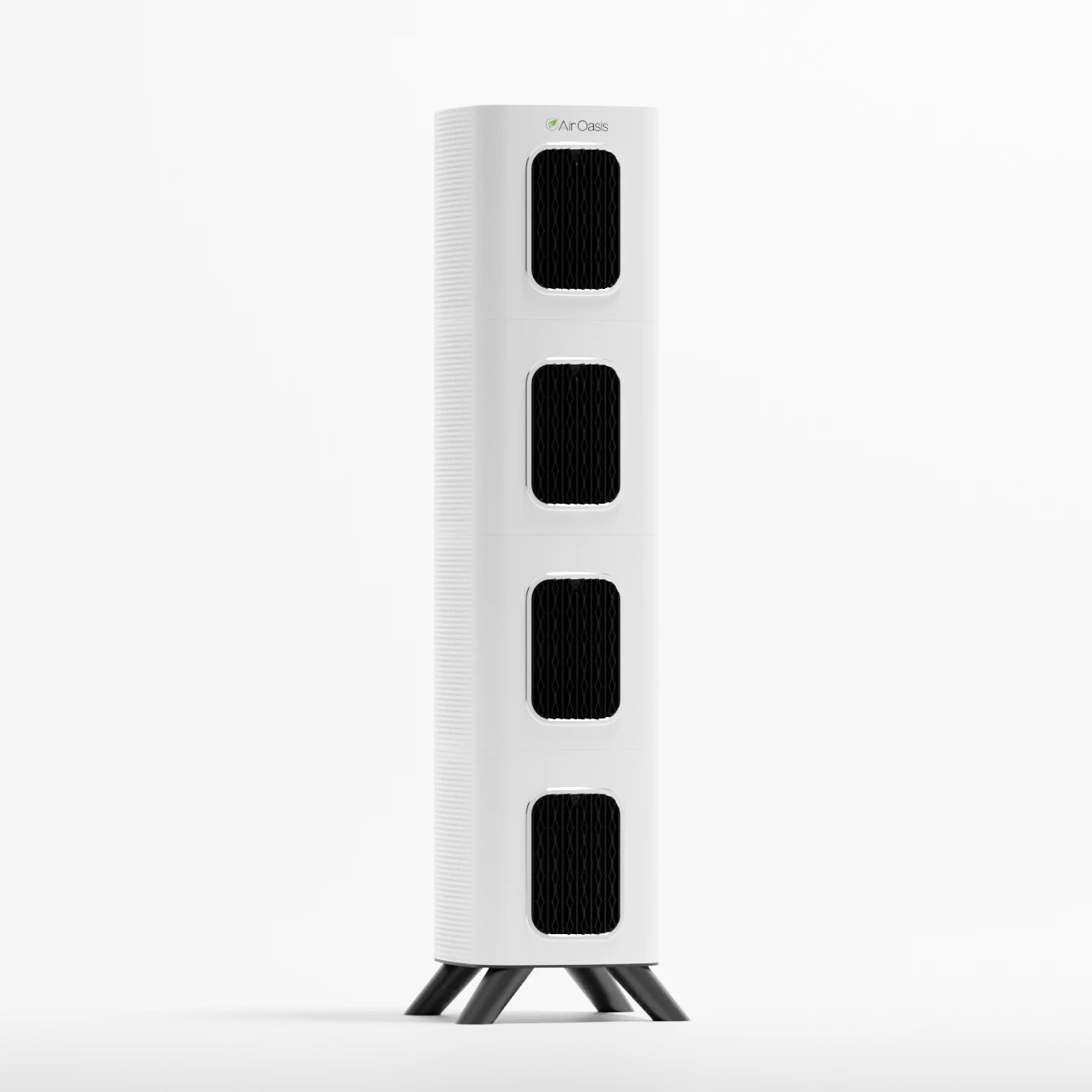
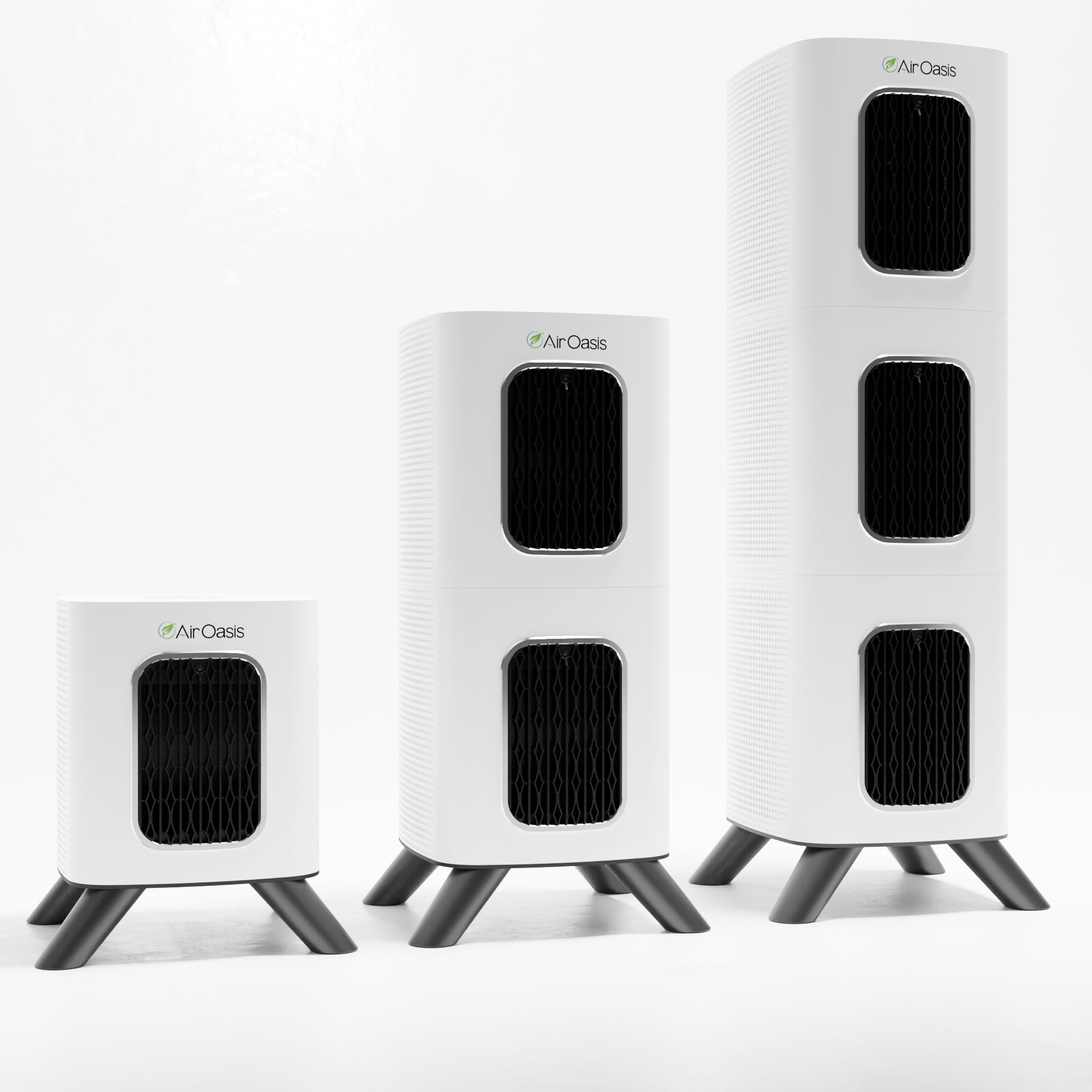
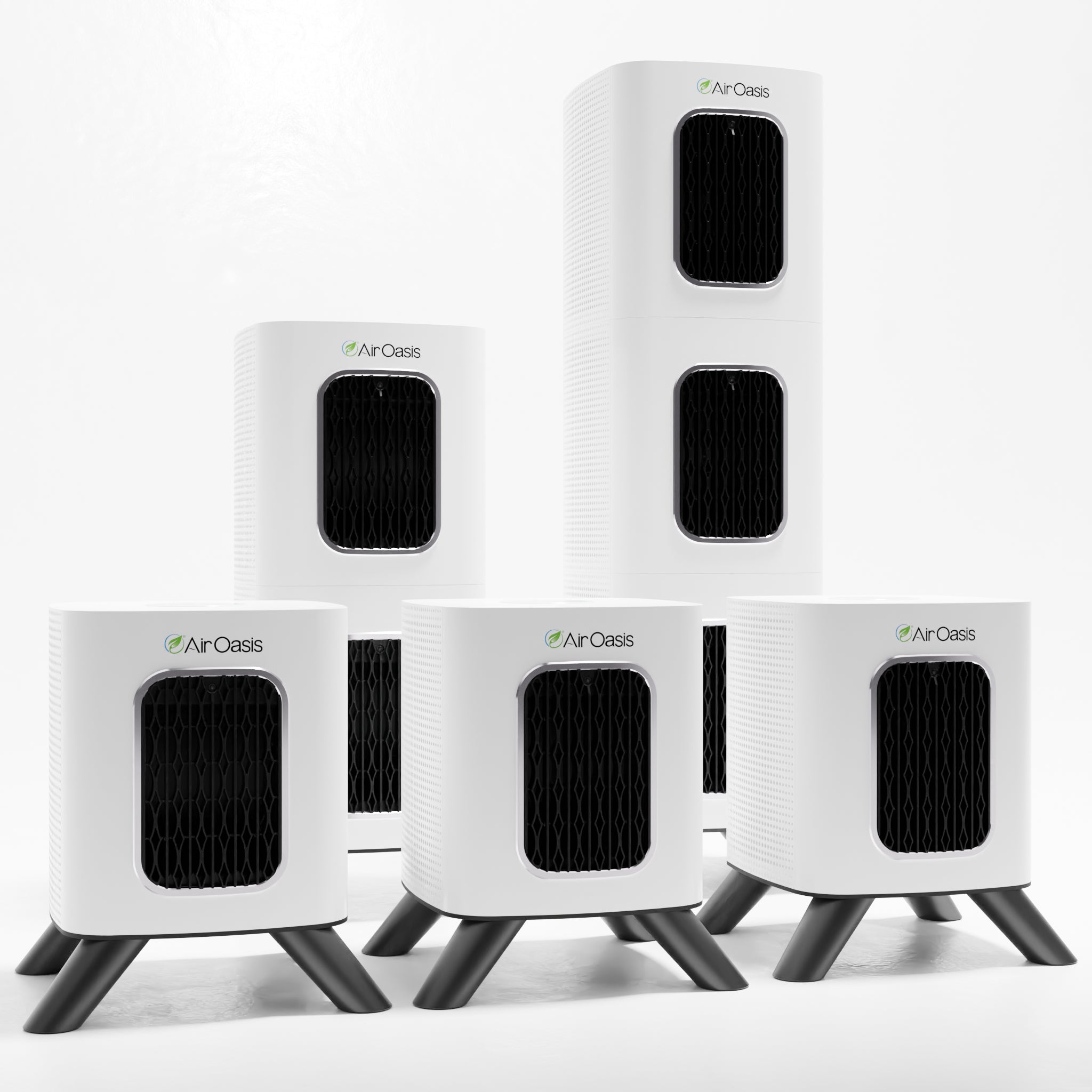
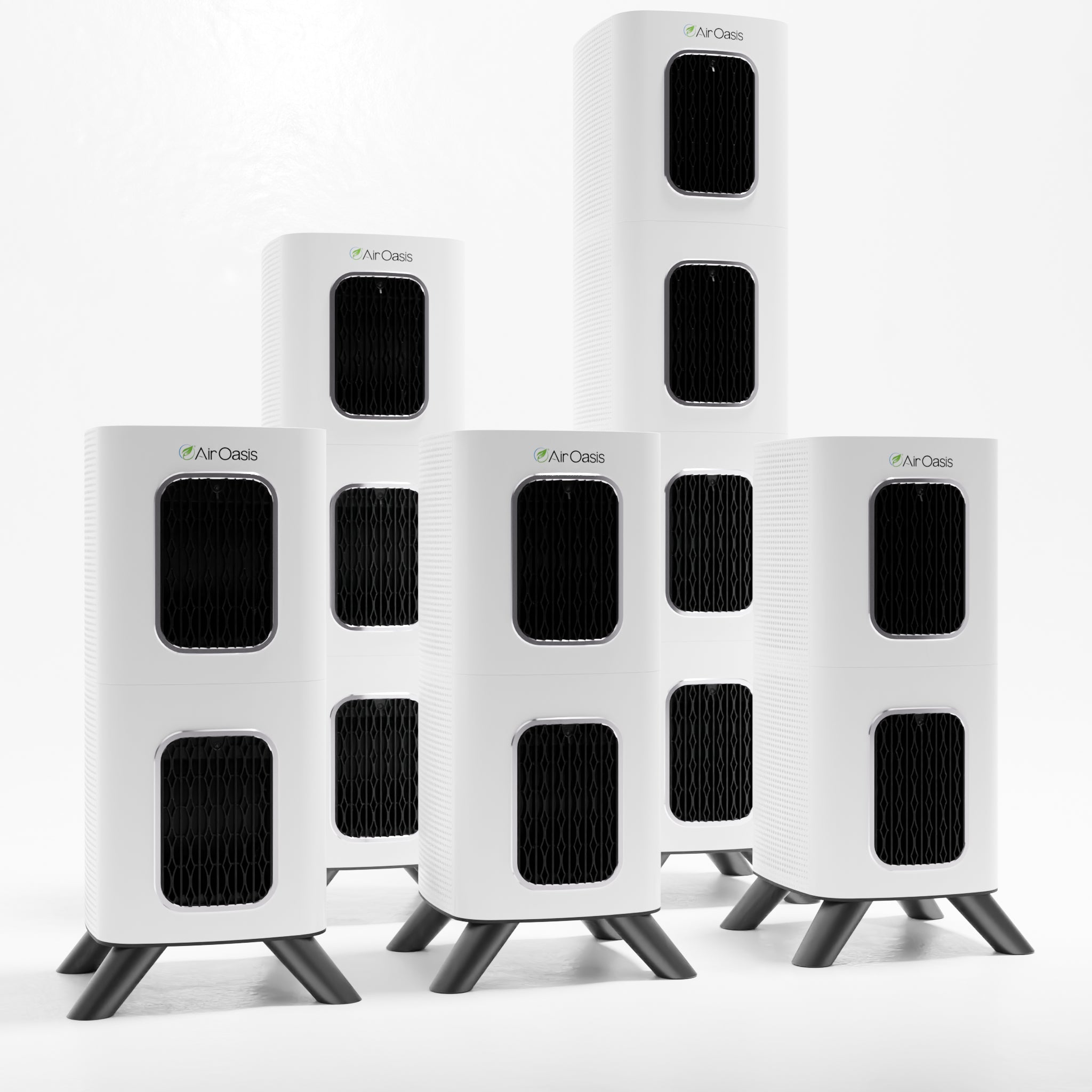
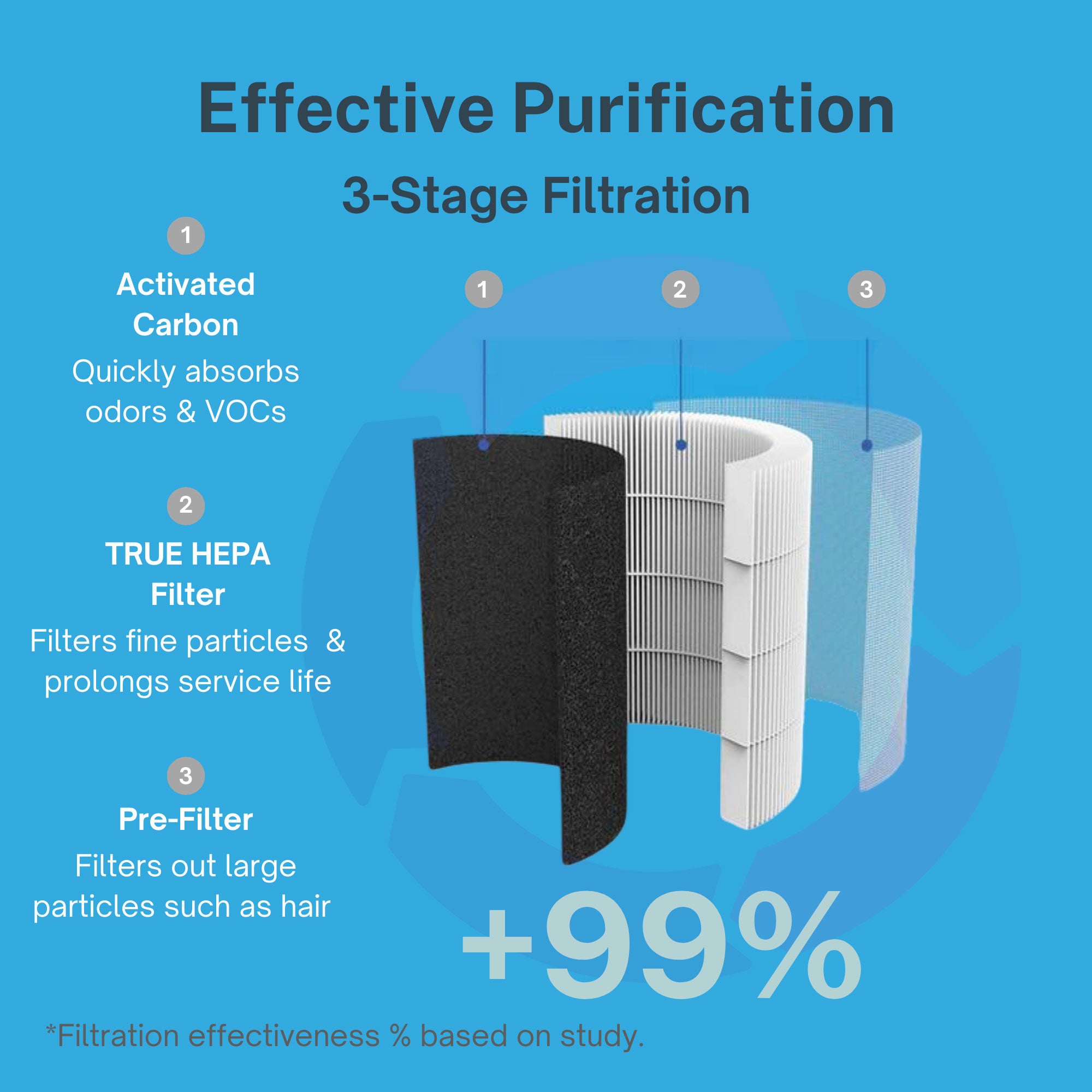
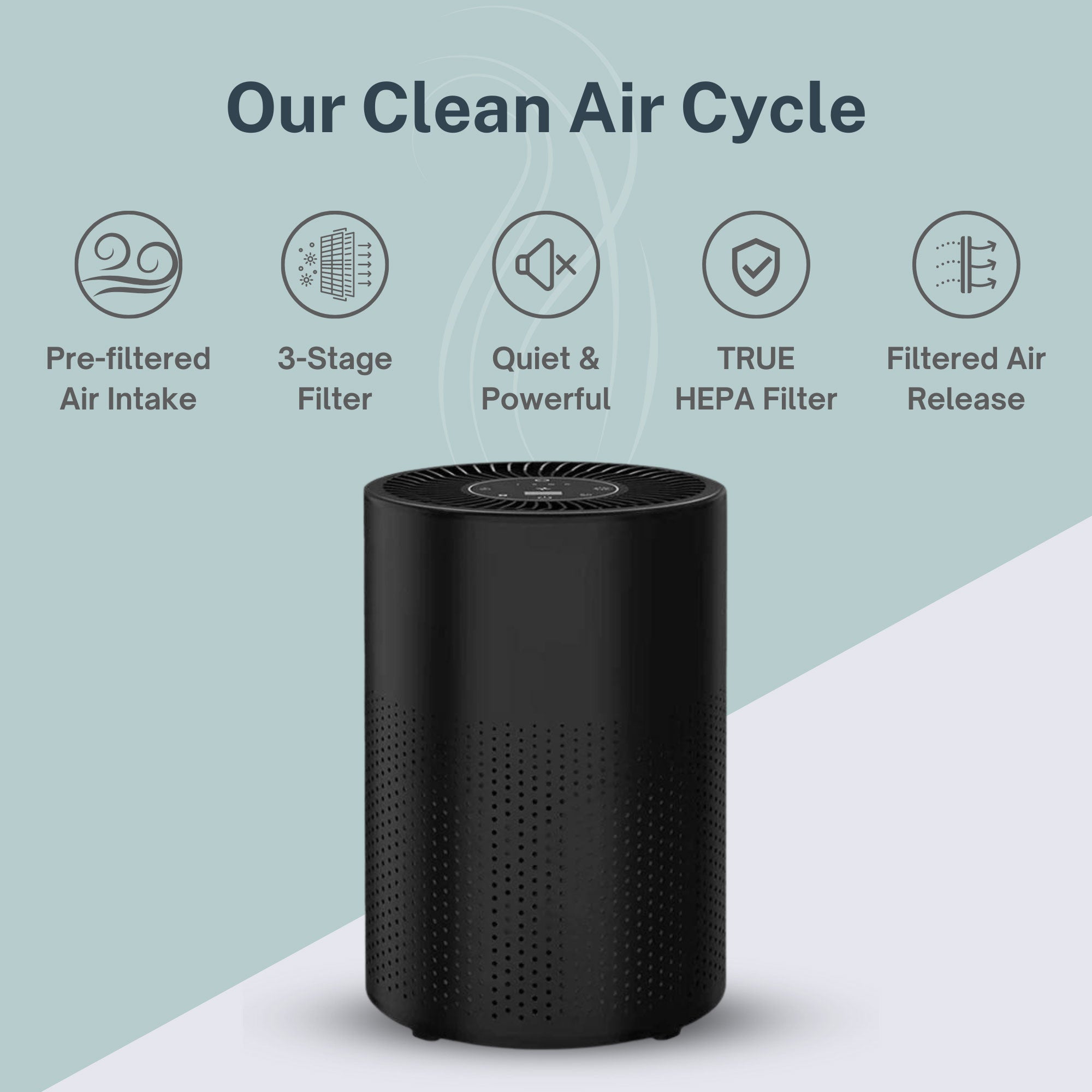
The iAdaptAir combines True HEPA filtration for fine particulate matter with activated carbon for VOCs and cooking odors, UV-C, and bipolar ionization in a CARB-certified ozone-free unit. For an open-concept main floor, the 2L at 795 square feet or the 2P at 1,059 square feet are typically where the conversation starts. Position the unit centrally in the connected space rather than in a corner, maintain four inches of clearance on all sides, and run it during cooking and for at least an hour afterward when concentrations remain elevated. Keep the windows closed while the unit runs for best performance.
Protect the air your whole family breathes every time you cook
An open kitchen is one of the best things about modern home design. Cooking together, staying connected, keeping an eye on the kids while you make dinner, these are real benefits. The air quality tradeoff is real too, and it's manageable. A ducted range hood, ventilation when possible, and an air purifier sized for the actual space you're protecting cover the ground that cooking in an open layout leaves exposed.
Shop Air Oasis and find the right iAdaptAir for your space. Breathe Better, Live Better.