You slept eight hours. You didn't drink. You weren't up late. And yet your thinking feels slow, your recall is fuzzy, and focusing on anything demanding takes real effort. It's easy to blame stress, or the mattress, or age. But there's a research question worth sitting with: what were you breathing while you slept?
The bedroom is an unusual environment from an air quality standpoint. You seal yourself into it for seven or eight hours, often with the windows closed and the door shut. You don't move much. You're not ventilating actively. And you're breathing that air continuously, including during the sleep stages when your brain is doing its most important consolidation and recovery work.
The study worth knowing about
In 2015, researchers at the Technical University of Denmark published a controlled experiment in BMJ Open that looked directly at this question. The study, led by Peter Ole Strøm-Tejsen and colleagues, recruited 17 college-aged volunteers who slept in a purpose-built test bedroom over four nights. The bedroom conditions were varied in a controlled way: some nights the room had higher ventilation rates, some nights lower. Ventilation was the only variable changed.
Each morning after waking, participants completed standardized tests measuring next-day cognitive performance, sleepiness, and how rested they felt. The results were clear and specific. On nights with lower ventilation, participants woke with significantly higher sleepiness scores, reported worse sleep quality, and performed measurably worse on a cognitive test measuring logical thinking. On better-ventilated nights, the same people performed better, felt more rested, and reported their sleep as higher quality.
The researchers also measured CO2 as a marker of ventilation adequacy. On low-ventilation nights, bedroom CO2 rose considerably higher than on well-ventilated nights. The association between higher CO2, lower cognitive performance, and worse sleep quality was consistent across participants.
This matters for a specific reason. This wasn't an observational study linking air quality in neighborhoods to cognitive outcomes over years. It was a controlled experiment in actual bedrooms, measuring actual people the morning after actual sleep. The effect was detected in healthy young adults with no respiratory conditions. The only variable was the air they breathed overnight.
Why the bedroom accumulates pollutants overnight
The Strøm-Tejsen study used CO2 as its primary marker, but bedroom air at night accumulates more than exhaled carbon dioxide.
When you close the bedroom door and windows for the night, you create a sealed environment. Ventilation drops to near zero. Whatever is in the room, whatever you brought in, whatever off-gases from your mattress, furniture, flooring, or bedding, stays in the room with you. Concentrations of pollutants that were diluted during the day when you moved through a larger air volume can build steadily across eight hours of minimal ventilation.
VOCs are the most common category. Furniture made with pressed wood composites, carpet adhesives, paints, waterproofing treatments, and many synthetic textiles off-gas volatile organic compounds at room temperature. During the day, these compounds are diluted into the larger air volume of your home and partially flushed out through normal air exchange. In a sealed bedroom at night, they accumulate. The overnight period represents the longest continuous low-ventilation exposure most people experience all day.
Fine particulate matter, PM2.5, presents differently. It doesn't off-gas, but particles already suspended in the air continue circulating until they settle or are captured by a filter. Particles stirred up during the day by movement, vacuuming, cooking, or outdoor infiltration may still be airborne when you go to bed. In a room with no active filtration and minimal air movement, they settle slowly.
How poor sleep air quality translates to morning cognitive impairment
The pathway from overnight air quality to next-morning thinking is not simple or direct, but the Strøm-Tejsen study points toward a plausible mechanism that other research supports.
Elevated CO2 and poor ventilation during sleep are associated with more fragmented sleep and reduced time in restorative sleep stages, particularly slow-wave sleep and REM sleep, where memory consolidation and cognitive restoration primarily occur. A 2025 narrative review published in the journal Indoor Air synthesizing human sleep studies from 2000 to 2024 found that PM2.5 and CO2 accumulation in poorly ventilated bedrooms are associated with increased sleep fragmentation. Fragmented sleep produces the same morning cognitive effects as shorter sleep: worse recall, slower processing, reduced working memory, and higher subjective fatigue.
The cognitive impairment measured in the Strøm-Tejsen study, lower performance on logical thinking and higher perceived sleepiness, is consistent with what you'd expect from disrupted sleep architecture. You may not know your sleep was fragmented. You may have slept a full number of hours. But the restorative processes that depend on uninterrupted sleep cycles were interrupted, and the functional result shows up in how you think the next morning.
The CO2 and particle problem require different tools
This is a point worth being direct about, because it affects what you can actually do.
CO2 accumulation in a bedroom is a ventilation problem. Air purifiers do not remove carbon dioxide. HEPA filters capture particles; activated carbon captures certain gases and VOCs. Neither technology addresses CO2. If the Strøm-Tejsen study's ventilation effect is what you're primarily concerned about, the solution is more fresh air exchange, not more filtration. Cracking a window before sleep, leaving the bedroom door open when outdoor air quality allows, or installing an energy recovery ventilator in your home are the relevant interventions for CO2.
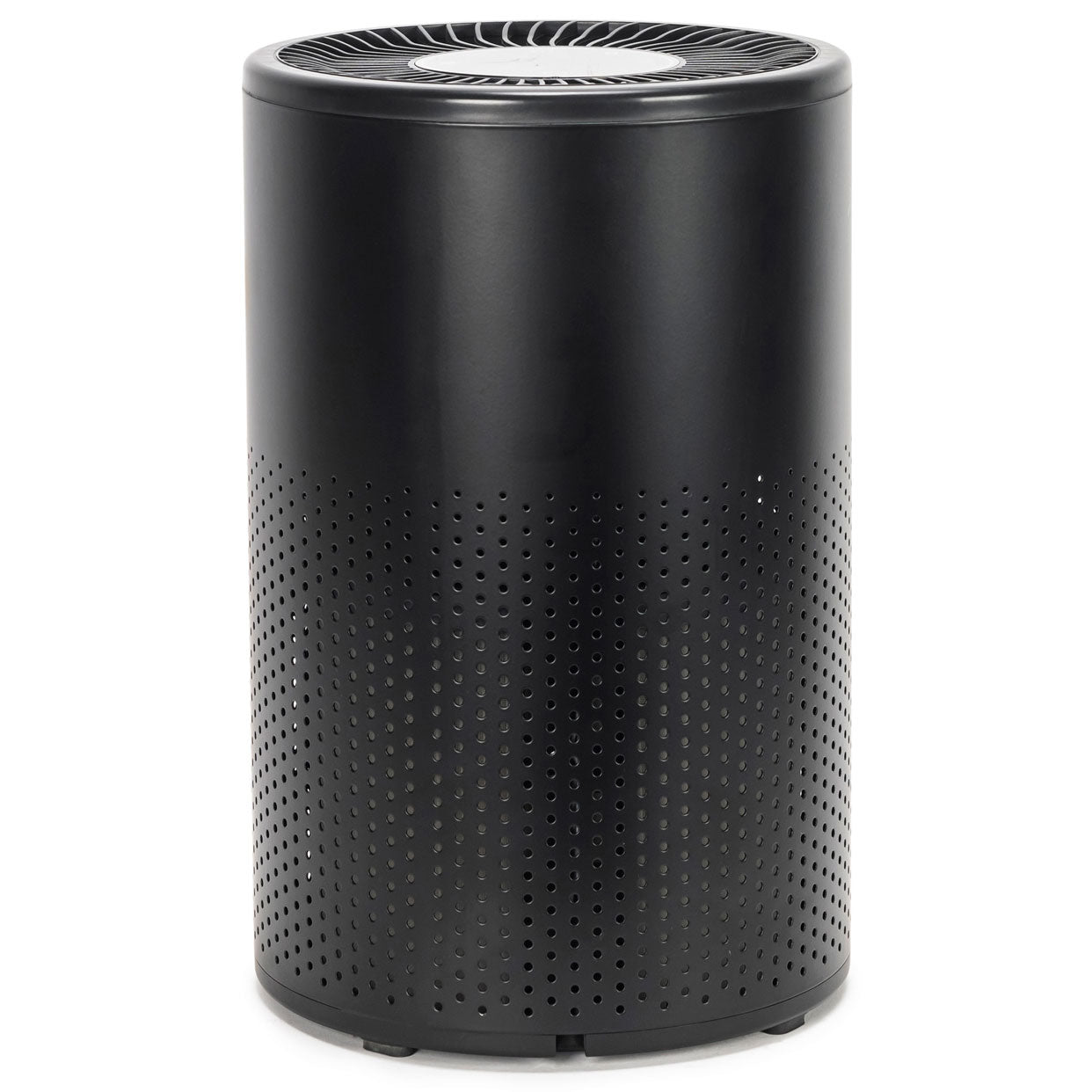
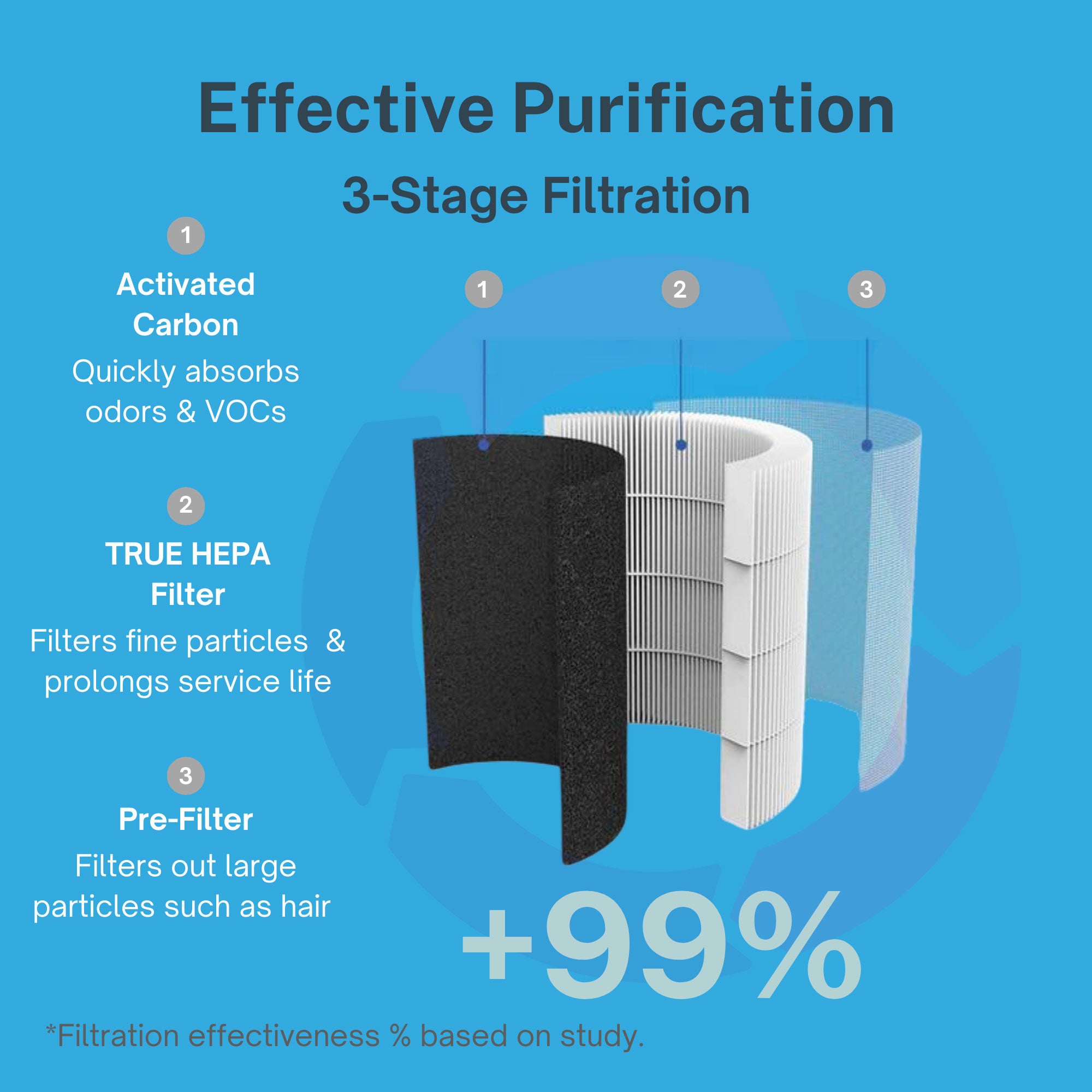
Fine particulate matter and VOCs, on the other hand, are exactly what air purification is built for. True HEPA filtration captures PM2.5 and finer particles down to 0.3 microns, pulling them out of the air you breathe all night. Activated carbon adsorbs VOCs, including the off-gassing compounds from bedroom materials that accumulate in a sealed overnight environment. Running a properly sized purifier throughout the night continuously reduces the particle and VOC load in the room's air.
These two approaches, ventilation for CO2 and filtration for particles and VOCs, are complementary. Ventilating without filtration means outdoor pollutants enter with the fresh air. Filtering without ventilating leaves CO2 unaddressed. The most complete approach uses both, particularly during seasons or in locations where outdoor air quality makes ventilation a tradeoff rather than a straightforward choice.
What this means practically for your bedroom
The bedroom is where the evidence most strongly supports prioritizing clean air. You spend more consecutive hours breathing the same air there than anywhere else in your home. The cognitive and restorative functions you most depend on the next day happen precisely in those hours. And the evidence, anchored now by a controlled trial rather than just epidemiological associations, suggests that the air quality in that room has a measurable effect on how you function after you leave it.
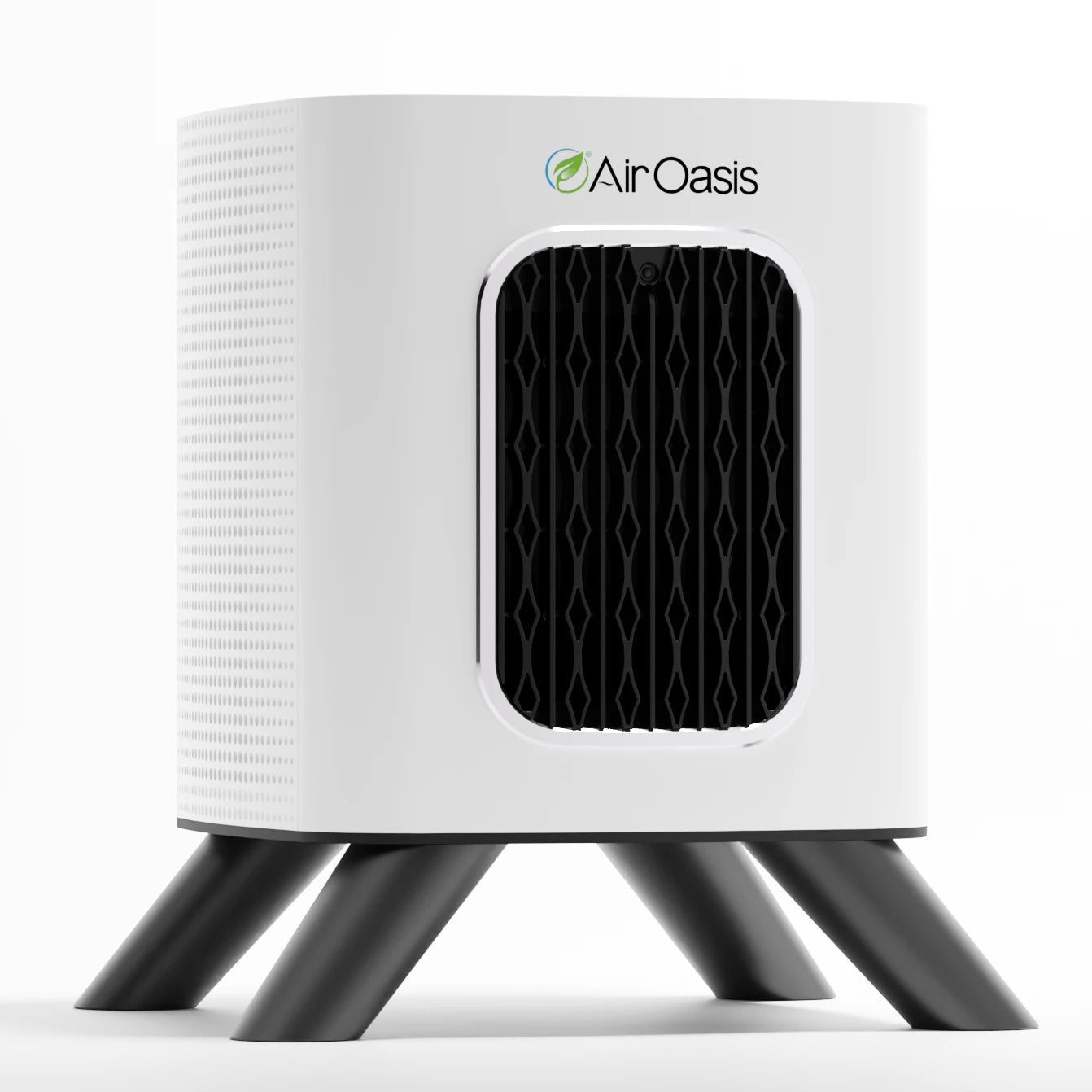
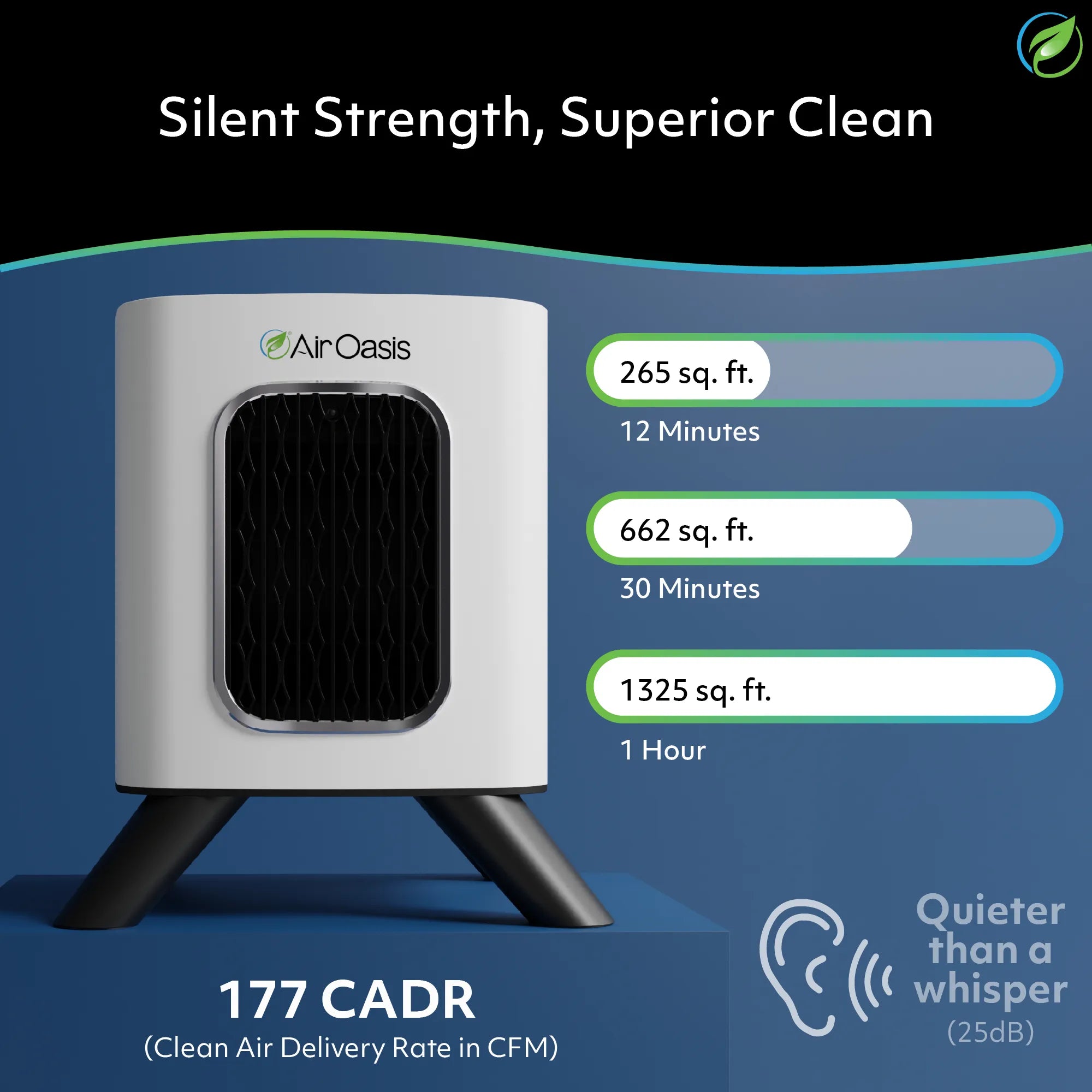
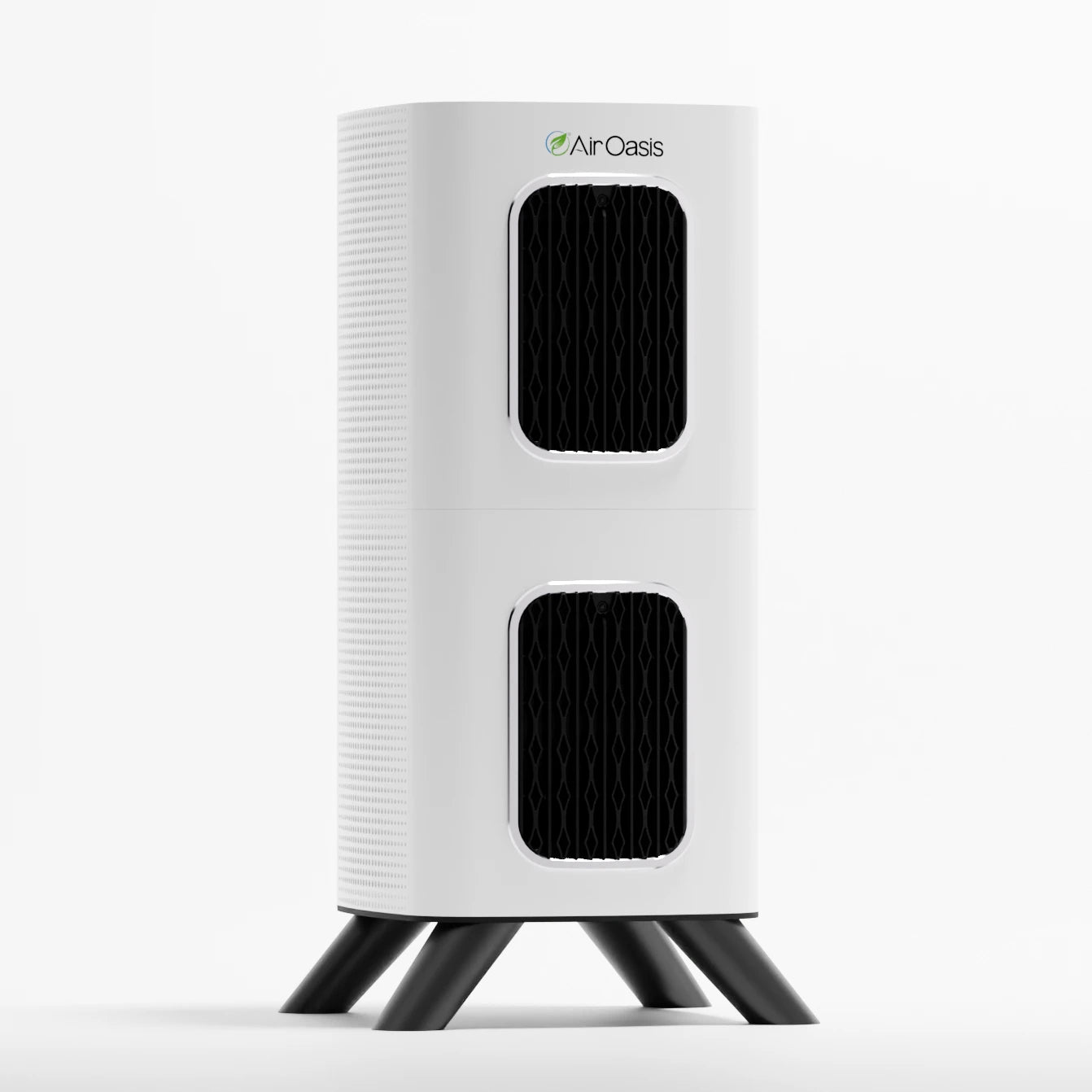
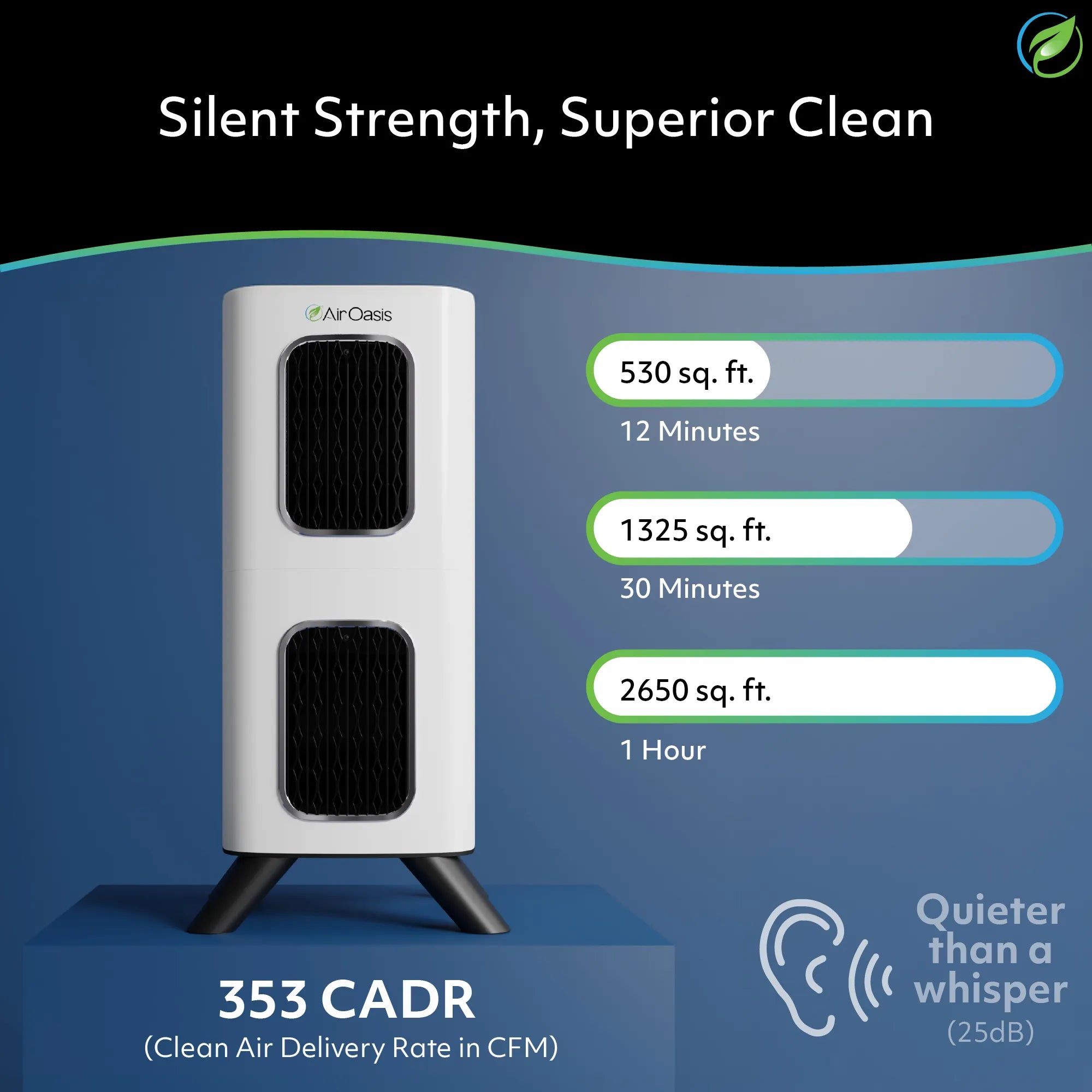
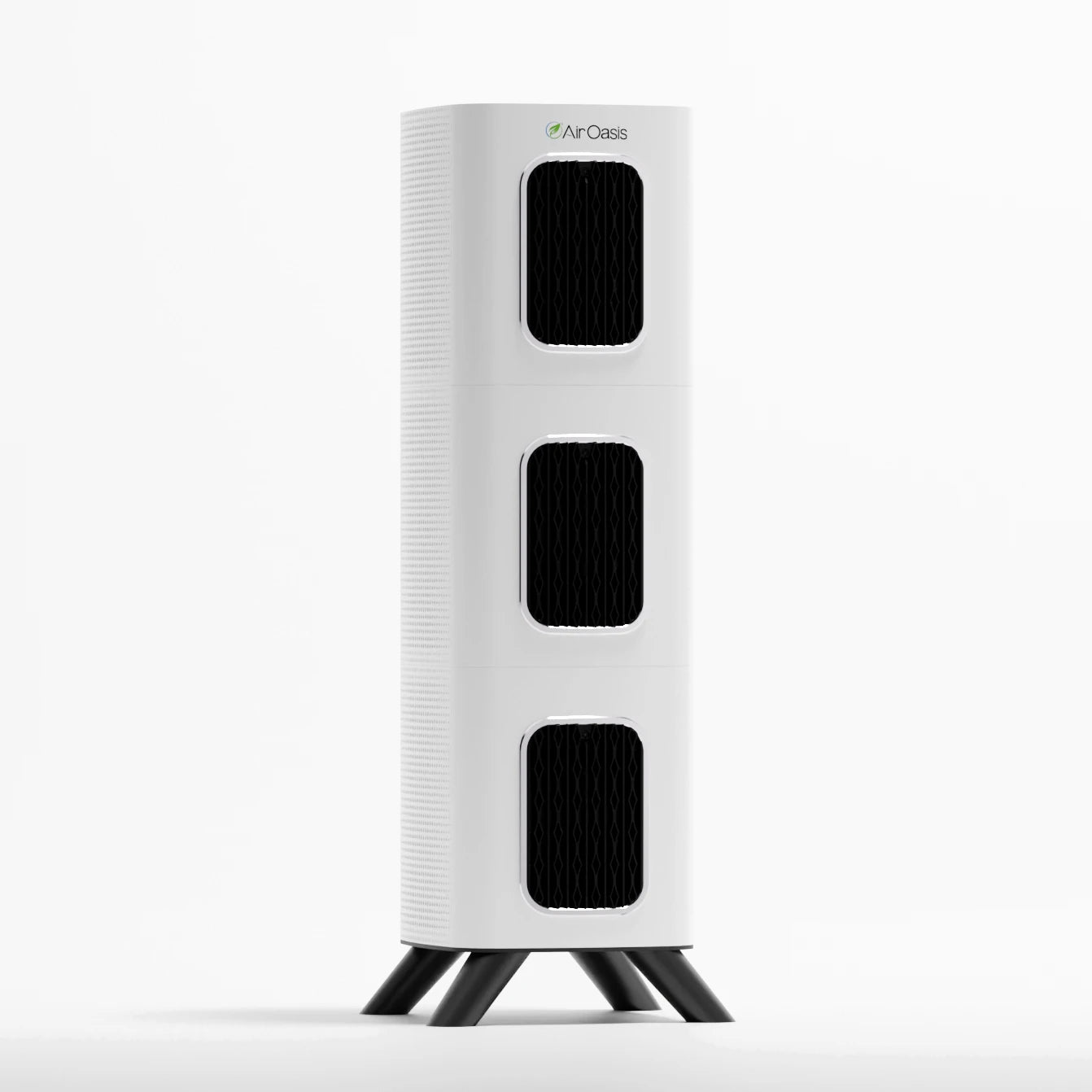
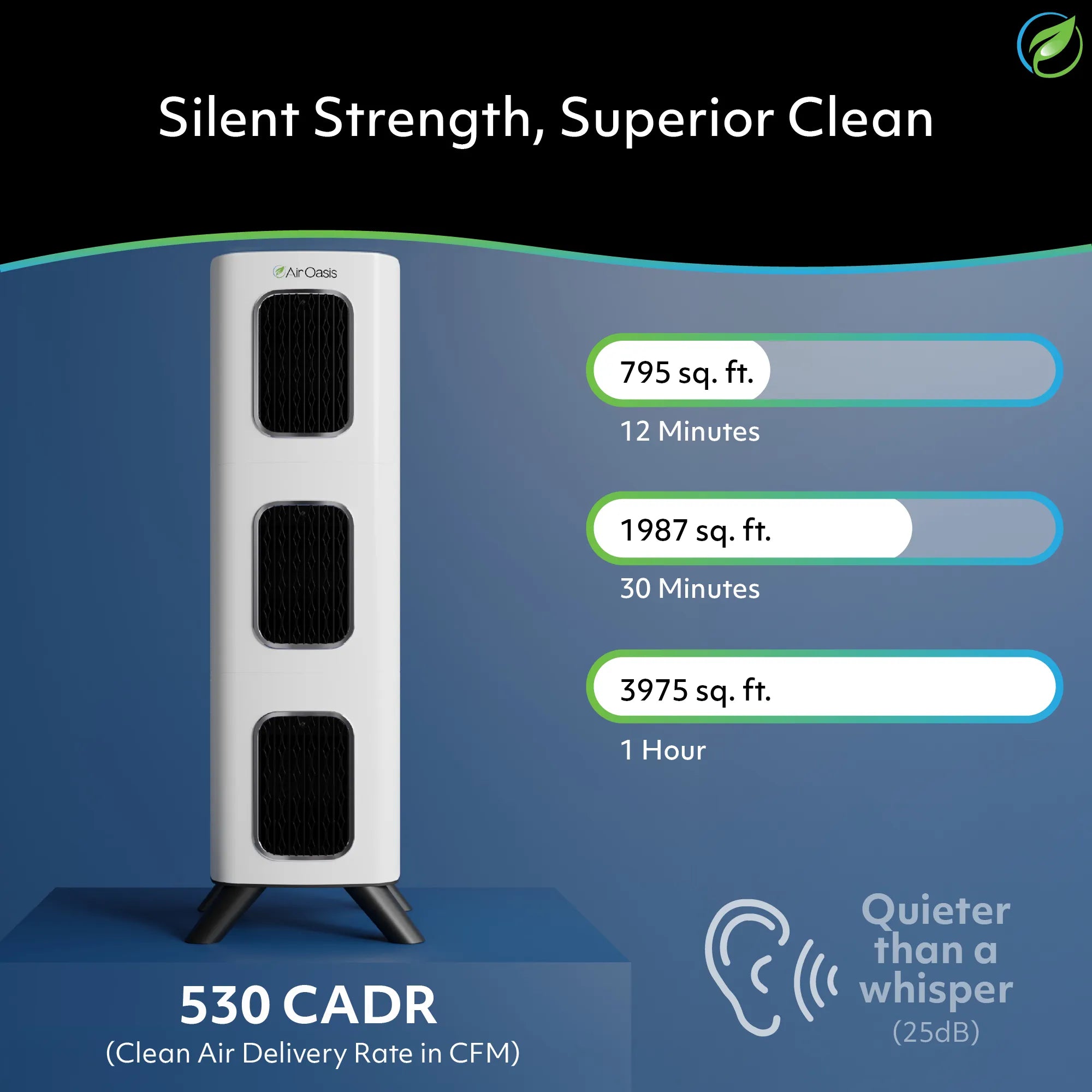
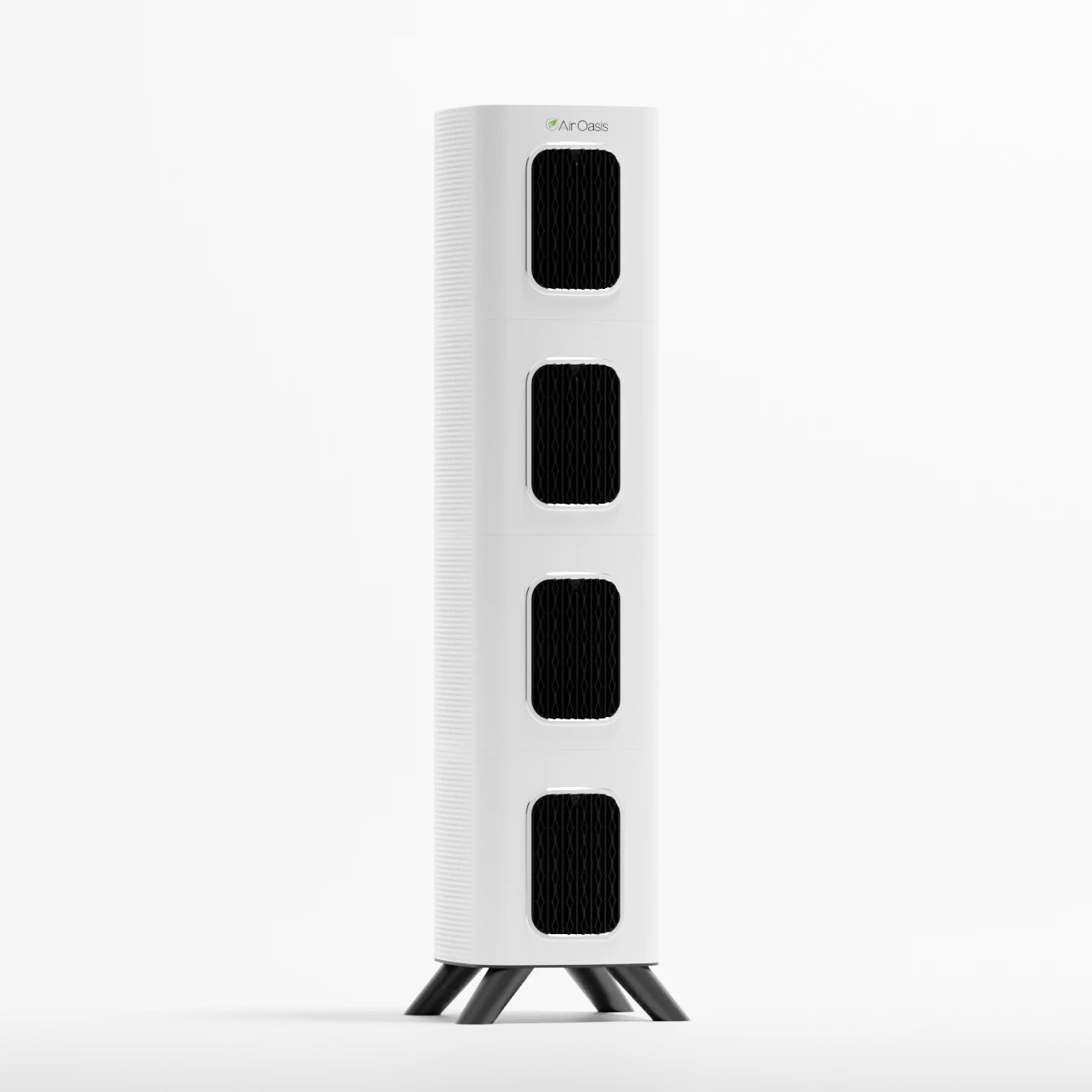
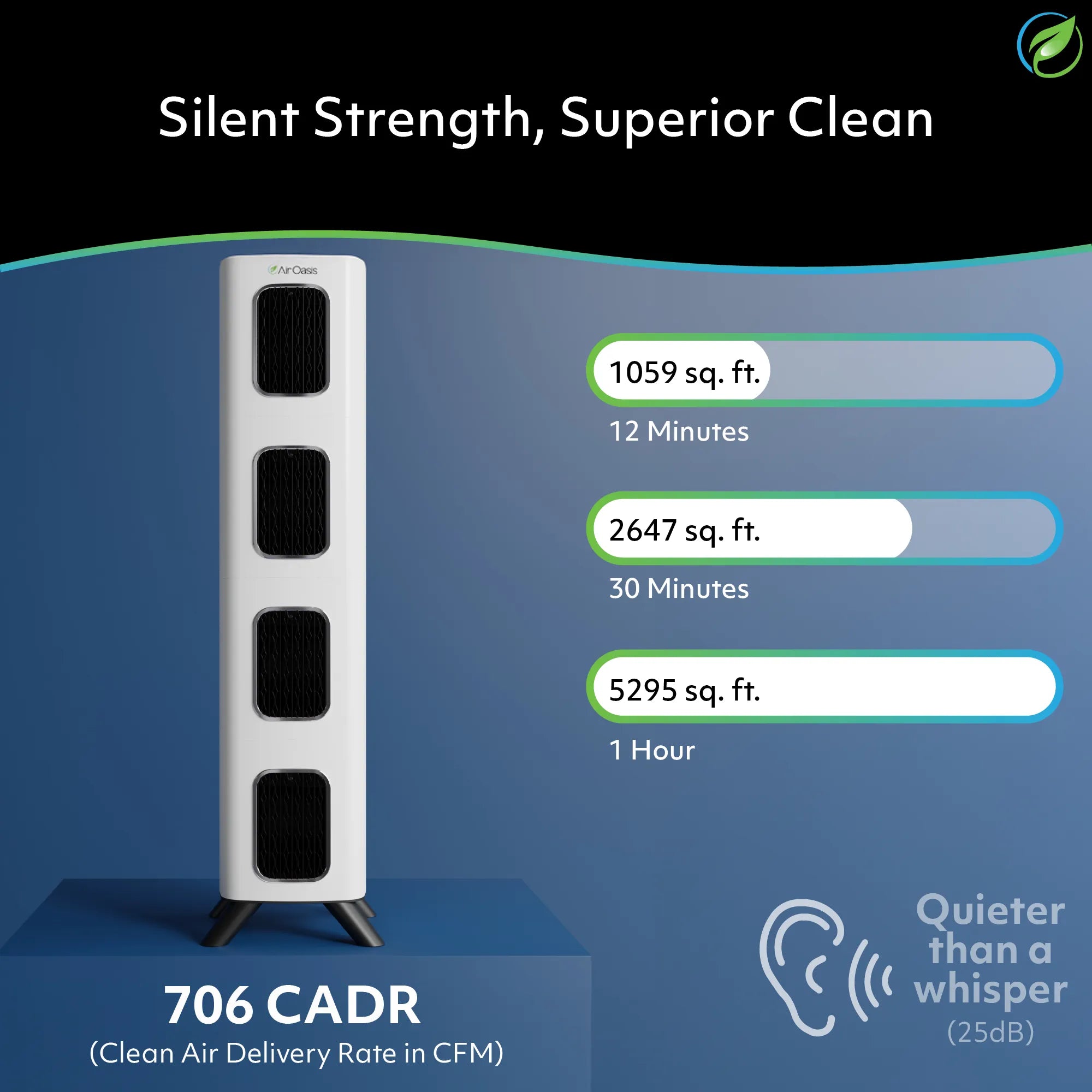
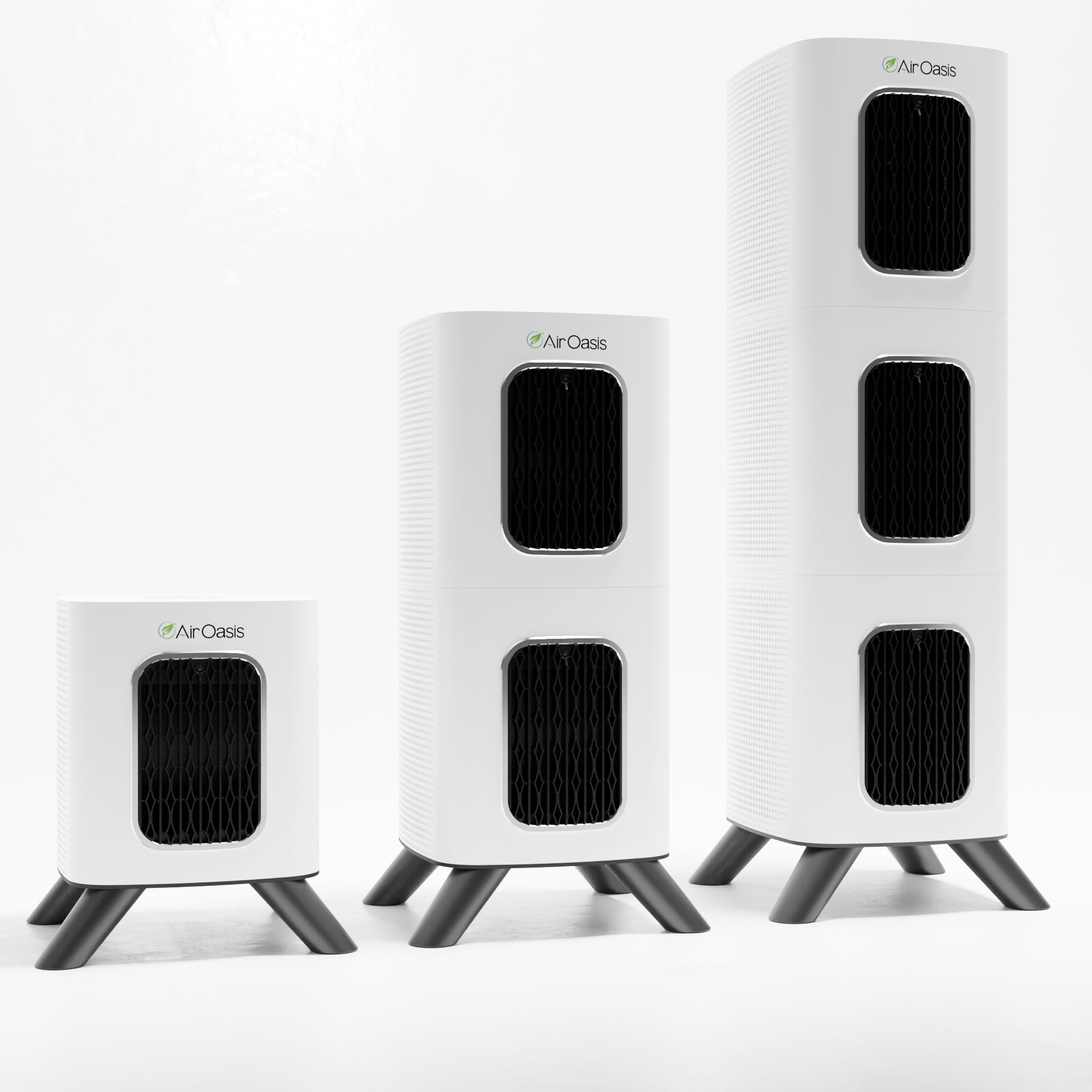
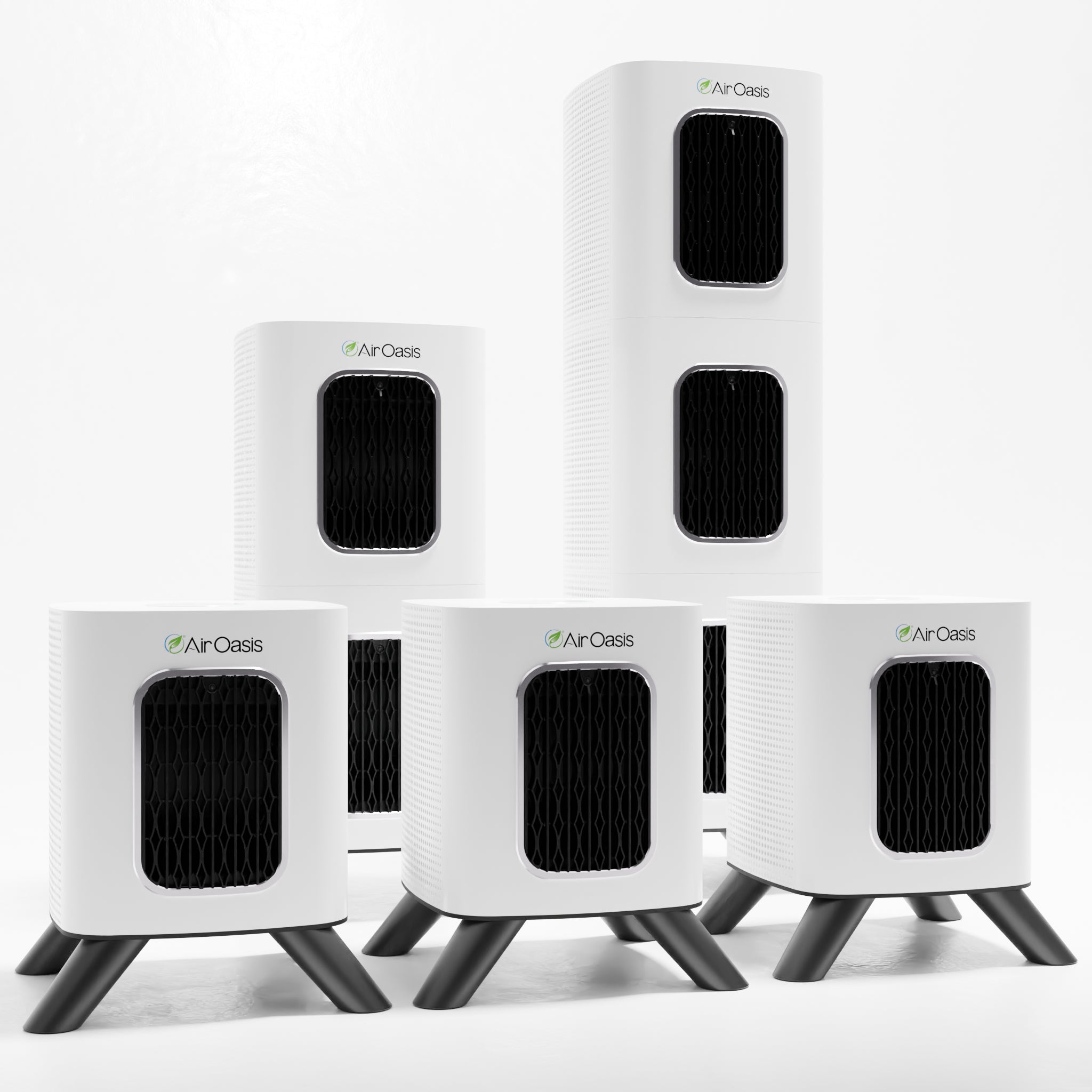
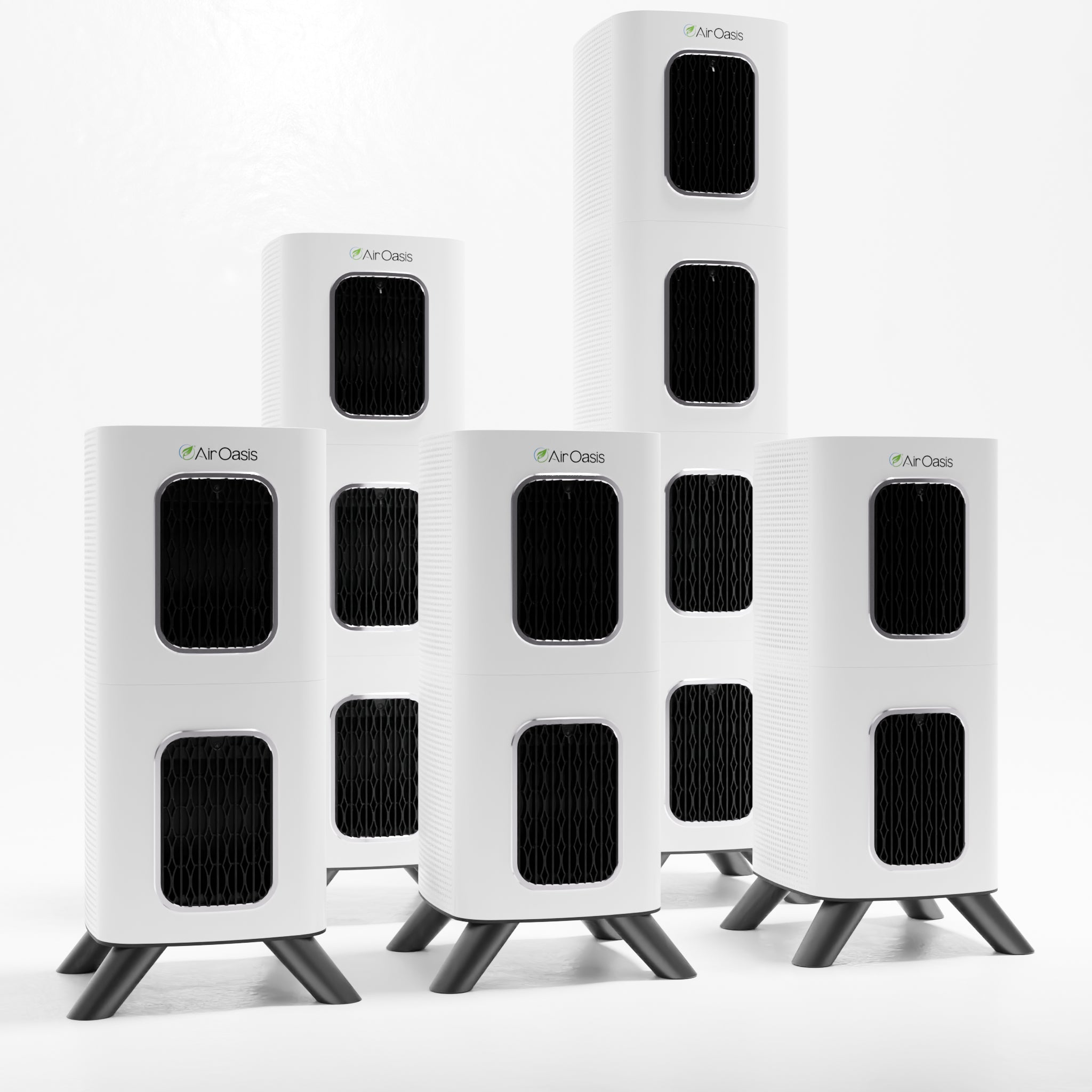
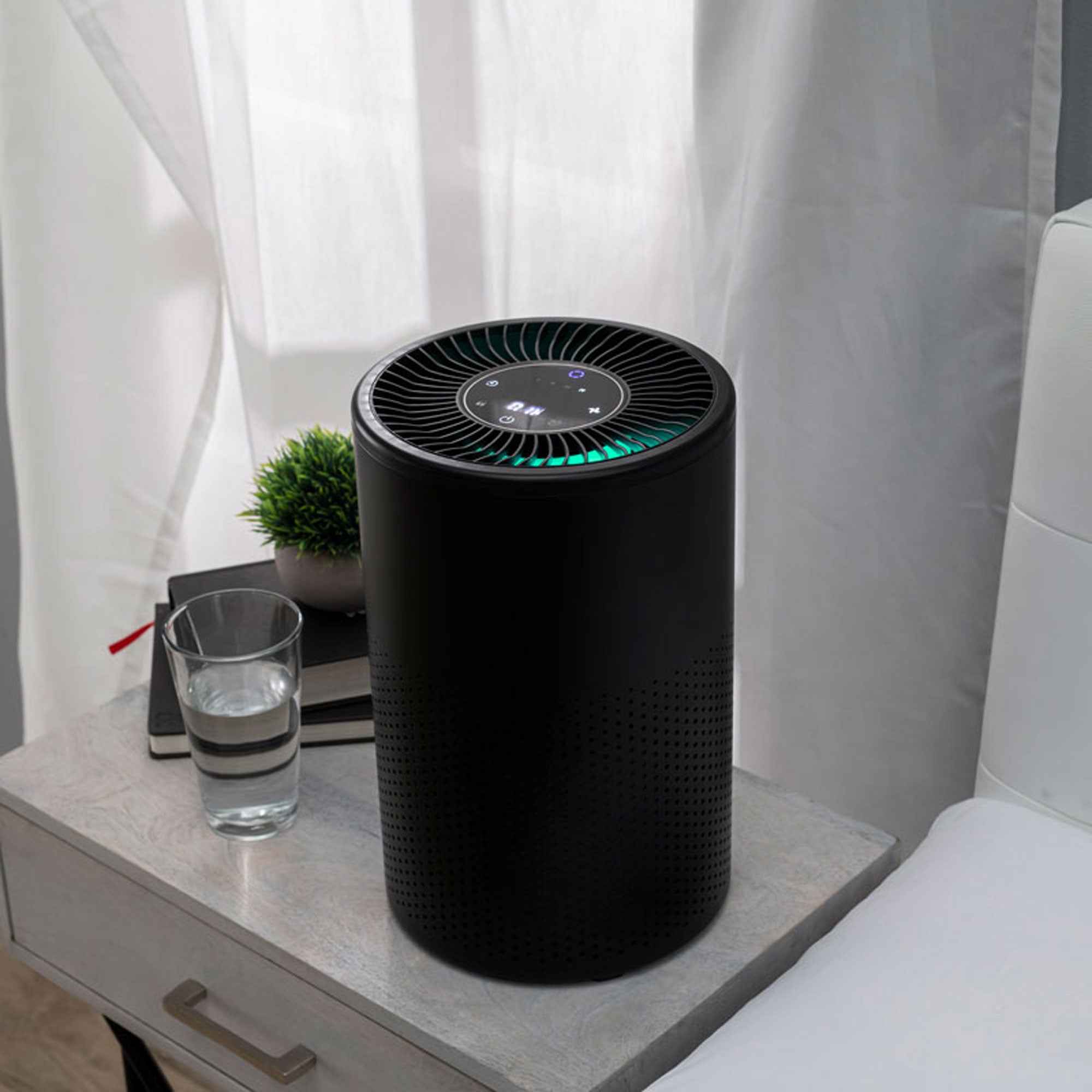
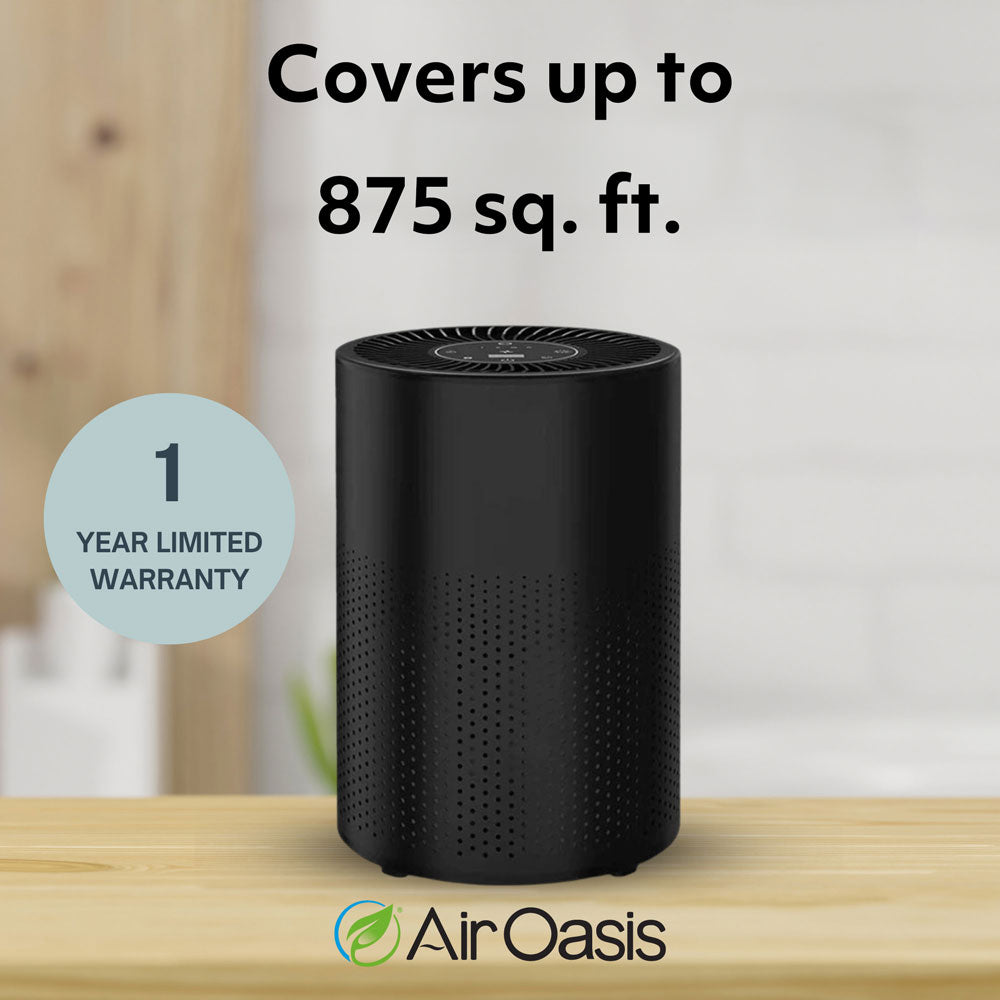
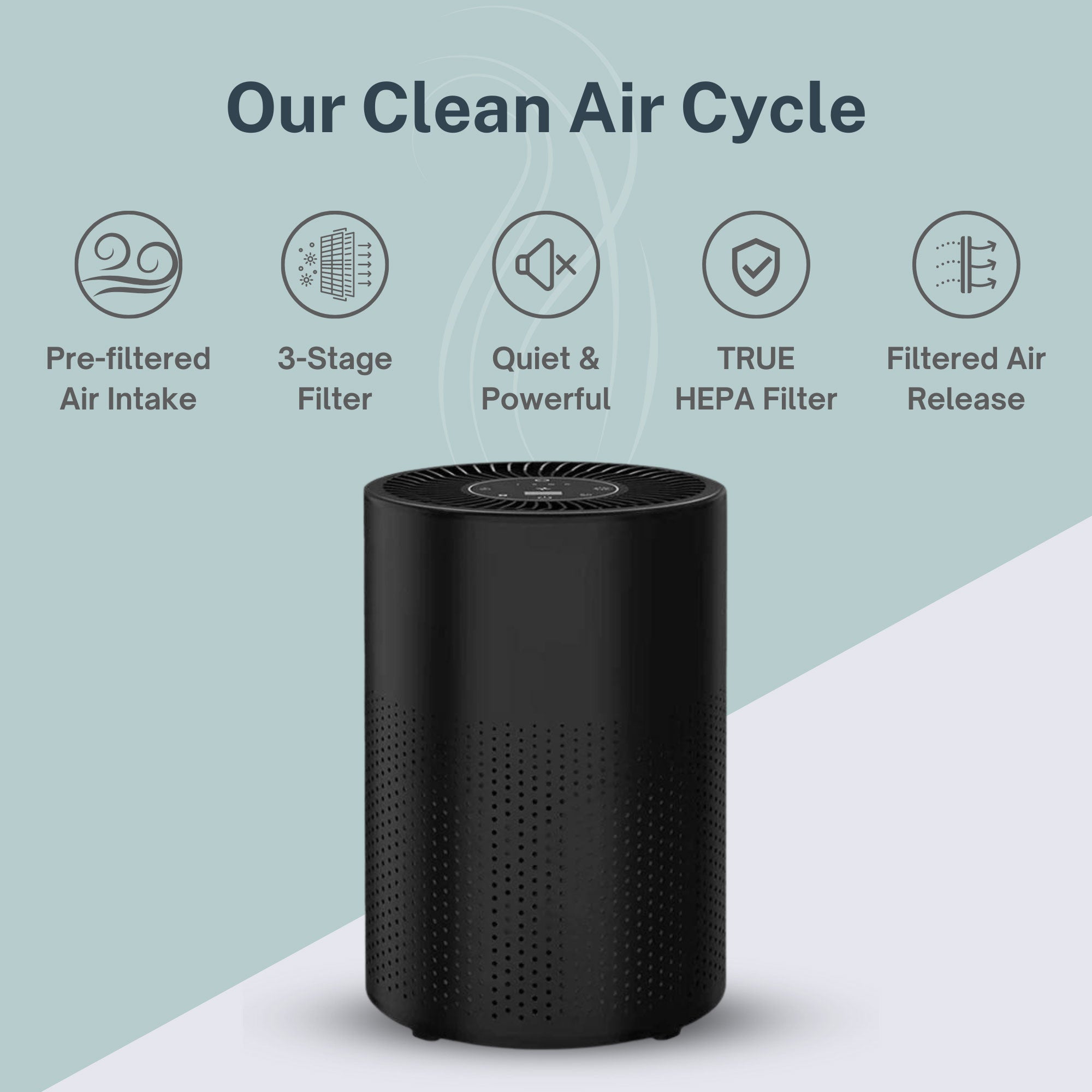
The iAdaptAir by Air Oasis runs continuously and quietly, cycling bedroom air through True HEPA filtration for particles, activated carbon for VOCs and odors, UV-C light, and bipolar ionization. It's CARB-certified ozone-free, safe for continuous overnight use in a sealed sleeping environment. The 2S covers up to 265 square feet for a standard bedroom; the 2M covers up to 530 square feet for a larger primary bedroom. Four inches of clearance on all sides, door closed during operation, and consistent overnight running are the conditions for it to do what the research supports.
Protect the air you breathe every night
Optimizing your sleep environment usually means thinking about light, temperature, and noise. The research on bedroom ventilation and next-day cognitive performance adds air quality to that list, and there's now a controlled study to back it up. Start with ventilation where you can. Add filtration for what ventilation brings in and what the room itself produces overnight. Shop Air Oasis and build a bedroom that actually sets you up for a clear, sharp next day. Breathe Better, Live Better.